
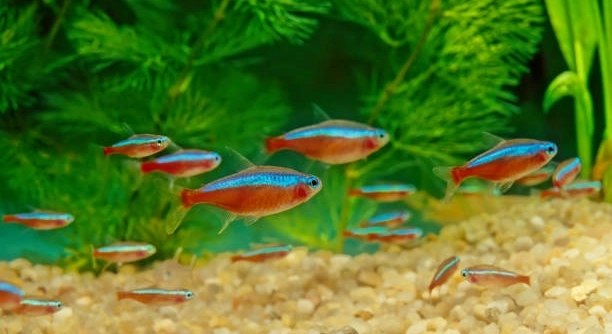
Are your tetras spending most of their time in one spot instead of swimming around? It can be concerning to see them inactive, especially when you expect lively movement. This behavior may indicate something important about their environment or health.
Tetras staying in one spot all day is often a response to stress, poor water quality, illness, or improper tank conditions. They may conserve energy when uncomfortable, and monitoring these factors is essential to address the underlying cause and improve their well-being.
Understanding why your tetras behave this way can help you provide a healthier, more comfortable home for them. This article will explore common reasons and practical solutions to keep your fish active and happy.
Common Causes for Tetras Staying Still
Tetras often stay in one spot due to stress or discomfort. Poor water quality is a frequent reason. High ammonia, nitrite, or nitrate levels can make fish sluggish. Sudden changes in water temperature or pH may also cause them to hide or remain inactive. Illness is another factor. Parasites, bacterial infections, or swim bladder problems can limit movement. Inadequate tank size or overcrowding can make tetras feel unsafe, leading them to stay still. Lack of hiding spots or plants may also increase their stress levels. Observing the tank’s environment and water parameters is key to understanding their behavior. Sometimes, tetras rest more during the day as part of their natural rhythm, but prolonged inactivity is a warning sign. Regular tank maintenance and monitoring can prevent most of these issues and keep your fish comfortable and healthy.
Water quality problems are the most common reasons for inactivity.
Addressing these causes requires careful observation and routine care. Testing water regularly helps catch imbalances early. Adjusting the temperature and pH to species-specific levels improves comfort. Providing plants or decorations gives fish places to hide and feel safe. If illness is suspected, isolating affected fish and consulting treatment options is necessary. Avoid overcrowding by maintaining appropriate fish numbers for tank size. Sometimes simply improving diet and reducing stress through gentle handling can revive activity. Creating a stable and suitable environment encourages tetras to swim and explore, returning their natural energy and behavior.
Signs Your Tetra Is Unwell
Tetras that stay still may show other signs of illness or distress. Look for clamped fins, faded color, or unusual spots. Rapid breathing or gasping near the surface can also indicate problems.
Illness often causes inactivity but may come with other behaviors. A swim bladder disorder can make a tetra float oddly or sink to the bottom. Parasites or infections may cause scratching against objects or loss of appetite. Observing feeding habits helps identify health issues. If your tetra ignores food or spits it out, illness is likely. Stress from poor water conditions may cause trembling or hiding. Timely intervention can prevent worsening conditions. Keep a close eye on these signs and act quickly to protect your fish’s health.
How to Improve Water Quality
Keeping water clean is essential for active and healthy tetras. Regular water changes remove harmful toxins and maintain stable conditions. Using a good filtration system helps clear waste and keeps water clear. Test the water weekly for ammonia, nitrites, and nitrates to ensure safe levels.
A well-maintained tank supports your tetras’ health by preventing buildup of toxic substances. Ammonia and nitrites should always be at zero, while nitrates should remain below 20 ppm. Partial water changes of about 20-30% weekly help keep these levels in check. Avoid overfeeding, as leftover food increases waste and pollution. Cleaning gravel and decorations regularly removes excess debris. The right filter size and type also play a role in maintaining water clarity and chemical balance. Consistent care keeps the environment stable and reduces stress for your fish.
Adding live plants can further improve water quality and comfort for tetras. Plants absorb nitrates and provide natural hiding places. They also help oxygenate the water, benefiting your fish’s respiration. Choose hardy plants like Java fern or Anubias that thrive in similar water conditions. Healthy plants create a balanced ecosystem and reduce algae growth. This natural support encourages your tetras to explore and swim freely rather than stay still.
Feeding Tips for Active Tetras
Feeding quality food in proper amounts encourages activity and good health. Tetras need a varied diet including flakes, pellets, and occasional live or frozen foods.
Overfeeding can cause poor water quality and stress your fish. Feed small amounts once or twice daily, only what they can eat in a few minutes. Remove uneaten food promptly to avoid decay. Offering live or frozen foods like brine shrimp or daphnia provides extra nutrition and stimulates natural hunting behaviors. A balanced diet supports energy levels and overall well-being, making tetras more active and lively. Proper feeding habits are key to preventing inactivity caused by poor nutrition or tank conditions.
Tank Environment Adjustments
Providing enough space and hiding spots helps tetras feel secure and active. Avoid overcrowding to reduce stress.
Decorate with plants, rocks, and caves for natural shelter. These additions encourage exploration and reduce fear, promoting movement throughout the tank.
Monitoring Temperature and pH
Stable temperature and pH levels are crucial for tetra health. Most tetras thrive between 72–80°F and pH 6.5–7.5. Sudden changes can cause stress and inactivity. Use a reliable heater and test kits to maintain consistent conditions. Stability helps fish stay energetic and comfortable.
Signs of Stress in Tetras
Stress often causes lethargy and hiding. Look for rapid gill movement, clamped fins, or erratic swimming.
Addressing stress early prevents illness and encourages natural behavior in your fish.
FAQ
Why is my tetra staying in one spot but still eating?
Sometimes tetras may stay still while eating if they are conserving energy or feeling slightly stressed. Eating is a basic survival instinct, so even tired or uncomfortable fish often continue to feed. However, prolonged inactivity with normal eating can still indicate mild stress or suboptimal tank conditions. Keep monitoring water quality and tank setup to ensure everything supports their health.
Can water temperature make my tetra inactive?
Yes, temperature greatly affects tetra activity. If the water is too cold, their metabolism slows, causing lethargy. If it’s too warm, stress can increase, also leading to less movement. Keeping the temperature stable within their ideal range (72–80°F) helps maintain normal swimming behavior and energy levels.
Is it normal for tetras to rest at the bottom?
Tetras sometimes rest near the bottom, especially during nighttime or quiet periods. This can be normal behavior. However, if they stay at the bottom for long periods during the day and show other signs like difficulty swimming or loss of appetite, it may signal illness or stress.
How often should I change the water to keep tetras active?
Regular partial water changes are essential for healthy tetras. Changing about 20-30% of the water weekly helps remove toxins and keeps the environment stable. Avoid complete water changes as they can shock the fish. Consistent maintenance promotes active and stress-free behavior.
Could my tetra’s inactivity be caused by tank mates?
Yes, aggressive or territorial tank mates can stress tetras and cause them to stay still or hide. Make sure your tetras share their tank with peaceful species that won’t chase or bully them. Creating a calm community tank encourages natural swimming and social behavior.
What signs indicate my tetra is sick?
Inactivity combined with faded colors, clamped fins, rapid breathing, or white spots suggests illness. Loss of appetite or erratic swimming are also warning signs. Quarantine sick fish and seek treatment promptly to prevent the spread of disease and improve recovery chances.
Does the size of the tank affect tetra behavior?
A tank that is too small limits swimming space and increases stress, causing tetras to stay inactive. Tetras are active fish that need room to move. A minimum of 10 gallons for a small group is recommended. Larger tanks provide better water quality and allow natural behavior.
Can diet affect my tetra’s activity level?
Yes, poor nutrition can cause lethargy. A balanced diet with high-quality flakes, pellets, and occasional live or frozen food supports energy and health. Overfeeding leads to poor water quality and stress, which also reduces activity. Feeding small, frequent meals maintains vitality.
How do I know if water parameters are safe for my tetras?
Safe water parameters include ammonia and nitrite at 0 ppm, nitrate below 20 ppm, pH between 6.5 and 7.5, and stable temperature from 72–80°F. Regular testing with aquarium kits helps track these levels. Unstable or unsafe water conditions cause stress and inactivity.
Can lighting affect my tetra’s movement?
Tetras prefer moderate lighting with natural day and night cycles. Too bright light can stress them and cause hiding or stillness, while too little light may disrupt their normal activity rhythm. Using adjustable or indirect lighting helps maintain their natural behavior patterns.
What should I do if my tetra refuses to swim after all checks?
If inactivity continues despite good water quality, proper diet, and tank conditions, consult an aquatic veterinarian or experienced aquarist. Health issues like swim bladder disorder or infections may require treatment. Early diagnosis improves chances of recovery and return to normal activity.
Is it harmful if tetras stay still for a day or two?
Occasional rest or stillness is not harmful and can be part of their natural behavior. However, if tetras stay motionless for several days, it may indicate underlying problems. Monitoring closely during this time helps determine if intervention is needed to protect their health.
Final Thoughts
Tetras staying in one spot all day is a common concern for many fish owners. This behavior often points to stress, poor water conditions, or health problems that need attention. Understanding the reasons behind inactivity is important for maintaining a healthy aquarium environment. Regular care, including water testing, proper feeding, and tank maintenance, plays a key role in keeping tetras active and comfortable.
Creating a stable and suitable habitat for your tetras can prevent many issues that cause them to stay still. Monitoring water parameters such as temperature, pH, and toxin levels ensures their environment supports their natural behavior. Providing enough space, hiding spots, and compatible tank mates also reduces stress, encouraging your fish to swim freely. Paying attention to signs of illness early can make a big difference in their recovery and overall well-being.
Taking simple, consistent steps in caring for your tetras will help them regain their usual lively nature. Sometimes small changes like adjusting feeding routines or improving water quality can lead to noticeable improvements. Being observant and proactive about their health shows you care and helps your tetras thrive in their aquatic home. With patience and proper care, your tetras can return to their active, vibrant selves.

Hello,
If you enjoy the content that we create, please consider saying a "Thank You!" by leaving a tip.
Every little bit helps us continue crafting quality advice that supports the health, happiness, and well-being of pets around the world, for pets of all shapes, sizes, and species.
We really appreciate the kindness and support that you show us!