
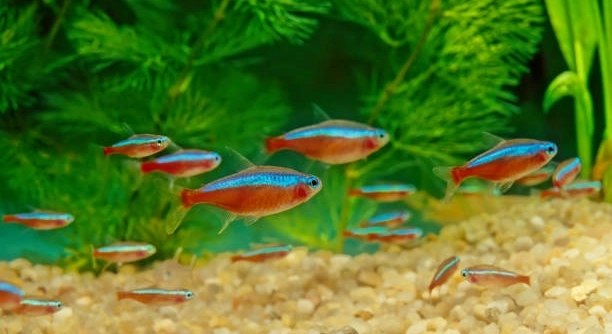
Are your tetras spending most of their time hiding in the shadows and avoiding the light in your aquarium? This behavior can be surprising for many fish owners, especially when the tank lighting seems appropriate. Understanding why this happens can improve your fish’s comfort and health.
Tetras avoid bright light primarily due to stress or discomfort caused by excessive illumination or sudden changes in their environment. Low light mimics their natural habitat and helps reduce stress, encouraging calmer and healthier behavior in captivity.
Learning about light preferences and environmental factors will help you create a more comfortable home for your tetras and promote their well-being in your aquarium.
Understanding Tetra Behavior in Light Conditions
Tetras are naturally adapted to environments with dim lighting, such as shaded streams and densely planted waters. Bright or direct light can overwhelm them, causing stress and hiding behavior. When you notice your tetras avoiding the light, it often means they are seeking comfort and safety. Sudden changes in light intensity or duration can disrupt their routine, making them uncomfortable. Additionally, bright lights can expose them to potential threats in their perception, triggering their instinct to hide. Adjusting light levels gradually and providing shaded areas in the tank helps tetras feel secure. Including plants or decorations that offer cover can encourage natural behavior and reduce stress. Ensuring the lighting schedule mimics their natural environment, such as gradual sunrise and sunset effects, supports their well-being. Paying attention to these factors can improve how your tetras interact with their tank and display healthier activity.
Lower light intensity and gradual changes improve tetras’ comfort, helping reduce stress and hiding tendencies.
Creating a tank environment with varied lighting and shaded spaces allows tetras to regulate their exposure to light. This setup promotes a sense of security and supports natural movement patterns. Over time, tetras will feel less threatened and more active, enhancing their overall health and your enjoyment as an observer.
Adjusting Aquarium Lighting for Tetras
Tetras respond best to subdued, indirect lighting that mimics their natural habitats.
Using dimmable LED lights or placing the tank away from direct sunlight can help maintain proper light levels. Adjusting light duration to about 8-10 hours daily is ideal. Avoid sudden bright flashes or prolonged exposure to intense light, which can stress your fish. Adding floating plants or décor provides natural shading and reduces glare, making the environment more comfortable. Monitoring your tetras’ behavior after adjustments helps determine if further changes are needed. Proper lighting is essential not only for your fish’s comfort but also for maintaining the aquarium’s ecosystem, including plant growth. Balancing these needs ensures a healthy, thriving environment for your tetras. Consistent lighting routines also establish a stable rhythm, promoting their natural activity patterns and reducing hiding behavior.
Common Environmental Stressors
Stress is a major factor causing tetras to avoid light. Sudden changes in water temperature, poor water quality, or overcrowding can increase their anxiety. These conditions make tetras seek shelter away from bright areas where they feel more vulnerable.
When tetras experience stress, their immune systems weaken, making them more susceptible to illness. High ammonia or nitrate levels, inconsistent temperature, and insufficient filtration contribute to discomfort. Overcrowding reduces personal space, causing territorial disputes and hiding behavior. Stress makes tetras more likely to hide in shaded areas or behind decorations to feel secure. Monitoring water parameters regularly and maintaining stable tank conditions helps minimize stress, improving your tetras’ willingness to explore well-lit areas. A calm, balanced environment supports their natural behavior and reduces their avoidance of light.
Introducing plants and decorations that simulate natural hiding spots can alleviate stress. This lets tetras retreat without completely hiding, promoting a healthy balance between light exposure and shelter.
Light Sensitivity in Different Tetra Species
Different tetra species have varying tolerance for light intensity. Some, like neon tetras, prefer very dim environments, while others handle moderate lighting better.
Neon tetras’ bright coloration can be stressed by strong light, leading them to seek darker places. Black skirt tetras tolerate more light but still need shaded spots. Understanding the specific needs of your tetra species helps create an ideal environment. Adjusting the light intensity and providing natural cover allows each species to thrive without stress. Tailoring lighting setups to species preferences reduces hiding and encourages active swimming. This attention to detail ensures that your tetras remain healthy and visible in the tank, improving their overall well-being. Always research the particular species you keep to provide the best lighting conditions for their comfort and health.
Tank Setup and Lighting Placement
Proper tank setup affects how light reaches your tetras. Positioning the light source carefully can prevent overly bright spots. Using adjustable lighting helps create comfortable gradients.
Avoid placing lights directly above open swimming areas. Instead, focus on creating shaded zones with plants or decorations. This helps tetras move freely between light and dark areas.
Impact of Aquarium Plants
Live plants provide natural shade and reduce light intensity in the tank. They also improve water quality and offer hiding spots.
Plants like Java fern and Anubias grow well in low light and create comfortable environments for tetras. Including these plants helps reduce stress and encourages more natural behavior.
Monitoring Light Duration
Limiting the daily light exposure to 8–10 hours prevents overstimulation. Excessive light can disturb the tetras’ natural rhythm.
Using a timer for lighting maintains consistency. This stability supports healthy activity cycles and reduces hiding behavior in your fish.
FAQ
Why are my tetras hiding all the time?
Tetras often hide because they feel stressed or unsafe. Common causes include poor water quality, sudden changes in environment, overcrowding, or too much light. Providing plants, decorations, and stable tank conditions helps them feel secure and encourages more activity in visible areas.
How can I reduce light stress for my tetras?
Lower the light intensity or shorten the daily lighting period to about 8–10 hours. Use floating plants or decorations to create shaded areas. Avoid sudden changes in lighting and position lights away from direct exposure to open spaces where tetras swim.
Can bright light harm my tetras?
Yes, bright light can cause stress by overwhelming their natural instincts to seek cover. This stress can weaken their immune system and lead to illness. Keeping light levels moderate and providing shaded spots is important for their health.
Do different tetra species have different light needs?
Yes, neon tetras prefer dimmer environments, while black skirt tetras tolerate moderate light. Researching your specific species helps tailor lighting to their comfort and reduces hiding behavior.
Is it normal for tetras to avoid light during the day?
It is normal if the tank lighting is too strong or if the environment lacks hiding places. Tetras naturally avoid bright light, especially during peak daylight hours. Adjusting lighting and adding cover can balance this behavior.
How does tank setup affect tetra lighting preferences?
A tank with plenty of plants and decorations offers natural shade and reduces light exposure. Placing lights thoughtfully to avoid direct bright spots helps tetras feel more comfortable and active.
Can poor water quality cause tetras to hide?
Yes, poor water quality increases stress and illness risk, causing tetras to hide more. Regular testing and maintenance, such as water changes and proper filtration, improve conditions and encourage natural behavior.
What is the best lighting schedule for tetras?
An 8 to 10-hour light cycle simulates natural day length and prevents overstimulation. Using a timer ensures consistent lighting, supporting healthy fish activity and reducing stress-related hiding.
Will tetras become more active if lighting is adjusted?
Yes, reducing light intensity and providing shaded areas makes tetras feel safer and more willing to swim openly. Proper lighting encourages natural behaviors and interaction within the tank.
Are plants necessary for controlling light in a tetra tank?
While not mandatory, plants greatly improve comfort by providing shade and hiding spots. They also enhance water quality and create a more natural environment, which benefits the overall health of your tetras.
How quickly can tetras adapt to new lighting conditions?
Adaptation time varies but usually takes several days to a week. Gradually adjusting lighting levels and providing adequate shelter helps them adjust without added stress.
What signs indicate lighting is too strong for tetras?
Signs include constant hiding, frantic swimming, faded coloration, and increased aggression. If these appear, lower the light intensity or add more shaded areas to relieve stress.
Can artificial light mimic natural conditions for tetras?
Yes, using adjustable LED lights and timers can simulate gradual sunrise and sunset, helping tetras maintain natural rhythms. This approach reduces stress and improves their overall well-being.
Is it better to have constant low light or a light-dark cycle?
A regular light-dark cycle is better, as it matches their natural environment and biological rhythms. Constant low light can confuse tetras and disrupt their behavior patterns.
How important is the light placement in the aquarium?
Light placement matters because direct, intense light over open swimming areas stresses tetras. Placing lights to create gradients with shaded zones helps them regulate exposure and feel secure.
Does light intensity affect plant growth and fish health equally?
Balancing light for both is essential. High light benefits plants but can stress fish if too bright. Using moderate light levels with shaded spots supports both plant growth and tetra comfort.
Can sudden changes in lighting cause long-term stress?
Yes, sudden shifts can lead to chronic stress, affecting health and behavior. Gradual adjustments and consistent lighting schedules help prevent these issues.
Are there specific light colors better suited for tetras?
Soft, natural white or slightly blue-tinted lights are usually best. Harsh or overly bright colors can stress tetras and alter their behavior.
How do I know if my tetras are stressed from lighting?
Look for signs like hiding, clamped fins, erratic swimming, or loss of appetite. These behaviors often signal stress linked to environmental factors, including lighting.
Can adding decorations improve light avoidance behavior?
Yes, decorations provide cover and reduce light intensity in certain areas, helping tetras feel safer and less likely to hide constantly.
Should I change the lighting if tetras are hiding after a tank move?
Yes, moving tanks can disturb their sense of security. Adjusting lighting to more subdued levels and adding hiding spots aids their adjustment to the new environment.
Is it safe to use dimmers or adjustable lights for tetras?
Dimmers and adjustable LEDs allow precise control of light intensity, making it easier to create comfortable environments. These tools support gradual changes and help reduce stress.
How often should I check lighting effects on my tetras?
Regular observation, especially after changes, is important. Weekly checks help identify stress signs early and allow timely adjustments to lighting or tank setup.
Can poor lighting affect tetra coloration?
Yes, too much or too little light can dull their colors. Proper lighting enhances their natural hues and supports healthy behavior.
Do tetras need darkness to rest?
Tetras require periods of darkness to rest and recover. Continuous light disrupts their sleep cycle and increases stress. Providing a consistent light-dark schedule is essential.
Can tank mates influence tetra light avoidance?
Aggressive or overly active tank mates can cause tetras to hide more, especially in brightly lit areas. Providing enough space and hiding spots reduces conflicts and light avoidance.
What role does water temperature play in light avoidance?
Improper temperature adds stress, causing tetras to hide. Stable, appropriate temperatures combined with balanced lighting promote comfort and natural behavior.
Are certain light brands or types better for tetra tanks?
LED lights with adjustable intensity and color temperature options work well. They offer control and efficiency while allowing customization for fish comfort.
Should I avoid direct sunlight on my tetra tank?
Direct sunlight can cause overheating and intense light exposure, both harmful to tetras. It also encourages algae growth. Position tanks away from windows or use curtains to control light.
Can tetras become more confident with consistent lighting?
Yes, predictable lighting routines create a secure environment. Over time, tetras become more active and visible as they grow accustomed to stable conditions.
Creating a comfortable environment for your tetras means paying close attention to their lighting needs. These small fish naturally prefer dimmer, shaded areas, so bright or harsh lighting can cause them to hide more often. By adjusting light intensity and providing places where they can retreat, you help reduce their stress and encourage more natural behavior. Simple changes like adding live plants or decorations not only offer shelter but also create a balanced tank atmosphere that supports the health of your fish. Understanding how light affects your tetras is an important part of caring for them properly.
Maintaining consistent lighting schedules is another key factor. Tetras thrive when they experience a regular day and night cycle that mimics their natural habitat. Using timers to control light duration prevents overstimulation and helps keep their internal rhythms steady. Sudden changes or too much light can upset this balance, making tetras shy away from bright areas. It’s also helpful to choose lighting that is adjustable so you can find the right level for your particular tank setup and species. Taking these steps shows respect for your fish’s natural preferences and contributes to a healthier aquarium environment.
Overall, small adjustments in lighting and tank setup can make a big difference in your tetras’ comfort and behavior. Avoiding bright, direct light and offering plenty of shaded spaces encourages your fish to be more active and visible. Regular monitoring and gentle changes help your tetras adapt smoothly without added stress. By focusing on their specific needs, you create a space where they can thrive, allowing you to enjoy their colors and movement without worry. Proper lighting is a simple yet effective way to improve your aquarium’s atmosphere and your tetras’ well-being.

Hello,
If you enjoy the content that we create, please consider saying a "Thank You!" by leaving a tip.
Every little bit helps us continue crafting quality advice that supports the health, happiness, and well-being of pets around the world, for pets of all shapes, sizes, and species.
We really appreciate the kindness and support that you show us!