
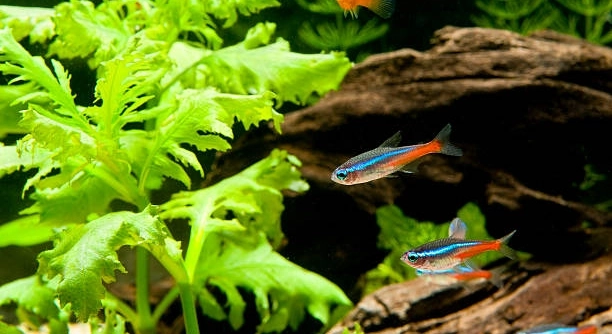
Small tetra tanks are popular for their compact size and bright colors. Many people enjoy keeping tetras in these tanks because they fit well in small spaces. However, there are some hidden problems that can affect the fish and the tank’s environment.
Small tetra tanks often struggle with water quality issues, limited swimming space, and unstable temperatures. These factors can stress the fish, reduce their lifespan, and make tank maintenance more difficult. Understanding these problems is key to better care.
Knowing these common problems will help you create a healthier home for your tetras. Small tanks can be charming but need extra attention to keep fish thriving and happy.
Limited Swimming Space
Small tetra tanks often do not provide enough room for tetras to swim freely. These fish are active swimmers that need space to move around comfortably. When the tank is too small, the fish may become stressed or restless. Limited space can also lead to aggressive behavior, as the fish compete for territory. It’s easy to overlook this when choosing a small tank, but it has a big impact on fish health. Ideally, tetras need at least 10 gallons to thrive. Smaller tanks can feel cramped and reduce their natural activity levels, which affects their well-being. The tank decorations and plants take up space too, so it’s important to factor that in when selecting a tank size. Keeping tetras in a cramped tank can cause long-term stress and make them more prone to illness.
Small tanks simply don’t offer the room tetras need to be active and healthy.
Providing enough swimming space reduces stress and helps your fish stay lively and strong.
Water Quality Fluctuations
Water quality in small tetra tanks can change rapidly. Due to the limited volume, toxins like ammonia and nitrites build up faster, even with regular maintenance. This creates a stressful environment for the fish and can lead to health problems such as fin rot or swim bladder issues. It’s essential to monitor water parameters closely and perform frequent water changes. Small tanks are less forgiving than larger ones because changes happen quickly. Additionally, uneven filtration or overfeeding can worsen water conditions. Proper filtration and feeding habits are crucial to maintaining stable water quality. Testing the water regularly helps catch problems before they become serious. Investing in a good water testing kit and following a strict maintenance schedule will greatly improve your tetra tank’s environment. A stable and clean tank supports healthier fish and fewer illnesses.
Temperature Instability
Small tetra tanks are more vulnerable to temperature swings.
Because of the limited water volume, even slight changes in room temperature can quickly affect the tank. This can stress the fish and weaken their immune systems. Maintaining a stable temperature requires careful monitoring and sometimes extra equipment like a heater or a thermostat. Sudden shifts in temperature can cause illness or reduce the fish’s lifespan.
It’s also important to place the tank away from windows, heaters, or air conditioners to avoid fluctuations. Consistent temperature control keeps tetras comfortable and healthy. Regular checks with a reliable thermometer are necessary to catch any changes early.
Overcrowding Effects
Overcrowding is a common issue in small tetra tanks. Many owners want to keep several fish for visual appeal, but this can cause poor water quality and aggressive behavior. Too many fish produce more waste, making it harder to maintain clean water. Overcrowding reduces oxygen levels and increases stress, which affects the fish’s health.
To avoid overcrowding, limit the number of tetras according to tank size, usually about one inch of fish per gallon. Providing enough space lowers competition and helps maintain stable water conditions. Choosing fewer fish means better care and a happier tank environment.
Limited Filtration Options
Small tanks often come with basic filtration systems that may not be enough for tetras.
Upgrading to a better filter or adding an additional filter can improve water quality and reduce maintenance frequency.
Algae Growth
Algae can quickly take over small tetra tanks if light and nutrients aren’t balanced. Too much light or overfeeding fuels algae growth, making the tank look dirty and harming water quality. Controlling light exposure and avoiding excess food helps keep algae under control.
Stress from Frequent Maintenance
Small tanks require frequent cleaning and water changes, which can stress fish.
Regular care is necessary but should be done gently to avoid disturbing the tetras too much.
What size tank is best for tetras?
The ideal tank size for tetras is at least 10 gallons. This size gives them enough space to swim and reduces stress. Smaller tanks can feel cramped and cause health issues. More space also makes it easier to maintain stable water quality and temperature.
How often should I clean a small tetra tank?
Cleaning a small tank should happen weekly or every two weeks. Frequent water changes are necessary because waste builds up faster in smaller volumes of water. Regular cleaning helps keep ammonia and nitrite levels low, preventing illness in your fish.
Can I keep other fish with tetras in a small tank?
It’s possible, but only if the tank is large enough and the fish are compatible. Small tanks limit space and resources, so overcrowding must be avoided. Choose peaceful fish that thrive in similar water conditions and avoid aggressive or larger species.
What causes cloudy water in small tetra tanks?
Cloudy water often results from bacterial blooms, overfeeding, or inadequate filtration. When there is too much organic waste, beneficial bacteria multiply rapidly, causing the water to look milky. Reducing feeding and improving filtration usually clears it up.
How do I control algae in a small tank?
Limit the amount of light the tank gets each day, ideally 6 to 8 hours. Avoid overfeeding since leftover food feeds algae. Regular water changes and adding live plants can help compete with algae for nutrients, keeping it under control.
Why are my tetras hiding all the time?
Fish hiding constantly can mean stress or poor water quality. Small tanks with fluctuating conditions or overcrowding cause anxiety in tetras. Check water parameters and tank size. Adding hiding spots like plants helps, but the main focus should be on improving tank conditions.
What is the best temperature for a tetra tank?
Tetras do well in water between 72°F and 80°F (22°C to 27°C). Keeping the temperature steady within this range supports their health and activity. Sudden changes or extremes can cause stress and illness.
How many tetras can I keep in a 5-gallon tank?
A 5-gallon tank is too small for more than one or two tetras. Overcrowding in such a small space leads to poor water quality and stress. It’s better to choose a larger tank or fewer fish to ensure their well-being.
Why does my small tetra tank smell bad?
A bad smell usually means waste is accumulating or water changes are overdue. In small tanks, ammonia and other toxins build up quickly. Frequent water changes and proper filtration prevent unpleasant odors.
Is it okay to use tap water for a tetra tank?
Tap water can be used if treated properly to remove chlorine and chloramine. These chemicals are harmful to fish. Use a water conditioner before adding water to the tank. Always test the water to ensure it’s safe for your tetras.
How often should I feed tetras in a small tank?
Feed tetras small amounts once or twice daily. Overfeeding pollutes the water and causes algae problems. Feed only what they can eat within a couple of minutes and remove any leftover food.
What should I do if my tetras get sick?
If your tetras show signs of illness, test the water first to check for poor conditions. Quarantine sick fish if possible and consult a vet or pet store for treatment options. Maintaining clean, stable water is the best prevention.
Can plants help in a small tetra tank?
Yes, live plants improve water quality by absorbing nitrates and providing oxygen. They also offer hiding spots, which reduce stress. However, be careful not to overcrowd the tank with plants, which can reduce swimming space.
How can I reduce stress in a small tetra tank?
Avoid sudden changes in water conditions and keep the tank in a quiet area away from direct sunlight or drafts. Maintain stable temperature and water quality, and don’t overcrowd the tank. Adding plants or decorations can provide comfort for the fish.
What is the lifespan of tetras in small tanks?
Tetras typically live 3 to 5 years in good conditions. In small tanks with poor water quality or stress, their lifespan may be shorter. Providing proper care and environment helps them live longer and stay healthy.
Small tetra tanks are a popular choice because they fit well in limited spaces and look attractive. However, owning a small tank comes with challenges that are easy to overlook. These tanks require careful attention to water quality, temperature, and the number of fish kept inside. When these factors are not managed properly, the health of the tetras can suffer. It is important to understand the unique needs of tetras and the limitations of small tanks to give your fish the best environment possible.
Taking care of tetras in a small tank means more frequent maintenance than larger tanks. Water changes need to be done regularly to keep the water clean and safe for the fish. Small tanks are less stable when it comes to water chemistry and temperature. This means toxins can build up quickly, and sudden changes can stress the fish. Stress makes tetras more vulnerable to diseases and shortens their lifespan. Adding plants, using proper filtration, and controlling feeding amounts can help maintain a balanced tank. These steps improve the chances that your fish will live happily and healthily.
Choosing the right tank size is also very important. Even though small tanks are convenient, they often limit the swimming space tetras need. Overcrowding should be avoided because it causes competition, aggression, and poor water quality. When possible, it is better to choose a larger tank to give the fish room to swim and reduce stress. If a small tank is the only option, keeping fewer fish and staying on top of maintenance tasks is key. Understanding these factors can help anyone provide a safe and comfortable home for their tetras, even in a smaller setup.

Hello,
If you enjoy the content that we create, please consider saying a "Thank You!" by leaving a tip.
Every little bit helps us continue crafting quality advice that supports the health, happiness, and well-being of pets around the world, for pets of all shapes, sizes, and species.
We really appreciate the kindness and support that you show us!