
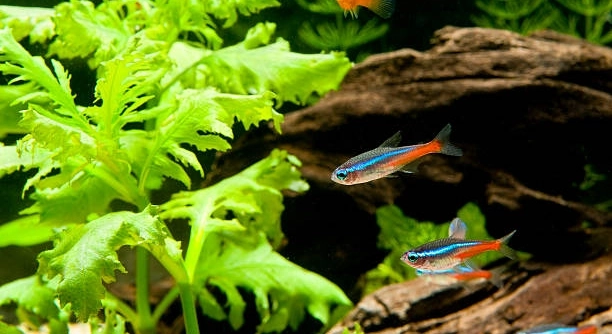
Are your tetras spending most of their time stuck in one corner of the tank? Many fish owners notice this behavior and wonder what it means for their pet’s health. Understanding why this happens can improve your aquarium’s environment.
Tetras stuck in one corner usually indicate stress or poor water conditions. Factors like insufficient oxygen, incorrect temperature, or tank overcrowding can cause this behavior. Ensuring proper water quality and a suitable habitat is essential for their well-being.
Knowing these reasons helps you create a better home for your tetras. Addressing these issues can improve their comfort and overall health in the aquarium.
Water Quality Issues
Water quality plays a major role in how your tetras behave. Poor water conditions, such as high levels of ammonia, nitrites, or nitrates, can stress the fish and cause them to gather in one corner. They may be avoiding areas where the water is less healthy or less oxygenated. Testing your tank water regularly with a reliable kit helps catch problems early. Cleaning the tank and doing partial water changes also keep water conditions stable. Tetras are sensitive to sudden changes, so gradual improvements are best. Sometimes, leftover food or waste buildup can affect water quality too. Removing uneaten food and maintaining the filter system ensures a cleaner environment. Healthy water encourages your fish to explore and swim freely instead of hiding in one spot.
Checking your water parameters every week can prevent many common issues. Keeping ammonia and nitrite at zero and nitrates low is important for fish comfort.
Improving water quality will help your tetras feel safe and reduce their corner-huddling behavior. Clean water supports better oxygen levels, making the entire tank a more inviting space for them. Regular maintenance avoids stress and encourages natural activity. You may notice your tetras swimming around more and interacting better as conditions improve.
Tank Environment and Setup
Tank size and decoration affect how your tetras move. A cramped or poorly arranged tank can limit their swimming space, making corners the easiest places to stay. Avoid overcrowding your tank, as too many fish create stress and competition for oxygen. Tetras like plants and hiding spots but need enough open water to swim comfortably. Using live or artificial plants and smooth decorations can create a balanced environment. Keep lighting gentle and avoid sudden changes, which may startle the fish. A well-set tank mimics their natural habitat, reducing anxiety and encouraging movement. Rearranging decorations occasionally can stimulate curiosity and exploration, preventing boredom.
Providing enough space and proper tank layout is key to healthy fish behavior.
Careful tank setup ensures your tetras have room to swim freely without feeling threatened. Adding plants helps them feel secure, while open areas give them space to explore. Balancing these elements reduces corner-clinging and promotes active swimming. Consider the tank’s size and fish number to avoid crowding. Remember, a calm, spacious environment encourages happier tetras. With the right setup, your fish will display natural, lively behavior that makes your aquarium enjoyable to watch.
Stress and Behavior Patterns
Stress causes tetras to hide in one corner. Loud noises, sudden movements, or aggressive tank mates can make fish feel unsafe. Reducing these factors helps lower their stress levels.
When tetras feel threatened, they often group together in a safe spot. This behavior is natural but signals discomfort. Aggressive fish in the tank can push them into corners. Sudden changes in lighting or water temperature also cause stress. Monitoring tank conditions and keeping a calm environment helps your tetras relax. Avoid tapping on the glass or moving decorations abruptly. Peaceful tank mates and stable surroundings promote healthy behavior. Over time, your tetras will be more confident and active.
Stress can also come from poor diet or illness, which weakens fish and limits their activity. Feeding balanced food and observing health signs helps prevent stress-related hiding. Sick tetras often isolate themselves, so acting quickly can improve their condition. Watch for symptoms like faded color, clamped fins, or erratic swimming. Addressing stress improves overall tank harmony and fish well-being.
Lighting and Temperature Effects
Lighting affects how comfortable tetras feel in their tank. Too bright lights can cause them to seek shelter in shaded corners. Keeping the lighting soft and consistent helps fish stay calm.
Temperature changes disrupt tetra behavior. They prefer stable water temperatures around 74-78°F (23-26°C). Sudden drops or spikes make them stressed and inactive. Using a reliable heater and thermometer maintains steady temperature. Avoid placing the tank near drafts or direct sunlight to prevent fluctuations. Proper lighting combined with stable temperature creates a comfortable environment where tetras can swim freely. Adjusting these conditions may reduce corner-sticking and promote natural activity. Consistency in light and heat helps your fish feel secure and behave normally.
Oxygen Levels in the Tank
Low oxygen levels cause tetras to stay in one corner where oxygen may be higher. Proper aeration is essential to keep them comfortable.
Adding air stones or adjusting filter flow can improve oxygen distribution. Good water circulation helps maintain balanced oxygen throughout the tank.
Feeding Habits and Impact
Overfeeding can lead to poor water quality, affecting fish behavior. Uneaten food decomposes, reducing oxygen and causing stress. Feeding small amounts once or twice daily prevents waste buildup and keeps water cleaner. A balanced diet supports fish health and energy, encouraging active swimming instead of hiding.
Illness or Disease
Sick tetras often isolate themselves in a corner. Watch for symptoms like lethargy or color changes and act quickly to treat illness.
Early detection and treatment improve chances of recovery and help return fish to normal behavior.
FAQ
Why are my tetras always in one corner of the tank?
Tetras often stay in one corner due to stress, poor water quality, or low oxygen levels. They may be avoiding areas with unfavorable conditions or feeling threatened by tank mates. Checking water parameters, tank setup, and fish behavior helps identify the cause and improve their comfort.
Can tank size affect tetra behavior?
Yes, a small or overcrowded tank limits swimming space and causes stress. Tetras need enough room to swim freely and places to hide. Overcrowding increases competition for oxygen and food, making fish stay in corners more often. A larger tank with fewer fish supports healthier activity.
How often should I test my tank water?
Testing your tank water at least once a week is ideal. Frequent tests help catch changes in ammonia, nitrite, nitrate, and pH levels early. Stable water conditions prevent stress and promote healthy fish behavior, reducing the chance that tetras will cluster in one area.
What water parameters are best for tetras?
Tetras thrive in water with a temperature between 74-78°F (23-26°C), a pH around 6.5 to 7.5, and ammonia and nitrite levels at zero. Nitrate should be kept below 20 ppm. Maintaining these conditions keeps tetras active and comfortable.
Could poor lighting cause my tetras to stay in one corner?
Yes, overly bright or inconsistent lighting can stress tetras. Bright lights may push them into shaded corners to feel safe. Use soft, even lighting with a consistent day-night cycle to help your fish feel secure and encourage normal swimming.
How can I improve oxygen levels in my tank?
Using air stones, adjusting filter flow, or adding a bubbler increases oxygen in the water. Good water circulation also helps oxygen spread evenly. Plants can contribute oxygen during daylight but might consume oxygen at night, so balance is important.
Is my feeding routine affecting my tetras’ behavior?
Overfeeding causes leftover food to decompose, reducing water quality and oxygen, which stresses fish. Feeding small portions once or twice a day prevents waste buildup. A balanced diet improves health and energy, encouraging natural swimming patterns.
Can illness make tetras hide in one corner?
Yes, sick tetras often isolate themselves. Signs include lethargy, faded colors, clamped fins, or unusual swimming. Early detection and treatment are crucial. Quarantine new or sick fish to avoid spreading disease.
What tank mates are suitable for tetras?
Peaceful fish like other small tetras, rasboras, or Corydoras catfish are good companions. Avoid aggressive or large fish that may intimidate tetras, causing them to hide or stay in corners.
Should I rearrange decorations if my tetras hide?
Rearranging plants and decorations can reduce boredom and encourage exploration. Provide hiding spots but ensure enough open swimming space. Change the layout slowly to avoid stressing the fish.
How important is tank maintenance for tetra behavior?
Regular cleaning, water changes, and filter checks keep the tank healthy. Good maintenance reduces toxins and keeps oxygen levels stable. This supports active, stress-free fish and prevents corner-hiding.
Can sudden changes in the environment affect tetras?
Yes, sudden temperature shifts, lighting changes, or loud noises can stress fish. Keeping conditions stable and avoiding abrupt changes helps tetras feel safe and behave normally.
Is it normal for tetras to group together in corners sometimes?
Tetras are schooling fish, so grouping is normal. However, if they only stay in one corner for long periods, it usually indicates discomfort or stress needing attention.
What should I do if my tetras keep hiding despite improvements?
Check for hidden illness or parasites, review tank parameters again, and observe for bullying. Consulting a specialist or experienced aquarist may help diagnose persistent problems. Patience and consistent care often lead to improvement.
Final Thoughts
When your tetras spend most of their time stuck in one corner, it often points to an issue with their environment or health. Small problems like poor water quality, low oxygen, or stress from tank mates can cause this behavior. It is important to regularly check the water parameters and make sure the tank is clean and well-maintained. Keeping ammonia and nitrites at zero, along with proper temperature and pH, helps create a comfortable space for your fish. By addressing these basics, you can prevent many common causes of corner-hiding.
The tank setup also plays a big role in how your tetras act. They need enough room to swim freely and feel safe. Overcrowding or a cramped tank can increase stress and force them into one corner. Adding plants and decorations provides hiding spots but too many can make the space feel smaller. A balanced layout with open swimming areas encourages natural movement and reduces anxiety. Lighting should be soft and consistent, as harsh or sudden changes may scare your fish and cause them to hide. Small adjustments to the environment can make a big difference in their behavior.
Lastly, don’t forget that illness or poor diet can cause tetras to isolate themselves. Sick fish often stay away from others and hide as a way to protect themselves. Feeding a balanced diet in moderate amounts supports their health and energy levels. Watch for signs like faded colors or unusual swimming and act quickly if you suspect illness. By paying attention to your tetras’ needs and environment, you can help them feel more comfortable and lively. With proper care and a good setup, your tetras will be more likely to explore the whole tank rather than stay stuck in one corner.

Hello,
If you enjoy the content that we create, please consider saying a "Thank You!" by leaving a tip.
Every little bit helps us continue crafting quality advice that supports the health, happiness, and well-being of pets around the world, for pets of all shapes, sizes, and species.
We really appreciate the kindness and support that you show us!