
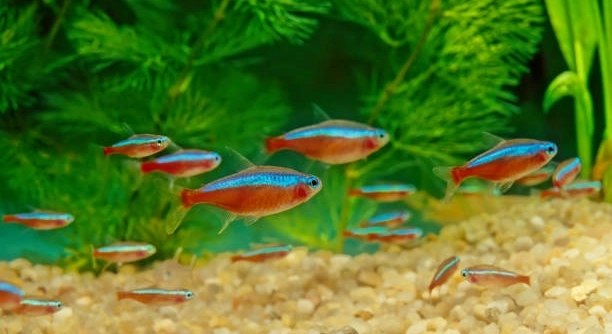
Keeping a single tetra fish might seem easy and simple for a beginner. Many people think one fish is enough to enjoy the beauty and calmness of an aquarium. However, there are challenges that come with having only one tetra.
Keeping just one tetra fish can lead to stress, loneliness, and unhealthy behavior. Tetras are schooling fish that need company to feel safe and active. A lone tetra may hide more, eat less, and show signs of poor health over time.
Learning about these common problems helps you give your tetra a happier, healthier life. Knowing what to expect can make a big difference for your pet’s well-being.
Lack of Social Interaction
Tetras are natural schoolers. They swim in groups and rely on social interaction to feel secure and confident. When kept alone, a single tetra can become shy and withdrawn. It may hide behind plants or decorations, rarely exploring its tank. This lack of activity can lead to stress and weaken its immune system. A stressed tetra is more vulnerable to diseases and infections. Additionally, the fish might stop eating regularly or lose interest in food. Over time, loneliness can affect its growth and overall health. Observing a single tetra behave differently from a group can be disappointing, especially when you want a lively aquarium. Adding at least three to five tetras helps mimic their natural behavior and keeps them more active. This way, they support each other and create a balanced environment. It’s important to remember that fish need more than just water; they need companions to thrive.
Lonely tetras often hide and become less active, which harms their health and happiness.
Giving your tetra company will help it swim freely and stay healthy. A group encourages natural behavior and reduces stress. Watching a lively school of tetras is more enjoyable and rewarding.
Increased Risk of Stress-Related Illness
A single tetra is under constant stress because it feels vulnerable without others around. Stress can lower its resistance to common diseases like ich or fin rot. Without the comfort of a school, the fish often stays hidden, which disrupts its normal feeding and resting cycles. Stress also causes the fish to release hormones that affect its organs and immune system negatively. Over time, this makes it harder for the tetra to fight off infections. The risk of illness rises the longer the fish stays alone. Even small changes in the tank, like water quality or temperature, become harder to handle without the group’s support. A stressed tetra can show signs like faded colors, clamped fins, and slow movements. Preventing stress by keeping several tetras together helps maintain their health. It also makes it easier to spot early signs of illness because the fish behave more naturally and visibly. Regular monitoring and proper care can reduce stress and keep your tetra thriving.
Boredom and Lack of Stimulation
A single tetra often becomes bored without the stimulation from its schoolmates. This boredom can lead to unhealthy behaviors or lethargy.
Without companions, a lone tetra has fewer chances to explore or interact. The tank environment feels dull, and the fish may lose interest in its surroundings. This lack of stimulation affects its mental and physical health. Tetras in groups chase, play, and swim actively, which keeps them engaged. Alone, they might swim aimlessly or hide, showing signs of frustration. Enriching the tank with plants and decorations helps, but it doesn’t replace the natural social interaction they need. Their well-being depends on activity and company.
Providing a social setting reduces boredom and encourages natural behaviors. Even small groups create a lively, stimulating environment that benefits your tetra’s mood and health.
Increased Aggression or Fear
Single tetras sometimes become more aggressive or fearful without others around to balance their behavior. They may act unusually towards other fish or tank mates.
Being alone makes a tetra feel exposed and defensive. Without a school, it struggles to understand its place in the tank’s hierarchy. This can lead to aggressive displays, such as chasing or nipping other fish, which is rare in a proper group. Conversely, fear might dominate, causing the fish to hide and avoid interaction altogether. Both reactions show the fish’s discomfort and stress. Observing these behaviors can be worrying because they hint at an unhappy fish. Keeping multiple tetras helps them form natural social bonds and reduces aggression or fear. A group creates a safe space where individual fish feel protected and less stressed. This balance is crucial for a peaceful aquarium environment and for the overall health of your aquatic pets.
Difficulty in Establishing a Natural Routine
A single tetra often struggles to develop a regular daily pattern without its schoolmates. This affects feeding, resting, and swimming habits.
Tetras rely on group cues to maintain their routine. Alone, their behavior can become irregular, impacting their overall health and well-being.
Poor Display of Natural Behavior
Without others, a lone tetra cannot show its full range of natural behaviors like schooling, synchronized swimming, or social grooming. These behaviors are important for mental and physical stimulation. The absence of these activities can lead to boredom and stress, reducing the fish’s quality of life and lifespan.
Less Visual Appeal
One tetra swimming alone lacks the vibrant, dynamic effect that a school creates in the tank. A group of tetras adds movement and color, making the aquarium more enjoyable to watch.
How many tetras should I keep together?
Tetras are social fish that do best in groups. A minimum of three to five tetras is recommended to create a small school. This number helps them feel safe and encourages natural swimming behavior. Larger groups of six or more are even better for their social needs. Keeping them alone often leads to stress and health problems, so having several tetras together improves their well-being and happiness.
Can a single tetra live alone for a short time?
Yes, a single tetra can survive alone for a short period, such as during quarantine or tank maintenance. However, this should only be temporary because long-term isolation affects their behavior and health. Try to reunite the fish with others as soon as possible to avoid stress and boredom.
What signs show that my tetra is stressed or lonely?
Signs include hiding constantly, loss of appetite, faded colors, and sluggish swimming. You might also notice clamped fins or unusual aggression. These behaviors suggest your tetra is unhappy, likely due to loneliness or poor tank conditions. Observing your fish regularly helps catch these signs early.
Is it okay to keep tetras with other fish?
Tetras generally get along well with other peaceful community fish. They share similar water needs and temperaments. However, avoid housing them with large or aggressive species that may bully or eat them. Research tank mates carefully to ensure a calm environment where all fish can thrive.
What tank size is best for a group of tetras?
A tank of at least 20 gallons is recommended for a small group of tetras. This size allows enough space for swimming and exploring. Larger tanks provide better water quality and reduce stress by offering room to avoid conflicts. Overcrowding leads to poor water conditions and health risks.
How do I introduce new tetras to my tank?
When adding new tetras, quarantine them for a week to prevent disease spread. After quarantine, introduce them slowly using a drip acclimation method to adjust to water parameters. Place them in the tank when the existing tetras are calm. Adding several new tetras at once helps maintain a balanced school.
What kind of environment do tetras prefer?
Tetras like a well-planted tank with hiding spots, soft lighting, and stable water conditions. They prefer slightly acidic to neutral pH and moderate temperatures around 72-78°F (22-26°C). A calm environment with gentle water flow mimics their natural habitat, helping them feel secure and active.
How often should I feed my tetras?
Feed tetras small amounts once or twice daily. Overfeeding can pollute the tank and harm their health. Use high-quality flakes, pellets, or frozen foods designed for tropical fish. Observe their eating habits and adjust amounts to prevent leftover food buildup.
Can tetras breed in a home aquarium?
Yes, tetras can breed in a home aquarium under the right conditions. They prefer soft, acidic water and plenty of plants for laying eggs. Breeding usually occurs when water conditions are stable and the fish are healthy. Separating the fry early helps increase their survival rate.
What are common diseases in tetras?
Common diseases include ich (white spot disease), fin rot, and fungal infections. These are often caused by poor water quality or stress. Quarantining new fish and keeping the tank clean helps prevent illness. Early treatment with medication improves recovery chances.
How do I keep my tetra tank clean?
Regular water changes, removing uneaten food, and cleaning the substrate are key to a healthy tank. Test water parameters weekly and maintain filters properly. A clean tank reduces stress and keeps tetras healthy, making your aquarium enjoyable to watch.
Keeping a single tetra fish may seem like a simple choice, but it often brings more challenges than many expect. Tetras naturally live in groups and rely on their schoolmates for social interaction, safety, and comfort. When kept alone, they can become stressed, bored, and less active. These problems affect their health and happiness. Watching a single fish hiding or swimming listlessly can be disappointing, especially if you hoped for a lively and vibrant aquarium. By understanding these challenges, it becomes clear why tetras thrive best when kept in groups rather than alone.
The social nature of tetras means they need companions to feel secure and express their natural behaviors. When kept solo, a tetra may lose interest in food, become more fearful or aggressive, and stop swimming freely. These changes are signs of stress and can lead to illness or early death if not addressed. On the other hand, groups of tetras encourage active swimming, natural schooling, and healthy eating habits. They create a peaceful environment where each fish supports the others. This social support helps reduce stress and keeps the fish healthier for longer. The visual appeal of a group is also much greater, bringing more color and movement to the aquarium, which can be much more satisfying for the owner.
It is important to remember that caring for tetras means meeting their social needs as well as maintaining good water quality and a suitable environment. A tank with enough space, proper plants, and stable water conditions provides the foundation for a healthy fish community. Adding multiple tetras ensures they have companions, which is essential for their well-being. Although it may feel easier to keep just one fish, the benefits of having a small school far outweigh the effort. By keeping several tetras together, you help them live fuller, happier lives and create a more beautiful, lively aquarium that anyone can enjoy.

Hello,
If you enjoy the content that we create, please consider saying a "Thank You!" by leaving a tip.
Every little bit helps us continue crafting quality advice that supports the health, happiness, and well-being of pets around the world, for pets of all shapes, sizes, and species.
We really appreciate the kindness and support that you show us!