
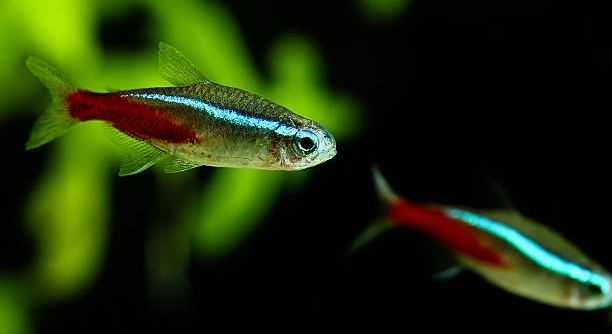
Many aquarium owners notice their tetras behaving oddly right after feeding. These small fish might swim erratically, hide, or appear lethargic, which can be worrying. Understanding these changes can help keep your fish healthy and calm.
Tetras often act strange after feeding due to digestive discomfort, water quality shifts, or overfeeding. Uneaten food can decay, reducing oxygen levels and increasing toxins, which stresses the fish. Proper feeding and tank maintenance are essential to prevent such issues.
Learning about the reasons behind this behavior helps improve your tetra’s environment and well-being. Small adjustments can make a big difference in their daily habits and health.
Common Causes of Strange Behavior After Feeding
Tetras can show unusual behavior after eating because of several common factors. One main reason is overfeeding. When too much food is given, the fish may struggle to digest it all, leading to discomfort or bloating. Uneaten food settles at the bottom and starts to decompose, which lowers oxygen levels and releases harmful substances like ammonia into the water. This creates a stressful environment for the fish. Another factor is water quality. After feeding, waste increases, and if the filtration system is weak or the tank is overcrowded, toxins build up quickly. This affects the fish’s health and makes them act strange. Temperature changes after feeding can also play a role. Sudden shifts in water temperature can cause stress. Paying attention to these factors helps prevent your tetras from showing signs of discomfort and keeps their environment safe.
Fish behavior after feeding often signals changes in water quality or digestion.
By managing how much you feed and maintaining clean water, you can reduce stress and unusual behavior in your tetras. Regular monitoring helps catch issues early and keeps your fish active and healthy.
How Overfeeding Affects Your Tetras
Overfeeding is a common mistake that many fish owners make, even unintentionally. Feeding too much food at once leads to leftovers that sink and decay, polluting the tank. This decay reduces oxygen levels and increases ammonia and nitrite concentrations, which are toxic to tetras. The fish may swim irregularly, gasp at the surface, or hide because of this stress. Besides water pollution, overfeeding can cause digestive problems for tetras, including bloating and constipation. These issues make them lethargic or restless. Small, frequent feedings are better than one large meal to avoid these problems. Also, feeding only what the fish can consume in a few minutes helps keep the tank clean and water parameters stable. Proper portion control and tank maintenance ensure your tetras stay comfortable and healthy after eating. This prevents many of the strange behaviors that can worry fish owners.
Water Quality and Its Impact on Tetra Behavior
Water quality changes quickly after feeding. Uneaten food and fish waste increase toxins and reduce oxygen, stressing your tetras.
Keeping water clean is essential to avoid strange behaviors. Using a good filter and doing regular water changes helps maintain a healthy environment. Testing water parameters often prevents toxic buildup and keeps your fish comfortable.
Proper tank maintenance includes cleaning leftover food, monitoring ammonia, nitrite, and nitrate levels, and ensuring good aeration. A balanced ecosystem supports your tetras’ well-being, reducing erratic swimming and hiding. Healthy water conditions also help their digestion and immune systems work better. Simple steps like feeding the right amount and cleaning the tank regularly make a big difference in how your fish act after meals.
Stress and Temperature Effects on Tetras
Stress affects how tetras behave, especially after feeding. Sudden changes in their environment or water temperature can make them uneasy.
Temperature swings can slow down digestion or cause shock. Tetras prefer stable temperatures around 74–78°F (23–26°C). Keeping the tank consistent helps reduce stress. Sudden noises or movements near the aquarium can also frighten them, leading to hiding or frantic swimming. Managing stress involves gentle handling, stable conditions, and avoiding overcrowding. Less stress means better health and calmer behavior in your tetras, especially after feeding when they are more vulnerable. Creating a peaceful environment encourages natural, relaxed activity.
Feeding Habits and Their Influence
Tetras have small stomachs and need only small amounts of food at a time. Overfeeding can cause discomfort and odd behavior.
Feeding them multiple small portions instead of one large meal supports better digestion and reduces waste buildup in the tank.
Recognizing Signs of Illness
Strange behavior after feeding may also indicate illness. Look for signs like faded colors, clamped fins, or slow movement, which suggest health problems requiring attention.
Adjusting Feeding Routines
Changing feeding times or food type can improve your tetras’ comfort and activity. Experiment with feeding schedules and observe their response to find what works best.
Tank Environment Matters
A well-planted and spacious tank helps reduce stress and encourages natural behavior in tetras. Proper hiding spots support their sense of safety.
FAQ
Why do my tetras swim erratically after feeding?
Erratic swimming often happens because the fish feel stressed or uncomfortable. This can be due to overfeeding, which causes digestive problems or poor water quality. Uneaten food decomposes, lowering oxygen levels and releasing toxins. These changes make your tetras swim nervously or dash around. Reducing feeding amounts and cleaning the tank regularly usually helps calm their behavior.
How much should I feed my tetras at once?
Tetras have small stomachs and only need a tiny amount of food per feeding. A good rule is to offer what they can eat in about two to three minutes. Feeding too much leads to leftovers that pollute the tank and can harm your fish. Dividing their daily food into two or three small meals can improve digestion and keep the tank cleaner.
Can water temperature changes affect my tetras’ behavior?
Yes, tetras are sensitive to temperature shifts. Sudden changes can stress them and slow their digestion, causing strange behavior after feeding. Keeping the tank temperature stable, ideally between 74°F and 78°F (23°C–26°C), helps maintain their comfort. Using a reliable heater and thermometer ensures consistent temperature.
Why do my tetras hide after feeding?
Hiding can be a response to stress or discomfort. After feeding, if the water quality is poor or the fish feel unwell due to overfeeding, they might seek shelter. Sometimes new tankmates, loud noises, or bright lights also cause them to hide. Improving water conditions and reducing stress helps them feel safer and more active.
What signs indicate my tetras are sick?
Look for faded colors, clamped fins, loss of appetite, or slow swimming. Erratic movements combined with these signs suggest illness. Illness can result from poor water quality, parasites, or bacterial infections. If you notice these symptoms, test your water and consider consulting a vet or aquarium specialist.
How often should I change the water after feeding?
Regular water changes are vital to keep the tank healthy. A weekly partial water change of about 20-30% is recommended. After feeding, if you notice leftover food or cloudy water, a small extra water change can help. This prevents toxin buildup and keeps your tetras comfortable.
Can the type of food affect my tetras’ behavior?
Yes, food quality and type influence their digestion and activity. High-quality flakes or pellets designed for tetras are best. Avoid overfeeding rich or heavy foods like bloodworms too often, as they can cause digestive issues. Varying their diet with occasional live or frozen foods supports health and reduces strange behaviors.
What should I do if my tetras refuse to eat?
Refusal to eat can signal stress, illness, or poor water quality. Check water parameters and look for signs of sickness. Sometimes sudden changes in temperature or tank setup cause loss of appetite. Try offering different food types or smaller portions. If the problem persists, seek advice from an expert.
Is it normal for tetras to gasp at the surface after feeding?
Gasping may indicate low oxygen levels in the water. After feeding, uneaten food and waste can reduce oxygen, especially in crowded tanks. Improve aeration with an air stone or better filtration. Regular water changes also help maintain oxygen balance and reduce this behavior.
How can I prevent my tetras from acting strange after feeding?
Feed small amounts appropriate for their size, maintain good water quality, and keep tank conditions stable. Regular cleaning and monitoring water parameters prevent toxic buildup. Avoid sudden changes in temperature or lighting. Providing a calm environment reduces stress, keeping your tetras healthy and behaving normally after meals.
Taking care of tetras involves paying close attention to their behavior, especially after feeding. When they act strangely, it often signals that something in their environment needs adjustment. Overfeeding is one of the most common issues. Feeding too much food at once can lead to leftovers that pollute the tank, which causes stress and discomfort for your fish. By giving smaller amounts of food and feeding more often, you help your tetras digest better and keep their water cleaner. This simple change can improve their overall health and make their behavior more predictable.
Water quality plays a major role in how tetras behave after meals. Uneaten food and fish waste quickly affect the tank’s chemistry by increasing toxins like ammonia and nitrites, which are harmful to fish. Keeping the tank clean with regular water changes and a good filtration system helps maintain stable conditions. Testing water parameters regularly allows you to catch problems early before your tetras become stressed or sick. Stable temperature and good oxygen levels are also important, as sudden changes or poor aeration can upset your fish and make them swim erratically or hide after feeding.
Understanding your tetras’ needs and habits will make it easier to prevent strange behavior after feeding. Maintaining proper feeding routines, clean water, and a calm environment helps your fish stay healthy and active. If you notice signs of illness or continued strange behavior, it is important to take action quickly. With consistent care and attention, your tetras can thrive, showing their natural, peaceful behavior and bringing enjoyment to your aquarium. Taking these steps makes all the difference in keeping your fish happy and your tank a healthy place.

Hello,
If you enjoy the content that we create, please consider saying a "Thank You!" by leaving a tip.
Every little bit helps us continue crafting quality advice that supports the health, happiness, and well-being of pets around the world, for pets of all shapes, sizes, and species.
We really appreciate the kindness and support that you show us!