
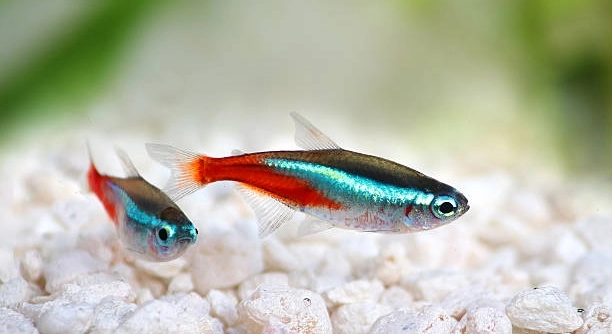
Cycling a tank for Tetras is essential before introducing these delicate fish to a new aquarium. Proper cycling establishes a healthy environment by promoting beneficial bacteria growth that keeps harmful toxins at safe levels. This process helps ensure your Tetras thrive.
Proper tank cycling involves establishing a nitrogen cycle by introducing ammonia, monitoring water parameters, and allowing beneficial bacteria to convert ammonia into nitrite and then nitrate. Completing this process stabilizes water quality, reducing stress and promoting the long-term health of your Tetras.
Following these clear steps will help you create a safe and stable home for your Tetras, improving their chances of living a healthy and happy life.
Understanding the Nitrogen Cycle
The nitrogen cycle is the foundation of a healthy aquarium. When you add fish or ammonia to the tank, beneficial bacteria start converting harmful substances into less toxic ones. Ammonia is first changed into nitrite, which is also harmful but less so. Then, another type of bacteria converts nitrite into nitrate, which is safer for fish in low amounts. This natural process takes time—usually several weeks—to develop enough bacteria to keep the water safe. Testing water regularly for ammonia, nitrite, and nitrate levels is essential to track progress. Adding live plants can also help absorb nitrates and improve water quality. Skipping or rushing this step can cause stress or even death to your Tetras. Patience is important during cycling, as a properly established nitrogen cycle sets the stage for a thriving aquarium.
Testing water with reliable kits ensures you know exactly when the tank is ready for fish. Regular testing is key.
Proper cycling involves watching these levels closely until ammonia and nitrite drop to zero and nitrate stays low. This means the tank is safe for your Tetras.
Choosing the Right Equipment
Using the right equipment makes cycling easier and more effective. A quality filter supports bacterial growth and keeps water clear by removing waste particles. Choose a filter that matches your tank size to maintain proper water flow. A heater helps keep the temperature steady, which benefits both fish and bacteria. Many bacteria work best between 75-80°F, ideal for Tetras. Lighting isn’t directly related to cycling but is important once fish and plants are added. Air pumps can improve oxygen levels, which supports bacteria and fish health. Avoid using chemicals or cleaning products that kill bacteria during cycling. Setting up equipment properly helps the nitrogen cycle develop faster and creates a more stable environment for your fish once introduced.
Good equipment supports a smooth cycling process and healthier fish in the long run.
Adding Ammonia to Start Cycling
Ammonia is the key to starting the nitrogen cycle. Without it, beneficial bacteria won’t grow.
Begin by adding pure ammonia or fish food to the tank to create an ammonia source. This feeds the bacteria that convert ammonia into nitrite. Keep ammonia levels around 3-5 ppm to avoid overwhelming the system. Use a test kit to monitor levels daily. Avoid adding too much ammonia at once, as this can delay cycling. The goal is to maintain steady ammonia so bacteria can establish themselves properly. Patience during this phase is important because the bacteria need time to multiply and start processing waste.
Tracking ammonia levels helps you know when bacteria are active. When ammonia begins to drop, nitrite will rise, showing the cycle is progressing. This balance between ammonia and nitrite is essential before moving to the next stage of cycling.
Monitoring Nitrite and Nitrate Levels
Nitrite will increase after bacteria begin processing ammonia. Nitrite is toxic, so watch levels carefully.
Once nitrite peaks, another type of bacteria grows to convert it into nitrate, which is less harmful. You’ll notice nitrite levels eventually drop as nitrate rises. Use test kits frequently to track these changes. If nitrite stays high for too long, water changes might be necessary to protect future fish. Nitrate should be kept under 40 ppm to keep the tank safe. High nitrate can be lowered by water changes or adding live plants. Monitoring these levels closely helps ensure the tank is cycling properly and will be safe for your Tetras once completed.
Maintaining Stable Water Conditions
Keeping water stable is important during cycling. Sudden changes can harm beneficial bacteria.
Avoid drastic temperature shifts and keep the water parameters consistent. Regularly check pH, temperature, and hardness to prevent stress on bacteria and future fish.
Performing Water Changes
Water changes help control nitrate and nitrite levels during cycling. Use dechlorinated water to avoid killing bacteria.
Partial water changes (20-30%) keep toxins low without disrupting bacteria growth. Avoid full changes unless necessary, as this can reset the cycle and prolong the process.
Preparing for Fish Introduction
Test water to confirm ammonia and nitrite are at zero and nitrate is low. This indicates a safe environment for Tetras.
Only add a few fish at first to avoid shocking the system. Gradually increase the number as the tank’s biological filter strengthens.
FAQ
How long does it take to cycle a tank for Tetras?
Cycling usually takes between 4 to 6 weeks. This time allows beneficial bacteria to grow and establish the nitrogen cycle. Rushing the process can lead to unsafe water conditions and harm your fish. Testing water parameters regularly helps you know when cycling is complete.
Can I cycle a tank with fish in it?
Yes, but it’s riskier. This method is called fish-in cycling. It requires careful monitoring of water quality and frequent water changes to keep ammonia and nitrite low. It’s better to cycle the tank without fish first to avoid stressing or killing them.
What type of ammonia should I use for cycling?
Use pure, unscented ammonia without additives. Avoid ammonia cleaners with fragrances or surfactants, as they can harm bacteria and fish. Fish food or shrimp can also produce ammonia as they decompose, but pure ammonia allows better control over the process.
Do I need special bacteria starters to cycle a tank?
Bacteria starters can speed up cycling but are not always necessary. Natural bacteria will grow over time from the environment, filter media, or decorations. If using starters, choose reliable brands and follow instructions closely.
Is it okay to use tap water during cycling?
Tap water can be used if treated with a water conditioner that removes chlorine and chloramine. These chemicals kill beneficial bacteria and must be neutralized before adding water to the tank.
How often should I test water during cycling?
Daily testing is best. Keep track of ammonia, nitrite, and nitrate levels to see how the cycle progresses. This helps you catch any problems early and avoid harming your future fish.
Why are my ammonia or nitrite levels not dropping?
Stuck cycling can happen if conditions are not ideal. Temperature, pH, or toxic substances might be preventing bacteria growth. Sometimes adding more ammonia or ensuring the filter runs continuously helps. Patience is important, but adjustments may be needed.
What water temperature is best for cycling?
Keep the water between 75-80°F (24-27°C). This range encourages bacteria growth and matches the preferred temperature for Tetras. Avoid large temperature swings, as they slow down the process.
Can I speed up cycling by adding filter media from an established tank?
Yes, adding filter media or decorations from a healthy, cycled tank introduces beneficial bacteria and can shorten cycling time. Make sure the source tank is healthy and free of diseases.
Should I feed fish during fish-in cycling?
Feed sparingly to reduce excess ammonia. Overfeeding creates more waste and makes cycling harder. Small, controlled amounts once a day are enough during this period.
What happens if I add fish before cycling is complete?
Adding fish too early exposes them to toxic ammonia and nitrite. This causes stress, illness, and often death. It also disrupts the cycling process. Waiting until cycling is finished protects your fish’s health.
How do I know when my tank is fully cycled?
Your tank is cycled when ammonia and nitrite levels are consistently zero and nitrate is present at low levels. This means beneficial bacteria have established and water is safe for fish. Testing daily confirms this balance.
Can live plants help with cycling?
Yes, live plants absorb ammonia and nitrate, improving water quality. They also provide oxygen and natural hiding spots for fish. However, plants alone don’t replace the need for beneficial bacteria in the nitrogen cycle.
Is it necessary to use a heater during cycling?
A heater keeps water temperature stable, which benefits bacteria and fish. Fluctuating or low temperatures slow bacteria growth and prolong cycling. For Tetras, maintaining 75-80°F is ideal.
What should I do if nitrite levels get too high?
Perform partial water changes to reduce nitrite levels and protect future fish. Adding salt (aquarium salt) can also help reduce nitrite toxicity, but only in recommended amounts. Always test water after changes to monitor progress.
Can I use bottled bacteria products to restart a stalled cycle?
Bottled bacteria can help restart or speed up a stalled cycle but results vary. Follow product instructions carefully, and continue monitoring water quality closely. Avoid relying solely on these products without proper cycling practices.
Final Thoughts
Cycling a tank properly is essential for the health and happiness of your Tetras. Taking the time to establish a strong nitrogen cycle creates a safe environment that protects your fish from harmful toxins. Although the process can feel slow, patience is key. Rushing to add fish before the cycle is complete often leads to problems like stress, illness, or death. Following the steps carefully helps prevent these issues and sets the foundation for a stable aquarium. Once the cycle is finished, maintaining good water quality becomes easier and more effective, making it simpler to enjoy your Tetras and watch them thrive.
It is important to remember that cycling is not a one-time task but part of ongoing aquarium care. Regular testing of water parameters like ammonia, nitrite, and nitrate ensures that the environment stays healthy. Using the right equipment and avoiding sudden changes in temperature or water chemistry also supports the beneficial bacteria that keep the tank balanced. Water changes should be done as needed to control nitrate levels and maintain water quality. Over time, you will become more confident in reading test results and knowing what adjustments are necessary. This steady care supports a long-lasting, healthy tank for your fish.
Lastly, every tank is unique and may cycle differently depending on factors like tank size, temperature, and source water. Some cycles may take longer, while others might progress faster with the help of live plants or filter media from established tanks. Being patient and consistent with the cycling process will give the best results. Keeping a simple routine and observing changes closely allows you to respond promptly if issues arise. Proper cycling is the foundation that makes caring for your Tetras rewarding and enjoyable, providing them with a comfortable and safe home.

Hello,
If you enjoy the content that we create, please consider saying a "Thank You!" by leaving a tip.
Every little bit helps us continue crafting quality advice that supports the health, happiness, and well-being of pets around the world, for pets of all shapes, sizes, and species.
We really appreciate the kindness and support that you show us!