
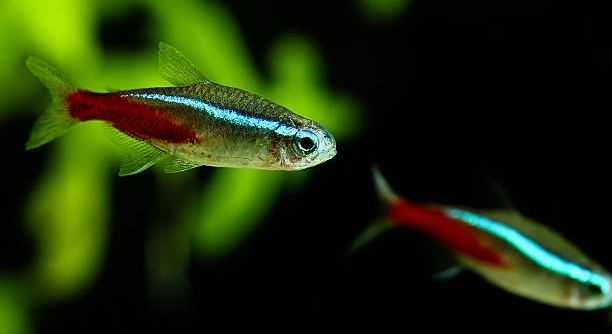
Tetras are small, delicate fish that need a calm and secure environment to thrive. Many fish owners want to help their tetras feel safer in their tanks. Creating the right atmosphere can reduce stress and encourage healthy behavior.
Providing hiding spots and maintaining stable water conditions are key to making tetras feel secure. Plants, decorations, and proper tank mates create a peaceful environment, while consistent temperature and clean water reduce stress and promote wellbeing.
This article explains simple ways to improve your tetra’s safety and comfort in its home.
Provide Plenty of Hiding Places
Tetras feel safer when they have places to hide and explore. Adding live or artificial plants, caves, and decorations helps create secure spots. These hiding places give tetras refuge when they feel stressed or threatened. It also allows them to express natural behaviors, like swimming in and out of cover. Avoid overcrowding the tank with too many decorations, as it can limit swimming space and cause stress. Choose plants that are safe for fish and won’t alter the water quality negatively. Hiding spots near the bottom or mid-level of the tank are ideal, since tetras usually swim in these areas. You can also use floating plants to diffuse light, making the environment less harsh and more comfortable. When tetras feel hidden and protected, they are more likely to display healthy activity and less likely to hide out of fear.
Hiding spots reduce stress and improve overall health. They help tetras feel more confident and secure in their environment.
Creating a balanced setup with enough open swimming space and hiding places supports your tetra’s natural instincts. Watch how your fish use the decorations to adjust placement if needed. This simple step can greatly enhance your tetra’s sense of safety and wellbeing.
Maintain Stable Water Conditions
Keeping the water stable is crucial for tetra health. Frequent changes in temperature, pH, or cleanliness cause stress and weaken their immune system. Monitor temperature closely, aiming for a consistent range of 72-80°F (22-27°C), and use a heater if necessary. Test water parameters regularly to maintain pH between 6.0 and 7.5. Perform partial water changes weekly to remove waste and toxins. Avoid sudden large changes in water conditions, as tetras are sensitive to fluctuations. Use a reliable water conditioner to remove chlorine and chloramines from tap water. Filtration should be efficient but gentle to prevent strong currents that may stress your fish. Clean the filter regularly but avoid replacing all filter media at once, to keep beneficial bacteria intact. Proper water maintenance reduces disease risk and helps your tetras feel secure in their environment.
Stable water conditions are the foundation of a healthy tank. They prevent stress and keep your tetras active and thriving.
Consistent water quality helps tetras feel comfortable and secure. Taking time to monitor and adjust water parameters creates a reliable environment where they can flourish. This step is one of the most effective ways to promote their wellbeing.
Choose Compatible Tank Mates
Not all fish get along with tetras. Selecting peaceful species helps reduce stress and aggression. Avoid large or aggressive fish that may bully or eat tetras. Good tank mates include small peaceful fish like guppies, rasboras, or other small tetras. Keeping compatible fish creates a calm community, making tetras feel safer.
Adding compatible tank mates supports natural social behavior. Tetras thrive when surrounded by peaceful companions in similar water conditions.
Aggressive or territorial fish can stress tetras, causing hiding or health issues. Always research species compatibility before adding new fish. Introducing fish gradually and monitoring interactions helps maintain a peaceful environment. This care ensures tetras feel safe and reduces the risk of injury or stress.
Keep the Tank Well-Planted
Plants improve water quality by absorbing nitrates and providing oxygen. They also create shade and shelter, helping tetras feel less exposed. A well-planted tank mimics natural habitats, promoting comfort and natural behavior. Use a mix of tall and short plants to create layers of cover. Floating plants diffuse light and reduce glare. Healthy plants prevent algae growth and contribute to water stability. Maintaining plant health through proper lighting and nutrients supports a balanced ecosystem that benefits your tetras.
Dense planting reduces stress and offers a sense of security. It also helps tetras find places to retreat and rest.
Plants contribute to the overall health of the aquarium. They absorb waste products and reduce toxins, improving water quality for tetras. The natural cover allows shy or nervous fish to relax and explore safely. Regular trimming and plant care keep the environment attractive and functional. Well-maintained plants enhance the beauty and health of your tank, making it a safer home for your tetras.
Avoid Sudden Movements Near the Tank
Sudden movements can startle tetras and cause stress. Moving calmly and quietly around the tank helps them feel safe. Avoid tapping on the glass or quick motions that may scare them.
Consistent, gentle behavior near the tank builds trust. Tetras become more comfortable when they don’t expect sudden disturbances.
Maintain a Proper Feeding Routine
Feeding tetras regularly at the same times each day reduces stress and promotes healthy behavior. Overfeeding can harm water quality, so offer only what they can eat within a few minutes.
A consistent feeding schedule helps tetras feel secure and supports their natural rhythms. Avoid changing their diet abruptly to prevent digestive issues and maintain comfort.
Keep the Lighting Moderate
Bright or fluctuating lights can stress tetras. Using moderate lighting that mimics their natural environment helps them feel secure and reduces anxiety.
Dim lights or a timer for a consistent day-night cycle create a calm atmosphere that supports tetra wellbeing.
FAQ
How can I tell if my tetra feels safe in its tank?
A tetra that feels safe will swim confidently around the tank and interact with its environment. It will come out of hiding regularly and display bright colors. If your tetra hides constantly, appears lethargic, or shows signs of stress like clamped fins, it may feel unsafe. Observing its behavior over time helps you understand its comfort level.
What are the best hiding spots for tetras?
Tetras prefer hiding spots that mimic their natural environment. Dense plants, small caves, and decorations with openings work well. Floating plants also provide shade and a sense of cover. Avoid sharp or rough objects that could injure your fish. Placing hiding spots at different tank levels gives your tetra options to retreat depending on its mood.
Can I keep tetras alone, or do they need a group?
Tetras are schooling fish and feel safer in groups of at least six. Keeping them alone can increase stress and make them shy. A small school provides social interaction, which is important for their mental health. If space is limited, choose fewer fish but avoid keeping just one.
How often should I check water parameters?
Testing water parameters weekly is ideal for maintaining a stable environment. Key factors include temperature, pH, ammonia, nitrite, and nitrate levels. Consistent monitoring allows early detection of changes that could stress your tetras. Keeping a log can help track trends and improve care decisions.
What temperature range is best for tetras?
Tetras thrive in temperatures between 72°F and 80°F (22°C to 27°C). Keeping the temperature steady within this range is important to avoid stress. Sudden changes can weaken their immune system and make them vulnerable to illness. Using a reliable aquarium heater and thermometer helps maintain proper temperature.
Is it necessary to have a filter for tetras?
Yes, a filter is essential to keep the water clean and oxygenated. It removes waste and toxins, which helps reduce stress and disease risk. Choose a filter that provides gentle water flow, as strong currents can tire or stress tetras. Regular maintenance of the filter ensures it functions effectively.
What should I feed my tetras for the best health?
A balanced diet includes high-quality flakes or pellets formulated for tropical fish, supplemented with live or frozen foods like brine shrimp or bloodworms. Variety helps provide essential nutrients and prevents boredom. Feed small amounts once or twice a day, avoiding overfeeding to keep water quality high.
How can I reduce stress if my tetra seems scared?
Provide plenty of hiding places and ensure stable water conditions. Reduce noise and vibrations near the tank, and avoid sudden movements. A calm environment with proper lighting and compatible tank mates also helps. Sometimes dimming the lights or covering part of the tank temporarily can comfort nervous fish.
Can tank size affect how safe tetras feel?
Yes, tank size impacts their comfort. A small tank can feel crowded and stressful, while a properly sized tank gives them space to swim and hide. For a small school of tetras, at least 10 gallons is recommended, with larger tanks preferred for bigger groups or additional fish.
How often should I clean the tank to keep tetras safe?
Partial water changes of 20-30% weekly or biweekly help maintain water quality without shocking your tetras. Avoid full water changes, which can disrupt beneficial bacteria and stress fish. Cleaning the substrate and removing uneaten food also reduces toxins that affect their health.
Are there signs that indicate poor water quality affecting tetras?
Signs include gasping at the surface, faded colors, lethargy, and unusual swimming behavior. White spots or damaged fins can also indicate stress from poor water conditions. Regular testing and maintenance prevent these issues, keeping your tetras safe and healthy.
What tank decorations should I avoid to keep tetras safe?
Avoid decorations with sharp edges or rough surfaces that can injure delicate fins. Some materials may leach harmful chemicals or affect water chemistry, so choose aquarium-safe products. Avoid overcrowding the tank, which reduces swimming space and increases stress.
How important is a consistent light cycle for tetras?
A regular day-night cycle helps regulate tetra behavior and reduces stress. Using a timer to provide 8-12 hours of light daily mimics natural conditions. Too much light can cause algae growth and stress, while too little can affect feeding and activity levels.
Can tetras live with other species without feeling threatened?
Yes, but compatibility matters. Peaceful, small fish that share similar water needs make good tank mates. Avoid aggressive or large species that might bully or eat tetras. Observing fish interactions regularly ensures your tetras remain safe and stress-free.
What can cause sudden changes in tetra behavior related to safety?
Stress from poor water quality, new tank mates, or sudden environmental changes can cause hiding, loss of appetite, or erratic swimming. Illness and injury also affect behavior. Addressing these factors quickly improves your tetra’s comfort and health.
Creating a safe and comfortable environment for your tetra is essential for its health and happiness. Small changes in the tank setup, such as adding hiding spots or choosing peaceful tank mates, can make a big difference. Tetras are delicate fish that rely on stable water conditions and a calm atmosphere to thrive. When their needs are met, they are more active, display brighter colors, and show natural behaviors that are rewarding to watch.
Maintaining clean and stable water is one of the most important factors in making your tetra feel secure. Regular water testing and partial water changes help remove harmful substances and keep the water quality high. Temperature should be steady within the recommended range to avoid stress. Proper filtration and moderate lighting support a balanced environment that reduces anxiety for your fish. These routine tasks might seem small but are crucial in preventing illness and encouraging a longer, healthier life for your tetra.
Overall, attention to detail in tank care reflects in how safe your tetra feels. Consistency and patience go a long way in building a healthy habitat. Observing your fish regularly helps you notice any changes in behavior early, allowing you to adjust conditions before problems arise. Taking these steps not only improves the wellbeing of your tetra but also makes caring for them more enjoyable. A safe and well-maintained tank creates a peaceful home where your tetra can flourish.

Hello,
If you enjoy the content that we create, please consider saying a "Thank You!" by leaving a tip.
Every little bit helps us continue crafting quality advice that supports the health, happiness, and well-being of pets around the world, for pets of all shapes, sizes, and species.
We really appreciate the kindness and support that you show us!