
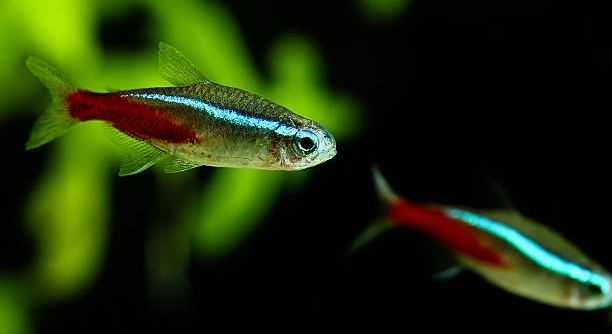
Tetras are popular freshwater fish known for their vibrant colors and peaceful nature. Many fish keepers enjoy adding them to their aquariums but often face challenges when introducing tetras properly. Ensuring a smooth transition helps maintain their health and vitality.
Proper acclimation of tetras involves gradually adjusting their environment to reduce stress and prevent shock. This process typically includes floating the bag in the tank, slowly mixing water, and monitoring temperature and water chemistry to align with the aquarium conditions.
Following clear steps for acclimating tetras improves their chances of thriving in a new tank. This guide will cover the essential actions to take for a successful introduction and long-term wellbeing.
Preparing the Tank Environment
Before introducing tetras, it is essential to prepare the tank environment carefully. The water parameters such as temperature, pH, and hardness should match the natural habitat of the tetras. A stable temperature between 72 and 78°F (22-26°C) is ideal, along with a pH of 6.0 to 7.5. Adjusting these conditions ahead of time reduces stress for the fish. The tank should be cycled properly, meaning beneficial bacteria have established to process waste. Clean decorations and plants provide hiding spots, which help the tetras feel secure. Avoid sudden changes in lighting or water flow. Making the tank a calm and stable environment sets the stage for a successful acclimation and helps the fish adjust more quickly.
A well-prepared tank creates a supportive environment where tetras can settle in comfortably, reducing stress and illness risk.
Properly managing water quality and tank conditions during and after acclimation will ensure tetras remain healthy and active for the long term.
Acclimation Process
Start acclimating tetras by floating the sealed bag in the aquarium for 15 to 20 minutes. This step equalizes the water temperature inside the bag with the tank. Afterward, open the bag and gradually add small amounts of tank water to it every 5 minutes. This helps the fish adjust to the chemical differences in the water. Continue this process for about 30 to 45 minutes. Avoid pouring the bag water directly into the tank to prevent contamination. Use a net to transfer the fish gently into the aquarium. Keep the tank lights dimmed for the first few hours to reduce stress. Monitoring the tetras closely during this time allows you to spot any signs of shock or illness early. This slow adjustment method is the most effective way to help tetras thrive in their new environment.
Monitoring Behavior and Health
Observing tetras closely after introduction is crucial. Watch for signs of stress, such as hiding, rapid gill movement, or lack of appetite.
Early signs of stress or illness include lethargy, clamped fins, or unusual swimming patterns. If any of these appear, check water quality immediately. Maintaining proper water parameters and performing regular partial water changes can prevent many health issues. Quarantining new fish before introduction also reduces disease risk. Healthy tetras will explore the tank and interact with other fish calmly. Addressing problems early improves survival rates and supports overall well-being.
Consistency in monitoring behavior helps identify problems quickly, allowing for timely intervention. This care ensures a stable environment where tetras can thrive and remain healthy.
Feeding After Acclimation
Begin feeding tetras lightly after they have settled, usually 12 to 24 hours post-introduction. Use small amounts of high-quality flakes or micro pellets suited to their size. Avoid overfeeding, as leftover food can degrade water quality quickly. Feed two to three times daily in small portions that the fish consume within a few minutes. Introducing a varied diet, including frozen or live foods, supports nutritional balance and vibrant coloration. Proper feeding encourages activity and growth, making the fish more resilient.
Maintaining a feeding routine that aligns with the tetras’ natural habits supports digestion and reduces stress. It also fosters social behavior and enhances their overall health in the aquarium.
Maintaining Water Quality
Regular water testing is essential to keep water parameters stable. Test for ammonia, nitrites, nitrates, and pH at least once a week.
Partial water changes of 20-25% weekly help remove toxins and maintain a healthy environment. Consistent maintenance supports tetra health and reduces stress.
Avoiding Stress Triggers
Limit sudden movements around the tank and avoid loud noises, which can startle tetras. Keep lighting soft, especially during acclimation.
Stress weakens the immune system, making tetras vulnerable to disease. A calm environment supports their well-being and encourages natural behavior.
Tank Mates
Choose peaceful species compatible with tetras. Avoid aggressive or much larger fish that may bully or eat them.
Long-Term Care
Consistent feeding, water quality, and monitoring ensure tetras live healthy, active lives.
How long does it take to acclimate tetras properly?
The acclimation process typically takes about 45 minutes to an hour. This time allows the fish to adjust slowly to the new water temperature and chemistry. Rushing this process increases stress and the risk of shock, which can harm or kill the fish. Floating the bag for temperature equalization and slowly mixing tank water are key steps that require patience.
Can I add tetras directly to the tank without acclimation?
Adding tetras directly without acclimation is not recommended. Sudden changes in water temperature, pH, or hardness can cause stress or shock. These abrupt changes often lead to illness or death. Proper acclimation helps the fish adjust gradually and improves their chances of survival in the new environment.
What water parameters are best for tetras?
Tetras thrive in water temperatures between 72°F and 78°F (22°C to 26°C). The ideal pH range is 6.0 to 7.5, with soft to moderately hard water. Stable conditions are more important than exact numbers. Frequent testing and maintaining these ranges help prevent stress and disease.
How often should I feed my tetras?
Feed tetras two to three small meals daily. Offer only as much food as they can eat in about two to three minutes. Overfeeding pollutes the water and can cause health issues. A balanced diet with flakes, micro pellets, and occasional live or frozen foods is best for their nutrition and coloration.
What signs indicate my tetras are stressed?
Signs of stress include hiding constantly, rapid or heavy breathing, clamped fins, loss of appetite, and erratic swimming. If these appear, check water quality immediately. Stress can also make tetras more susceptible to diseases, so early intervention is important.
Should I quarantine new tetras before adding them to my main tank?
Quarantining new fish for at least two weeks helps prevent the introduction of diseases into the main tank. It allows you to monitor their health and treat any illness before mixing them with established fish. Quarantine tanks should have stable conditions similar to the main aquarium.
Can tetras live with other fish?
Tetras are peaceful and do best with other non-aggressive species of similar size. Avoid housing them with large or aggressive fish that may bully or eat them. Suitable tank mates include other small community fish like rasboras, small gouramis, or peaceful catfish species.
What is the best way to introduce tetras to a community tank?
Introduce tetras during quieter times when the tank environment is stable. Acclimate them slowly, and keep tank lights dimmed for the first few hours after introduction. Observe their behavior to ensure they are adapting well without signs of aggression from other fish.
How can I prevent common diseases in tetras?
Maintain clean water, stable parameters, and a healthy diet to keep immune systems strong. Avoid overcrowding, and quarantine new fish. Watch for early signs of disease such as white spots, fin damage, or unusual behavior. Treat problems promptly with appropriate medications.
What should I do if a tetra dies shortly after introduction?
If a fish dies soon after introduction, test water quality immediately to check for harmful conditions. Review acclimation steps to ensure they were followed correctly. Remove the dead fish promptly and monitor remaining fish closely for signs of illness. Consider quarantining new fish in the future to reduce risk.
How important is lighting for tetras?
Moderate, stable lighting supports natural behaviors and coloration. Too much light can stress tetras, while too little may reduce their activity and color vibrancy. Use a timer to maintain a consistent day-night cycle, and dim lights during acclimation for a smoother transition.
Can I acclimate multiple tetras at once?
Yes, acclimating a group of tetras together in the same bag is common practice. Ensure the bag size is adequate to avoid overcrowding and oxygen depletion. Follow the same gradual acclimation steps for the group, slowly mixing tank water and controlling temperature changes.
Is it necessary to change water right after adding tetras?
Avoid major water changes immediately after introducing new fish, as this can cause additional stress. Instead, focus on maintaining good water quality through regular, smaller partial water changes after the fish have settled. This helps stabilize the environment without shocking the tetras.
How do I handle tetras safely during transfer?
Use a soft, fine-mesh net to gently move tetras from the bag to the tank. Avoid squeezing or handling the fish directly with hands to prevent injury or removing their protective slime coat. Be calm and slow in your movements to reduce stress during transfer.
What temperature should I keep the quarantine tank?
The quarantine tank should match the main tank’s temperature, generally between 72°F and 78°F (22°C to 26°C). Keeping a stable temperature reduces stress and allows for more accurate observation of fish health before introduction.
How long can tetras stay in the bag before acclimation?
Tetras can safely remain in the sealed bag for up to one hour if kept in a cool, shaded place. Beyond this time, oxygen levels decrease, and waste buildup can harm the fish. Plan the acclimation process soon after purchase to reduce risks.
What is the best diet for vibrant tetra colors?
A varied diet including high-quality flakes, micro pellets, and occasional live or frozen foods such as brine shrimp or daphnia enhances coloration. Proper nutrition supports health and makes the tetras’ natural colors stand out.
Can I acclimate tetras using the drip method?
Yes, the drip acclimation method is effective and gentle. It involves slowly dripping tank water into the container holding the fish over a longer period, typically an hour or more. This allows for gradual adjustment to water chemistry differences and minimizes stress.
How often should I clean the tank after adding new tetras?
Perform regular partial water changes weekly and clean the substrate as needed. Avoid deep cleanings immediately after adding fish to prevent disturbing beneficial bacteria. Consistent maintenance keeps water quality high and supports fish health.
What should I avoid during tetra acclimation?
Avoid sudden temperature changes, direct pouring of bag water into the tank, overcrowding during transfer, and exposing fish to bright lights or loud noises. Each can cause stress or injury, lowering the chances of successful acclimation.
Can tetras adapt to tap water directly?
Tap water often contains chlorine or chloramine, which are harmful to fish. Always treat tap water with a dechlorinator before use. Proper acclimation still requires gradual adjustment to chemical differences for the best results.
Properly acclimating tetras is a critical step to ensure their health and happiness in a new aquarium. Taking the time to adjust them slowly to the water temperature and chemistry helps reduce stress and prevents shock. A sudden change in environment can be harmful or even fatal, so following a clear acclimation process is essential. Preparing the tank beforehand with stable water parameters and suitable decorations also supports a smooth transition. Paying attention to details like temperature, pH, and water hardness will create a comfortable space for tetras to settle in.
After acclimation, maintaining water quality and monitoring the fish regularly are key to their long-term wellbeing. Testing for ammonia, nitrites, and nitrates ensures that the water remains safe. Consistent partial water changes help remove toxins and keep the environment clean. Watching for signs of stress or illness allows for early intervention. Feeding tetras small, balanced meals several times a day supports their nutrition and energy. Avoiding overfeeding prevents water pollution, which can lead to health problems. These ongoing efforts make a significant difference in the overall health and behavior of the fish.
Introducing tetras to a community tank requires careful selection of compatible tank mates and a calm environment. Peaceful species of similar size help create a balanced and less stressful aquarium. Quarantining new fish before adding them reduces the risk of disease spreading. Keeping the tank lighting moderate and avoiding loud noises will encourage natural behavior and reduce anxiety. By combining careful acclimation with good tank management and attention to fish health, tetras can thrive and bring vibrant color and life to any freshwater aquarium.

Hello,
If you enjoy the content that we create, please consider saying a "Thank You!" by leaving a tip.
Every little bit helps us continue crafting quality advice that supports the health, happiness, and well-being of pets around the world, for pets of all shapes, sizes, and species.
We really appreciate the kindness and support that you show us!