
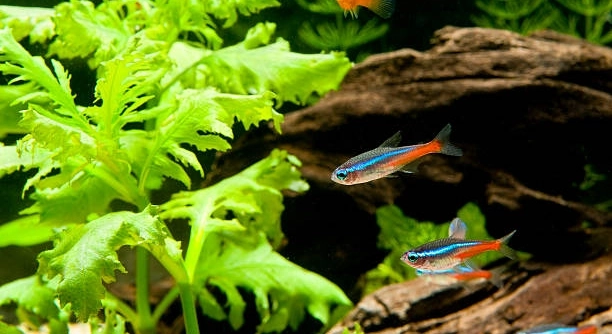
Have you ever set up the perfect tank and wondered if your tetra might be ready to breed? Spotting the signs early helps.
Tetra are ready to breed when specific physical and behavioral clues appear, such as rounder bellies, increased color vibrancy, and active courtship behavior. Observing these patterns closely can indicate readiness and help time the breeding process successfully.
Each clue can guide you in creating the best environment and increasing the chances of a successful spawn.
Clue 1: Females Have a Fuller Belly
Female tetra will start to look rounder as they prepare to breed. Their bellies swell slightly, especially when compared to the slimmer males. This fullness is due to the development of eggs inside their body. The change can happen gradually, so it’s important to observe them daily. A plumper belly that stands out from the rest of the body shape is often the first clear sign. While weight gain from overfeeding can look similar, breeding-related swelling tends to stay concentrated in the lower abdomen and is accompanied by other breeding behaviors.
This change is often subtle at first, but it becomes easier to notice when you compare a group of fish side by side.
Look closely at the shape of your female tetra during feeding times, when they tend to swim near the front of the tank. This helps you notice any growth and track the development of breeding conditions over several days.
Clue 2: Males Show Brighter Colors
As breeding time nears, male tetra become more colorful. Their scales may shine brighter, especially under aquarium lights.
These changes in color signal health and readiness. In the wild, brighter colors help males attract females by making them stand out. When conditions are right—warm, clean water and proper food—the colors become even more vivid. This is often most noticeable when males are chasing or displaying near females. The color intensity may vary based on the species of tetra, but the pattern is consistent. A male in peak breeding condition usually looks noticeably more vibrant than before. You may also see them flare their fins or swim in circles. All of this is meant to get the attention of a potential mate. If you notice one or more males getting brighter while also staying active and near females, it’s a strong sign they’re ready to breed soon.
Clue 3: Tetra Begin to Chase Each Other
Chasing behavior usually means breeding is near. Males often follow females closely, swimming fast in short bursts. It looks playful, but it’s part of courtship. This behavior becomes more frequent as the breeding stage approaches.
During this time, you may notice a few males focusing on a single female or taking turns following different ones. They stay near the female’s tail or sides, nudging gently or swimming tightly around her. This behavior is often paired with brighter coloring and active movement. It’s important not to confuse this with aggression—actual fighting is more aggressive and often includes nipping. In contrast, courtship chasing is quick, light, and repetitive. If this is happening in the tank, and your water conditions are stable, it’s a strong clue that your tetras are preparing to breed.
Watching their behavior closely helps you recognize patterns and tell the difference between normal activity and potential courtship. Keep the environment calm.
Clue 4: They Stay in Pairs More Often
When tetras are preparing to breed, they start forming short-term pairs. You’ll see certain males and females swimming close together for longer stretches than usual. This change in behavior usually appears a few days before spawning begins.
Once these pairs form, they often separate from the rest of the school. They hover near plants or shaded corners in the tank. Males will often stay a step behind the female, responding quickly to her movements. This behavior shows mutual interest and a growing readiness to spawn. It also helps lower stress for the pair when they’re not surrounded by other active fish. Keep an eye on where they spend time, especially near fine-leaved plants or breeding mops. These spots are often used for egg laying. If your tetras form visible pairs and linger in these areas, breeding could happen soon. Maintain calm conditions and avoid moving them unless necessary.
Clue 5: They Hover Near Plants or Spawning Surfaces
Tetras often gather near fine-leaved plants or spawning mops before breeding. These surfaces give them a safe place to lay eggs. If you see them circling or hovering close to the same area often, it’s a strong sign.
They may also nudge the leaves or lightly peck at them. This behavior suggests they’re checking for a good egg-laying spot. Some pairs return to the same place multiple times a day.
Clue 6: Activity Levels Increase Noticeably
As tetras prepare to breed, they become more energetic. Males dart around, follow females, and show more territorial movements. The whole tank can seem livelier. Females may swim faster too, especially when avoiding overly eager males. This increase in motion helps trigger spawning behaviors and keeps the pair active. You might notice this most right after feeding or when the tank lights come on. Active tetras also tend to eat more before breeding, so a healthy appetite can be another clue. Just make sure not to overfeed during this time. Watch for sudden, sharp movements and more frequent chases, especially if they’re happening in pairs or near plants.
Clue 7: Egg-Spawning Behavior Begins
When ready to spawn, the female releases eggs and the male immediately fertilizes them. This process happens fast and usually early in the day.
FAQ
How long does it take for tetras to be ready to breed after being introduced to a new tank?
Tetras typically need about two to four weeks to adjust to a new tank before showing breeding behavior. They need time to feel safe, settle into their environment, and adapt to the water conditions. If the tank is stable, warm (around 78°F), and includes plenty of hiding places and plants, they will start to show signs of pairing or increased activity after a couple of weeks. Feeding them high-protein foods like brine shrimp can also help speed up readiness. Be patient and avoid making big changes during this time.
Do all tetras breed in the same way?
Most tetras follow similar breeding behaviors, but some species have small differences. Neon, cardinal, and black skirt tetras all scatter eggs, often choosing plants or spawning mops. Others may prefer darker corners or dense plants. While the signs of readiness—like brighter colors and chasing—are common across types, specific tank setups may need to be adjusted based on the species. For example, some prefer dim lighting, while others may need slightly softer water. Always research your specific tetra type to get the best results and avoid stressing your fish.
Can I keep breeding tetras in a community tank?
It’s possible, but not ideal. In a community tank, eggs are likely to be eaten by other fish, including the parents. Tetras don’t guard their eggs, so a separate breeding tank increases the chance of survival. If you do try to breed them in a community setup, add dense plants or spawning mops to hide the eggs. Still, success rates are low in shared tanks. Moving the breeding pair to a small, bare-bottom tank with gentle filtration and spawning-friendly décor offers the best chance for fertilized eggs to hatch and grow safely.
How many eggs do tetras lay at once?
A female tetra can lay between 60 to 130 eggs in one breeding session, depending on her size and species. These eggs are scattered across plants or other surfaces. Not all will get fertilized, and many may not survive if not moved or protected quickly. You might not even see them unless you check carefully. They’re tiny and often clear or pale white. If you plan to raise the fry, it’s important to remove the adults right after spawning to prevent egg loss.
What should I feed tetras before breeding?
Before breeding, feed them high-protein live or frozen foods like brine shrimp, daphnia, or bloodworms. These foods help improve their energy and support egg development in females. Feed small amounts two to three times daily for about a week. Avoid overfeeding, as that can harm water quality. A well-fed pair is more likely to show bright colors, increased activity, and other breeding signs. Always pair a good diet with clean, stable water and consistent tank conditions.
How can I tell if the eggs are fertilized?
Fertilized tetra eggs usually look clear or lightly amber-toned. Unfertilized ones turn white and often get fungus quickly. You can spot the difference within a day. Using a flashlight at the tank’s side can help you see them better on leaves or glass. If many eggs turn white fast, it could mean the male wasn’t present or the water conditions weren’t right. Keeping the breeding tank clean and stable can raise your success rate.
Do tetras care for their babies?
No, tetras don’t care for their eggs or fry. In fact, they may eat them. That’s why breeders remove adults right after spawning. The eggs hatch in about 24 to 36 hours, depending on temperature. After hatching, the fry feed off their yolk sacs for another few days. Once they start swimming freely, they’ll need tiny foods like infusoria or specialized liquid fry food. Keep lighting dim, water clean, and avoid strong currents until they grow larger.
How often can tetras breed?
Tetras can breed every couple of weeks if they are healthy and well-fed, but frequent breeding may exhaust the female. It’s best to give them recovery time between spawns. Most breeders wait three to four weeks before trying again. Feeding well and keeping a consistent environment supports safe and successful breeding cycles.
Final Thoughts
Breeding tetras can be a simple and rewarding experience when you know what to look for. The clues are subtle at first—like fuller bellies, brighter colors, and chasing behavior—but once you’ve seen them a few times, they become easier to recognize. Watching your tetras closely each day helps you notice these changes. It also gives you a better understanding of how they interact when they’re ready to breed. Keeping your tank clean, warm, and well-maintained will support their health and encourage these behaviors naturally. Patience is important. Some fish take longer to show signs, especially in new environments.
It’s also helpful to prepare a separate breeding tank if you want to protect the eggs and raise the fry. Tetras don’t look after their young, so moving the adult fish after spawning can prevent eggs from being eaten. You don’t need anything fancy—just clean water, a soft sponge filter, and a few plants or a spawning mop. Even in a basic setup, the fry can thrive with the right care and food. Small steps like lowering the light, using high-protein foods before breeding, and avoiding sudden changes can make a big difference. The more stable your setup, the more likely your tetras will spawn successfully.
Learning these signs not only helps with breeding but also improves the overall care you give your fish. When you’re tuned into their patterns, it’s easier to notice stress, illness, or changes in behavior. Breeding is just one part of keeping tetras, but it offers a deeper connection and better understanding of their natural habits. It can also be fun to watch the tiny fry grow and take shape in their own tank. Over time, you’ll build confidence and may even want to try breeding other species. Whether you’re keeping just a few tetras or managing a larger group, being prepared and observing carefully is the best way to ensure success.

Hello,
If you enjoy the content that we create, please consider saying a "Thank You!" by leaving a tip.
Every little bit helps us continue crafting quality advice that supports the health, happiness, and well-being of pets around the world, for pets of all shapes, sizes, and species.
We really appreciate the kindness and support that you show us!