
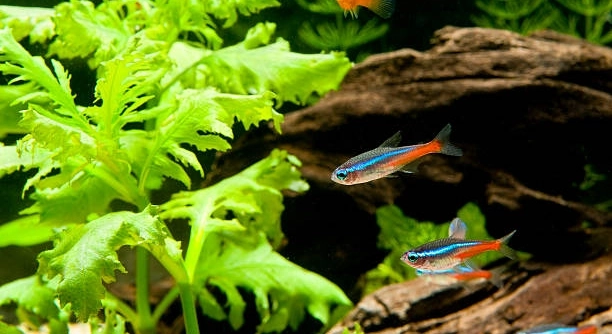
Do your tetras seem restless or more aggressive than usual, even though you’re feeding them well and keeping their water clean?
Tetras may become stressed or territorial when there aren’t enough hiding spots in their tank. A lack of shelter disrupts their natural behavior, increases anxiety, and can even lead to health issues due to chronic stress.
Learning the signs of an under-decorated tank can help you create a more peaceful and natural home for your tetras.
Your Tetras Are Chasing Each Other More Often
Increased chasing can be a sign of stress, especially in community tanks. Tetras are naturally social, but when they start darting around and chasing each other aggressively, it’s often because they’re anxious or feeling unsafe. In a tank without enough plants, caves, or decorations to break up space, more dominant fish may try to control open areas. This leaves others constantly trying to escape or hide. Over time, this constant motion creates a stressful environment, even for the more dominant ones. Adding hiding places like live plants, driftwood, or aquarium-safe rocks gives tetras places to rest and feel secure. It also helps break the line of sight between fish, reducing territorial behavior and conflict. A more structured tank mimics their natural habitat and allows them to feel more at ease.
Chasing is often misunderstood as play, but for tetras, it can mean they feel unsafe or exposed.
Creating a tank with more hiding places often reduces this chasing behavior. Once fish feel secure, their swimming becomes calmer, and they tend to interact more peacefully with tankmates. It’s also easier to spot individual personalities when everyone isn’t in constant flight mode. Less stress leads to better color and stronger immune systems.
They Hover Near the Corners or Surface
If your tetras are sticking to the tank corners or staying near the surface, they might not be feeling secure in their environment.
In nature, tetras often use dense plants, roots, and shaded areas for safety. A tank without these features can leave them feeling exposed. When tetras don’t feel protected, they may avoid the open middle area of the tank and stay near the surface or corners instead. These are spots where they feel less visible and more protected. Over time, this behavior can lead to poor social interaction, stress, and even loss of appetite. Some may start to isolate themselves completely. Providing more shelter through plants like java fern, water sprite, or tall artificial plants can help. When they have enough coverage, tetras are more likely to explore, swim confidently, and interact in natural schooling patterns. Observing them actively using the whole tank space is a good sign that they feel safe and at ease.
Their Colors Look Faded or Dull
Faded colors in tetras often mean they’re stressed. Stress can come from poor water quality, bad diet, or lack of shelter. Without enough hiding spots, they feel exposed and unsafe, which affects their overall health and appearance.
When tetras feel secure, their colors become more vibrant. A well-decorated tank with plants, rocks, and driftwood gives them places to retreat and rest. This reduces stress and supports their immune system. Bright lighting without shaded areas can also make them feel uncomfortable, leading to color loss. Try adding floating plants or using dimmer lights to create a more natural look. The more comfortable they feel, the better they will look. Color in tetras isn’t just for beauty—it’s a sign of health and comfort. If you notice dullness, hiding places may be the missing piece to help restore their natural shine and balance in the tank.
Color changes don’t happen instantly. Once the tank setup is improved, it might take a few days or even weeks to see brighter colors return. During this time, it’s helpful to keep their environment consistent. Avoid sudden changes in lighting, noise, or temperature. The goal is to help them feel safe and establish a routine. Consistent care helps bring out their best colors naturally.
You Rarely See Them Schooling
Schooling is how tetras feel safe and communicate. When they don’t school together often, it could mean they’re nervous or feeling vulnerable in the tank. A lack of cover may keep them scattered and unsure of where to go.
Tetras naturally school when they feel secure. In tanks with few hiding spots, they often break away from the group, staying close to corners or decorations. This behavior is a sign of stress, and over time, it affects their health. Adding more hiding places like tall plants, rock formations, or driftwood changes the layout of the tank. It gives the fish comfort and a sense of structure. This layout lets them form tighter groups and move with more confidence. Schooling not only helps them feel protected but also makes the tank look more lively and balanced. Once the space feels safe, tetras will return to their natural social behavior.
They Hide Behind the Filter or Heater
When tetras don’t have proper shelter, they may crowd behind the filter or heater. These spots offer shade and cover, even though they aren’t meant for resting.
This behavior shows they’re trying to escape bright light or tankmates. Adding plants or decorations can give them safer, better hiding areas.
They Start Nipping at Other Fish
Tetras may nip when they feel anxious or boxed in. In a tank with too much open space and not enough shelter, stress builds. This stress can lead to aggression, especially if there’s no structure to break up sightlines. More hiding areas help reduce tension. When fish feel secure, they’re less likely to lash out. Adding plants, rocks, or even small caves spreads out territories and gives everyone space to retreat. This helps keep interactions peaceful. Over time, you’ll notice calmer behavior, better swimming patterns, and healthier tank dynamics. Nipping often fades as the tank becomes more balanced and less stressful for your tetras.
They Only Swim Near the Bottom
When tetras feel exposed, they may stay near the bottom for safety. This behavior often means they don’t feel comfortable in the open. More cover encourages them to explore the full tank.
FAQ
How many hiding spots should a tetra tank have?
A good rule is to provide at least one hiding place per fish, especially in a community tank. For a group of six tetras, aim for six or more small hiding areas. These don’t need to be caves—plants, rocks, and decorations that block sightlines all help. Use a mix of tall and low items to create layered coverage. This variety lets fish choose where they feel safest. The goal is to reduce competition for shelter and make sure each fish has a space to retreat when needed. Hiding places also encourage natural behavior and reduce stress.
Can too many hiding spots stress out my tetras?
Not usually. As long as the tank still has open swimming space, extra cover is more helpful than harmful. Tetras like structure. It mimics their natural habitat and makes them feel secure. However, avoid filling the tank so much that they have no room to swim freely. A balanced layout—with clustered plants or decorations around the edges and open space in the center—works best. If your fish seem less active, you may have overdecorated a bit. In that case, adjust the setup by opening some space while still keeping multiple hiding areas available.
Do hiding spots help with breeding behavior?
Yes. If you’re trying to encourage spawning, hiding places are essential. Tetras tend to scatter their eggs, and dense cover like moss, plants, or spawning mops gives eggs a chance to survive without being eaten. Males also become less aggressive when there are more visual barriers. A peaceful, low-stress tank encourages courtship behavior, while also giving females a break if needed. Even if you’re not actively breeding your tetras, these hiding spots can prevent unnecessary stress during the breeding cycle and protect weaker fish during this time.
What types of decorations work best as hiding spots?
Aquarium-safe driftwood, live or artificial plants, smooth stones, and resin caves are great options. Try to use a variety of textures and sizes. Tall plants like water wisteria or Amazon swords create vertical cover, while bushy plants like hornwort provide shelter at different levels. Rocks and driftwood can be arranged to form small tunnels or shaded areas. Just make sure all pieces are smooth and free of sharp edges. Avoid plastic plants with hard tips, as these can tear fins. Decorations should always be cleaned before adding to the tank.
Why are my tetras still acting stressed after adding hiding spots?
It can take time for fish to adjust to a new setup. If your tetras are still hiding or acting nervous, give them a few days to settle in. Keep lighting soft and avoid loud noises or tank movement during this time. Also check water quality—ammonia, nitrite, and pH levels all affect their mood and health. If your setup seems right but they still aren’t improving, observe tankmates. Sometimes, it’s not the tank layout but aggression from other fish that keeps them stressed. A calm environment and consistent care help build confidence.
Can hiding spots affect how I clean the tank?
Yes, but only slightly. More decorations can trap debris or uneaten food, which means you’ll need to vacuum around them during water changes. Try to arrange your tank so you can still reach the bottom areas with a siphon. If you notice waste building up, it might help to rearrange the decorations for better flow. Live plants can actually reduce the need for deep cleaning since they absorb some waste. As long as you’re doing regular maintenance, extra hiding places won’t cause problems. In fact, they often support healthier water conditions by reducing fish stress.
Final Thoughts
Creating a comfortable and natural environment for your tetras doesn’t have to be complicated. Hiding places are an important part of any well-balanced tank. They help reduce stress, prevent aggressive behavior, and allow fish to feel safe. When tetras feel secure, they become more active, show better color, and interact more naturally with each other. Decorations, plants, and structure in the tank are not just for looks—they have a real impact on your fish’s well-being. A bare tank might seem clean or simple, but for tetras, it can feel empty and unsafe. Giving them places to rest and hide supports a healthier and calmer space.
You don’t need expensive decorations to make a difference. Even simple changes, like adding a few live or artificial plants, smooth rocks, or pieces of driftwood, can help. Floating plants are also a good option for creating shaded areas. If your tetras are acting nervous, hiding in corners, or chasing each other more than usual, it’s likely that they need more shelter. Watching your fish after you make changes can tell you a lot. If they start using the new hiding spots, swimming more confidently, or showing brighter colors, it’s a clear sign that your setup is improving their comfort. Small updates in your tank layout can go a long way.
Always pay attention to how your tetras behave day to day. Each fish is a little different, and tank conditions may need adjusting over time. Things like tank size, number of fish, lighting, and water quality also matter. But even in ideal conditions, a lack of hiding places can cause unnecessary stress. Think of it as giving your fish the choice to be seen or to rest without being disturbed. That balance between open space and cover is what makes a tank feel safe. Whether you’re new to fishkeeping or have been doing it for years, providing proper shelter is one of the simplest ways to support your tetras’ health and happiness.

Hello,
If you enjoy the content that we create, please consider saying a "Thank You!" by leaving a tip.
Every little bit helps us continue crafting quality advice that supports the health, happiness, and well-being of pets around the world, for pets of all shapes, sizes, and species.
We really appreciate the kindness and support that you show us!