
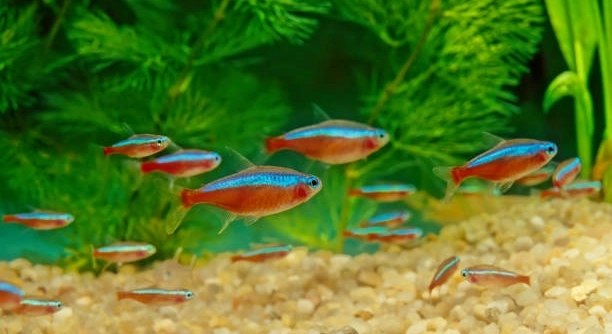
Neon tetras are popular aquarium fish known for their bright colors and peaceful nature. Many fishkeepers notice changes in their appearance, like stress stripes, which can be concerning. Understanding what causes these stripes is important for their care.
Stress stripes in neon tetras are caused by factors such as poor water quality, sudden changes in environment, overcrowding, improper diet, illness, aggression from tank mates, and inadequate hiding spots. These stressors impact the fish’s health and appearance.
Knowing these common causes helps fishkeepers maintain a healthy and comfortable environment for their neon tetras, ensuring they stay vibrant and stress-free.
Poor Water Quality
Maintaining clean water is crucial for neon tetras. Dirty or polluted water stresses the fish and causes stress stripes to appear. Ammonia, nitrites, and nitrates can build up quickly if the tank isn’t properly cycled or cleaned. These chemicals are toxic to neon tetras and affect their overall health. Regular water testing helps catch problems early. Frequent water changes and a good filtration system keep the environment safe. When water quality declines, neon tetras may lose their vibrant colors and develop stress stripes as a sign of discomfort. It’s important to monitor water parameters like pH, temperature, and hardness, which should be stable and within ideal ranges for neon tetras. Avoid overfeeding, which also leads to water pollution. Keeping water clean supports the fish’s immune system and prevents disease, allowing them to thrive without showing signs of stress.
Poor water quality weakens neon tetras and often leads to stress stripes as an early warning.
Careful water maintenance keeps neon tetras healthy and colorful. Regular testing, changing 20-30% of the water weekly, and avoiding overcrowding all improve water conditions. Filtration removes waste and toxins, while stable temperature and pH reduce stress. Monitoring water quality helps prevent stress stripes before they appear, improving the fish’s lifespan and happiness. Paying attention to these details gives neon tetras a better chance to stay healthy and bright.
Sudden Changes in Environment
Neon tetras are sensitive to rapid changes in their surroundings, which can trigger stress stripes. Moving the tank or adding new fish suddenly can cause stress. Changes in lighting, temperature, or water chemistry also disturb them. Neon tetras need time to adjust gradually. Sudden shifts in temperature or water parameters shock their system and reduce their immunity. This can result in visible stress markers like stripes and faded color.
Slowly acclimating neon tetras to any changes in their tank environment is essential to avoid stress. For example, new water should be added gradually over several hours, not all at once. Introducing new fish in quarantine before adding them to the main tank prevents aggression and stress. Keeping the tank stable in temperature and lighting also supports a peaceful habitat. Avoid rearranging decorations too often. A calm and steady environment prevents stress stripes and keeps neon tetras comfortable and secure.
Overcrowding in the Tank
Too many fish in one tank create stress for neon tetras. Overcrowding reduces oxygen levels and increases waste, making the environment uncomfortable. Neon tetras need enough space to swim freely and hide when needed to stay healthy.
When a tank is overcrowded, neon tetras compete for food and space, causing stress. Constant competition leads to aggression and poor health. High waste levels from many fish cause water quality to drop faster. This creates a cycle of stress that can cause stripes to appear. Proper tank size and population control help prevent these issues. A general rule is one gallon of water per inch of fish length, but neon tetras do best in groups of at least six in a tank of 10 gallons or more.
Providing enough space and avoiding overcrowding keeps neon tetras peaceful and vibrant. A spacious tank supports their natural behavior and reduces stress, preventing stress stripes from forming.
Improper Diet
Feeding neon tetras the wrong food can lead to stress and stress stripes. A poor diet weakens their immune system and causes health problems. Neon tetras require a balanced diet rich in protein and nutrients to stay strong.
A diet lacking in essential vitamins and minerals causes neon tetras to lose their bright colors and develop stress stripes. Flakes and pellets designed for tropical fish work well but should be supplemented with frozen or live foods like brine shrimp or daphnia. Overfeeding or feeding only one type of food can cause digestive issues and water pollution, further stressing the fish. A varied diet helps maintain their health and natural coloration.
Regular feeding with balanced nutrition supports neon tetras’ well-being and helps them resist stress. A proper diet is key to preventing the appearance of stress stripes and ensuring they live longer, healthier lives.
Illness and Disease
Neon tetras often show stress stripes when they are sick. Common illnesses include bacterial infections and parasites. Early detection is important to prevent worsening health.
If illness goes untreated, stress stripes become more visible as the fish weakens. Quarantine sick fish and seek proper treatment immediately to protect the whole tank.
Aggression from Tank Mates
Aggressive fish in the tank cause neon tetras to feel threatened. This stress leads to visible stripes and fading colors. Keeping peaceful tank mates reduces stress.
Lack of Hiding Spots
Neon tetras need places to hide to feel safe. Without enough hiding spots, they stay exposed and stressed, which can cause stress stripes to appear.
FAQ
What do stress stripes look like on neon tetras?
Stress stripes usually appear as dark horizontal lines running along the body of neon tetras. These lines are not part of their normal coloring and can make the fish look dull or faded. The stripes become more visible when the fish is stressed or unhealthy.
How long do stress stripes last?
Stress stripes can last for several hours to days, depending on the cause of stress. If the issue is fixed quickly, such as improving water quality or reducing aggression, the stripes may fade. However, prolonged stress or illness can cause them to persist longer.
Can stress stripes harm my neon tetras?
Stress stripes themselves are not harmful, but they indicate that the fish is under stress, which can weaken its immune system. If the cause is not addressed, stress can lead to illness or death. Treating the root cause is important for the fish’s health.
How can I prevent stress stripes from appearing?
To prevent stress stripes, maintain stable water conditions, avoid overcrowding, feed a balanced diet, and keep peaceful tank mates. Providing hiding spots and minimizing sudden changes in the environment also helps keep neon tetras calm and healthy.
Is it normal for neon tetras to show stress stripes sometimes?
It is common for neon tetras to show stress stripes occasionally, especially when introduced to a new tank or environment. If stress is temporary and conditions improve, the stripes will usually disappear. Persistent stripes indicate ongoing issues.
Do stress stripes mean my neon tetra is sick?
Not always. Stress stripes can show up due to environmental stress or discomfort without illness. However, if stripes come with other symptoms like lethargy, loss of appetite, or abnormal swimming, illness might be involved and should be checked.
What should I do if my neon tetra has stress stripes?
Check water quality first and correct any issues. Make sure the tank is not overcrowded and the temperature is stable. Remove aggressive tank mates if possible. Improve diet and add hiding places. If signs persist, consider consulting a vet or aquarium specialist.
Can stress stripes be caused by water temperature?
Yes, sudden changes or extremes in water temperature stress neon tetras and can cause stress stripes. Maintaining a consistent temperature between 72°F and 78°F (22°C–26°C) is ideal. Avoid rapid fluctuations that can shock the fish.
Are stress stripes reversible?
Stress stripes can be reversible if the cause of stress is removed quickly. Improving tank conditions and reducing stress factors usually help the fish regain normal coloring within a few days.
Do neon tetras recover faster with quarantine?
Quarantining new or sick neon tetras helps prevent the spread of disease and reduces stress from aggressive tank mates. It allows better monitoring and treatment, improving chances for recovery and reducing stress stripe appearance.
Final thoughts on stress stripes in neon tetras highlight the importance of paying close attention to their environment and care. Stress stripes are a clear sign that something in the tank is not quite right. They tell us that the fish are feeling uncomfortable or unsafe. While these stripes are not harmful by themselves, they signal underlying problems that need to be addressed. Proper care and a stable environment are key to preventing stress and keeping neon tetras healthy and colorful.
Understanding the causes of stress stripes helps avoid common mistakes in fishkeeping. Poor water quality, overcrowding, and sudden changes in the tank can quickly cause stress. Feeding the right food and keeping peaceful tank mates also play a big role. Neon tetras are small and delicate fish that rely on consistent conditions. By providing clean water, enough space, and hiding spots, you give them the best chance to thrive. Regular monitoring of water parameters and observing the fish’s behavior can help catch problems early before stress stripes appear.
It is important to act promptly when stress stripes show up. Improving water quality, adjusting the tank setup, and ensuring the fish have a balanced diet can reduce stress. Sometimes, isolating sick or aggressive fish helps protect the group. Patience is also necessary because neon tetras need time to recover and regain their bright colors. Consistency in care prevents future stress and helps maintain a peaceful aquarium. Paying attention to these details will lead to a happier, healthier tank where neon tetras can display their natural beauty without stress.

Hello,
If you enjoy the content that we create, please consider saying a "Thank You!" by leaving a tip.
Every little bit helps us continue crafting quality advice that supports the health, happiness, and well-being of pets around the world, for pets of all shapes, sizes, and species.
We really appreciate the kindness and support that you show us!