
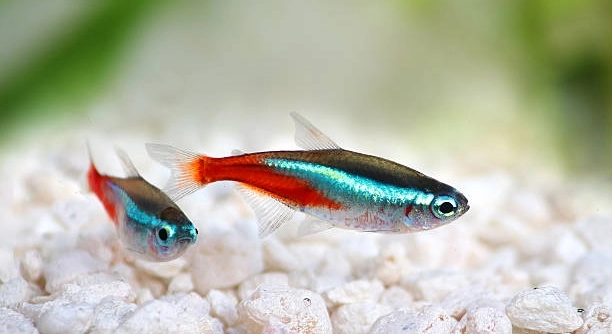
Tetras are popular freshwater fish often kept in home aquariums. Many owners want to provide a varied diet that supports their health and well-being. Vegetables can be a part of this diet, but knowing which ones are safe is important.
Tetras can eat certain vegetables, but their diet should mainly consist of high-quality flakes or pellets. Vegetables like spinach, zucchini, and peas can be offered occasionally to provide fiber and nutrients without causing digestive issues.
Including vegetables in your tetra’s diet can improve their overall health and add variety to their meals. The following options will help you choose the best vegetables to try.
Why Vegetables Are Beneficial for Tetras
Vegetables add essential nutrients that are often missing from commercial fish food. They provide fiber, which aids digestion and helps prevent constipation in tetras. Offering vegetables occasionally can also improve their immune system, keeping them healthier over time. While protein is crucial for tetras, adding plant matter balances their diet. It’s important to introduce vegetables slowly and in small amounts to avoid upsetting their digestive system. Preparing vegetables by blanching or steaming makes them easier to digest and safer for your fish. Some vegetables contain vitamins and minerals that support vibrant colors and active behavior. Providing variety in their diet helps prevent boredom, which can improve overall well-being. Always remove uneaten vegetables after a few hours to prevent water contamination. Keeping the tank clean is essential when feeding fresh foods. Vegetables are not a replacement for quality fish flakes or pellets but a useful supplement.
Vegetables help support tetras’ digestion, immune system, and overall health when fed properly and in moderation.
Adding vegetables thoughtfully can improve your tetra’s vitality without risking water quality or digestive upset.
Safe Vegetables for Tetras to Eat
Spinach is a great choice as it’s soft and packed with nutrients. Blanch it before feeding to soften the leaves. Peas are also beneficial, especially for preventing constipation; remove the skin and cut them into small pieces. Zucchini provides fiber and is easy to digest once cooked. Cucumbers are hydrating and gentle on their digestive systems, but they should be peeled to avoid tough skins. Carrots can be given sparingly and should be finely grated or steamed to soften. Avoid vegetables with high acidity or strong flavors, as these may upset your fish. It’s always good to observe your tetras after introducing a new vegetable to ensure they tolerate it well. Variety is key but keep portions small to maintain a healthy balance.
Offering a variety of vegetables in small, prepared portions helps keep tetras healthy and happy without overwhelming their digestive systems.
Preparing Vegetables for Tetras
Vegetables need to be softened before feeding to prevent digestive issues. Boiling or steaming for a few minutes works well.
Blanching vegetables like spinach or zucchini softens them and removes harmful bacteria. After boiling, let them cool and cut into tiny pieces to make it easier for tetras to eat. Avoid adding seasoning or oils, as these can harm the fish. Always remove any leftover vegetables after feeding to keep the tank clean and prevent water quality problems. Proper preparation helps your fish enjoy the vegetables safely without discomfort.
Feeding prepared vegetables occasionally is a good way to add nutrients and variety without risking digestive upset or tank contamination.
How Often to Feed Vegetables to Tetras
Vegetables should be fed sparingly, about once or twice a week. Too much plant matter can upset their digestion or pollute the tank. Start with small amounts to see how your tetras respond. If they accept the vegetable and show no signs of stress or illness, you can continue occasional feeding. Use vegetables as a supplement, not the main part of their diet. Most of their nutrition should come from quality flakes or pellets formulated for tropical fish. Proper feeding frequency supports health while maintaining tank cleanliness.
Feeding vegetables occasionally ensures tetras get extra nutrients without risking digestive issues or water quality. Moderation is key to keeping them healthy and active.
Signs Your Tetra Enjoys Vegetables
If your tetra nibbles on vegetables eagerly, it’s a good sign they enjoy them. Watch for active feeding behavior and interest.
Healthy digestion and bright colors also indicate that vegetables are benefiting your fish. If they ignore the food or show signs of distress, adjust the diet accordingly.
Vegetables to Avoid for Tetras
Certain vegetables can cause digestive problems or harm tetras. Avoid onions, garlic, and raw potatoes, as these can be toxic. Also, skip citrus fruits and anything with strong acidity. These can irritate your fish and upset the tank’s balance. Stick to mild, easy-to-digest options for best results.
Storing Vegetables for Fish Food
Store fresh vegetables in the fridge to keep them from spoiling. Use airtight containers or bags to maintain freshness. Prepare only small amounts at a time to reduce waste and avoid feeding spoiled food to your fish.
Final Tips for Feeding Vegetables
Always remove uneaten vegetables promptly to protect water quality. Monitor your tetras’ reaction to new foods and adjust accordingly to keep them healthy.
FAQ
Can tetras eat raw vegetables?
Tetras should not eat raw vegetables directly. Raw vegetables are often too tough for them to digest and can cause digestive problems. It’s best to blanch or steam vegetables to soften them before feeding. This process also removes bacteria that might harm your fish. Raw vegetables may also pollute the tank faster if uneaten, so preparing them properly helps maintain water quality.
How much vegetable should I feed my tetras?
Vegetables should be fed sparingly, usually once or twice a week. Offer only a small pinch or a few tiny pieces per feeding. Overfeeding vegetables can lead to digestive upset and excess waste in the tank, which harms water conditions. Remember, vegetables are a supplement—not the main diet. The majority of your tetras’ nutrition should come from quality flakes or pellets.
Are frozen vegetables okay for tetras?
Frozen vegetables can be safe if thawed and prepared correctly. Avoid feeding them frozen straight out of the freezer because the cold temperature can stress your fish. Thaw vegetables fully and blanch or steam if needed to soften them. Frozen peas, spinach, and zucchini are commonly used and convenient options for feeding tetras. Always ensure no added salt or seasoning is present.
Can vegetables replace flakes or pellets?
Vegetables cannot replace flakes or pellets in a tetra’s diet. Commercial fish food is specially formulated to provide all essential nutrients fish need. Vegetables only add fiber and some vitamins but lack necessary protein and fats. Feeding only vegetables will cause nutritional deficiencies over time. Use vegetables as occasional treats or supplements to a balanced diet.
What vegetables should I avoid feeding my tetras?
Avoid onions, garlic, raw potatoes, citrus fruits, and anything with strong acidity or bitterness. These can irritate or harm your tetras. Also, avoid tough or waxy-skinned vegetables, as these are hard to digest. Stick to mild, soft vegetables like spinach, peas, zucchini, and cucumber. Always observe your fish after introducing a new vegetable to catch any adverse reactions.
How do I know if vegetables are causing problems?
Signs of problems include loss of appetite, lethargy, bloating, or abnormal swimming behavior. If you notice leftover vegetables rotting in the tank or water becoming cloudy, it could also indicate overfeeding or poor preparation. In such cases, stop feeding vegetables and focus on quality flakes or pellets. Clean the tank regularly to maintain good water quality.
Can baby tetras eat vegetables?
Baby tetras primarily need protein for growth, so their diet should focus on high-quality fry food or tiny live foods. Vegetables can be introduced slowly once they grow larger and can handle more varied food. Always make sure vegetables are finely chopped or pureed for smaller fish to avoid choking or digestion issues.
Is it safe to feed vegetables every day?
Feeding vegetables daily is not recommended. Too much plant matter can upset digestion and increase waste buildup in the tank. Stick to feeding vegetables once or twice weekly to maintain balance. This helps keep tetras healthy and the aquarium clean.
How do I prepare peas for tetras?
Peas should be boiled or steamed until soft. Remove the outer skin, as it is hard to digest and can cause constipation. Cut peas into small pieces or mash them lightly. This makes them easier for tetras to eat and digest. Peas are great for relieving constipation and adding fiber to the diet.
Can vegetables improve my tetra’s color?
Certain vegetables contain vitamins and nutrients that can enhance your tetra’s natural colors. Spinach and zucchini, for example, provide vitamins A and C, which support skin and scale health. However, vibrant color mainly depends on genetics and overall diet quality. Vegetables alone won’t change color dramatically but can help maintain brightness when combined with balanced nutrition.
What if my tetras don’t eat the vegetables?
If your tetras ignore vegetables, try offering different types or smaller pieces. Some fish need time to adjust to new foods. Mixing tiny vegetable bits with their regular flakes can encourage acceptance. If they still refuse, don’t force it—focus on high-quality commercial food to meet their nutritional needs.
Can feeding vegetables cause water quality issues?
Yes, uneaten vegetables left in the tank can rot and pollute the water, leading to poor conditions and possible illness. Always remove leftover food within a couple of hours of feeding. Keeping a clean tank and feeding small portions help prevent water quality problems.
Are leafy greens better than root vegetables?
Leafy greens like spinach and lettuce are easier to digest and generally safer for tetras. Root vegetables such as carrots can be fed occasionally but need to be cooked and finely grated. Leafy greens also contain more vitamins beneficial for fish health. Balance both types in small amounts for variety.
How do I introduce vegetables to my tetras?
Start by offering very small amounts once a week. Watch for their reaction and digestion. Gradually increase the amount if they accept it well. Remove uneaten food quickly to avoid tank contamination. Always combine vegetables with a staple diet of quality flakes or pellets.
Can vegetables cause constipation in tetras?
Improperly prepared vegetables or feeding too much can cause constipation. Peas are a common remedy because they contain fiber that helps clear blockages. Ensure vegetables are soft and skinless to reduce this risk. Monitor your fish’s digestion regularly.
What is the best way to feed vegetables to a group of tetras?
Scatter small vegetable pieces evenly across the tank to give all fish a chance to eat. Use tweezers or a feeding stick to place the food gently. Feed in small amounts to prevent leftover waste. Observing feeding behavior helps adjust portions accordingly.
Tetras benefit from a balanced diet that primarily includes high-quality flakes or pellets designed for their nutritional needs. Vegetables can be a helpful supplement when given occasionally and in small amounts. They provide fiber, vitamins, and minerals that support digestion and overall health. However, vegetables should never replace the main diet because tetras require protein and fats that plant matter alone cannot provide. Introducing vegetables properly—by softening and cutting them into small pieces—helps prevent digestive issues and makes feeding safer for your fish.
It’s important to feed vegetables in moderation, usually once or twice a week, to avoid water contamination and digestive upset. Overfeeding plant matter can lead to uneaten food in the tank, which quickly deteriorates water quality and may harm your fish. Always remove leftover vegetables after feeding and maintain a clean tank environment. Observing your tetras’ behavior and health after introducing new foods is essential. If any signs of stress, bloating, or unusual swimming appear, it may be necessary to adjust their diet and consult further resources. Vegetables like spinach, peas, zucchini, and cucumber are generally safe options when prepared properly.
Including vegetables thoughtfully in your tetra’s diet adds variety and some nutritional benefits without risking their health or aquarium environment. While not all tetras may immediately accept vegetables, patience and small portions often encourage them to try these new foods. Maintaining a consistent feeding schedule with a focus on quality commercial food, supplemented by occasional vegetables, supports your fish’s well-being and longevity. Proper preparation, feeding frequency, and observation help create a balanced diet that contributes to vibrant, active tetras in a healthy aquarium.

Hello,
If you enjoy the content that we create, please consider saying a "Thank You!" by leaving a tip.
Every little bit helps us continue crafting quality advice that supports the health, happiness, and well-being of pets around the world, for pets of all shapes, sizes, and species.
We really appreciate the kindness and support that you show us!