
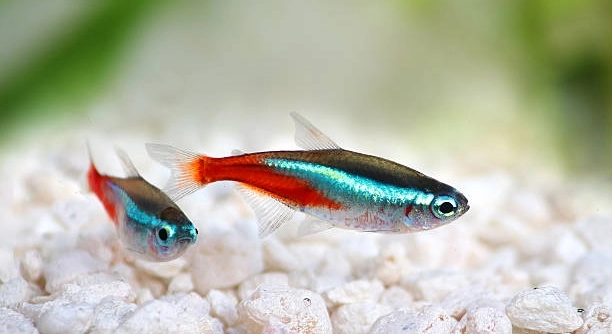
Keeping a tetra fish tank balanced is important for the health of your fish. Overcrowding can cause stress, poor water quality, and diseases. Many aquarium owners face challenges managing the number of tetras in their tanks.
Preventing overcrowding involves controlling the number of fish, maintaining proper tank size, and ensuring adequate filtration. Regular monitoring and careful planning help create a healthy environment that supports fish well-being and growth.
This article will provide practical steps to maintain an ideal tetra population and promote a thriving aquarium.
Choose the Right Tank Size
Choosing the right tank size is the first step to prevent overcrowding your tetra tank. Tetras are small, but they need enough space to swim and grow. A general rule is to allow one gallon of water per inch of fish. For example, if you have five tetras that are about two inches long, a 10-gallon tank would be the minimum size. Larger tanks provide more stable water conditions and reduce stress among the fish. Smaller tanks quickly fill up with waste, which can harm your tetras. It is better to invest in a slightly larger tank than to squeeze too many fish into a small one. Proper space also helps reduce aggressive behavior and keeps the fish active and healthy.
A bigger tank gives your tetras room to move freely and keeps the water cleaner for longer periods.
Water quality can drop quickly in smaller tanks, making larger tanks easier to maintain and healthier for fish overall.
Maintain Proper Filtration
Good filtration is key to managing tank overcrowding. Filters remove harmful waste and keep the water clear. When you have more tetras, the waste produced increases, so the filter needs to handle the extra load. It is important to select a filter rated for your tank size or larger. Clean the filter regularly but avoid washing it with tap water, which can kill beneficial bacteria. These bacteria help break down toxins and keep the tank environment stable. A strong, well-maintained filter supports fish health by keeping ammonia and nitrate levels low. Without proper filtration, overcrowding can quickly lead to water quality problems and illness.
Filters are necessary for a clean and safe environment when keeping multiple fish.
To ensure your filtration system works effectively, start with a filter designed for tanks bigger than yours. This gives you room to add more fish without risking poor water quality. Monitor your water parameters regularly using test kits to check ammonia, nitrites, and nitrates. If any levels are high, perform partial water changes immediately to prevent health issues. Additionally, consider using biological filtration media that supports beneficial bacteria growth. Mechanical filtration removes debris and uneaten food, so cleaning this part regularly is important. Combining these methods will create a balanced environment where your tetras can thrive even as their numbers grow. Proper filtration takes some effort but is essential to avoid overcrowding problems and keep your fish healthy.
Monitor Fish Population Regularly
Keeping track of how many tetras are in your tank helps avoid overcrowding. Fish can reproduce quickly, and new babies add to the population. Regularly counting your fish allows you to act before the tank gets too crowded. It also helps you notice any sick or stressed fish early.
When the number of tetras starts to grow, consider whether your tank can handle the extra fish. If it feels cramped or the fish seem stressed, it may be time to move some to another tank or reduce the population. Overcrowding can lead to poor water quality and increased disease risk. Regular monitoring is a simple habit that keeps your tank balanced and your tetras healthy.
Use a fish net or a clear container to gently catch and count your tetras without stressing them. Write down the numbers to track changes over time. This routine helps you plan better care and ensures your fish live comfortably.
Provide Proper Nutrition and Feeding
Feeding your tetras the right amount of food is crucial to their health. Overfeeding can cause leftover food to decay, which harms water quality and encourages algae growth. Feed small amounts two to three times daily and remove any uneaten food after a few minutes.
Balanced nutrition helps tetras grow strong and resist disease. High-quality flakes, frozen or live foods provide the necessary vitamins and minerals. Avoid overfeeding, which can worsen overcrowding problems by polluting the tank. Maintaining a proper feeding routine supports a healthy environment and helps keep your fish active and vibrant.
Avoid Mixing Species with Different Needs
Mixing tetras with other fish that have different space or care requirements can increase tank stress. Different species may compete for food or territory, leading to overcrowding effects even if the total number seems low. Keeping similar species together helps maintain balance.
When tank mates have varying needs, it can be harder to manage water quality and feeding. Stick to compatible fish that share similar behaviors and environmental needs to reduce stress and overcrowding risks.
Perform Regular Water Changes
Changing 20-25% of the water weekly helps keep the tank clean. Regular water changes remove toxins and refresh oxygen levels, which supports fish health and prevents overcrowding issues from worsening.
Create Hiding Spots
Adding plants, rocks, or decorations gives tetras places to hide. Hiding spots reduce stress and aggression, which helps fish feel secure even in a crowded tank.
FAQ
How many tetras can I keep in one tank?
The general rule is one gallon of water per inch of fish. For example, if your tetras are about two inches long each, you should have at least two gallons of water per tetra. This helps provide enough swimming space and keeps water quality stable. Smaller tanks with many fish often lead to overcrowding problems, causing stress and poor health. It’s better to have fewer fish in a larger tank than many fish in a small one.
What happens if my tank is overcrowded?
Overcrowding leads to poor water quality because fish produce waste faster than the tank can process. This causes toxic chemicals like ammonia and nitrites to build up, which harm the fish. Overcrowded tanks also increase stress, making fish more vulnerable to diseases and aggression. You might notice lethargy, loss of appetite, or unusual behavior. Overcrowding affects all fish in the tank, not just tetras, so maintaining proper numbers is important.
How often should I clean my tank to avoid overcrowding issues?
Cleaning frequency depends on tank size and population, but a good practice is to change 20-25% of the water every week. Regular water changes remove waste and toxins, helping keep water quality safe. Also, clean the filter as needed but avoid over-cleaning it to preserve beneficial bacteria. Maintaining a regular cleaning schedule supports a healthy environment even if your tank has several fish.
Can I prevent overcrowding by controlling fish breeding?
Yes, controlling breeding is important. Many tetras can reproduce quickly in good conditions. If babies are born, the population can increase rapidly, causing overcrowding. You can separate males and females or remove eggs to control numbers. Some owners use breeding tanks to raise fry safely, then find new homes for the young fish. Controlling reproduction helps maintain balance and keeps the main tank from becoming too crowded.
What kind of filter is best for a tetra tank?
Choose a filter rated for a tank larger than yours. This gives extra capacity to handle waste if your fish population grows. A combination of mechanical, biological, and chemical filtration works best. Mechanical filtration removes debris, biological filtration supports bacteria that break down toxins, and chemical filtration removes impurities. A good filter keeps the water clear and safe, reducing risks from overcrowding.
How do I know if my tetras are stressed from overcrowding?
Signs of stress include hiding more than usual, loss of appetite, erratic swimming, and increased aggression. You may also notice color fading or damaged fins. Stress weakens the immune system, so stressed fish are more prone to illness. If you see these behaviors, check your tank size, water quality, and fish count. Reducing overcrowding and improving conditions will help your tetras recover.
Is it okay to add plants to reduce overcrowding effects?
Yes, live plants improve water quality by absorbing harmful chemicals and providing oxygen. They also create hiding spots and reduce stress among fish. Plants help break the feeling of crowding by giving fish space to explore. However, plants don’t replace the need for enough swimming room. They are a helpful addition but should be part of an overall plan to avoid overcrowding.
What should I feed tetras to keep them healthy in a crowded tank?
Feed small amounts two to three times a day, using high-quality flakes, frozen, or live foods. Avoid overfeeding, as leftover food decays and worsens water quality. Balanced nutrition strengthens your fish’s immune system and helps them cope with stress from crowding. Remove uneaten food after a few minutes to keep the tank clean.
How can I reduce aggression in a crowded tetra tank?
Provide plenty of hiding places like plants and decorations. Keeping fish in groups of the same species helps reduce aggression because tetras are schooling fish and feel safer in numbers. Avoid mixing species that might compete aggressively. Maintaining good water quality and proper feeding also lowers stress, which can reduce fighting.
What is the best way to introduce new tetras without causing overcrowding?
Before adding new fish, check your tank size and current population to ensure space. Quarantine new tetras for a few weeks to prevent disease. Add them slowly, giving your tank time to adjust to the new bio-load. Monitor water quality and fish behavior closely. Proper planning helps keep the tank balanced and healthy for everyone.
Preventing overcrowding in a tetra tank is important for the health and happiness of your fish. When there are too many tetras in one tank, it can cause stress, poor water quality, and illness. Giving your fish enough space to swim and grow makes a big difference. Choosing the right tank size, using good filtration, and feeding properly are simple steps that help keep your tank balanced. By paying attention to these basics, you create a better home for your tetras.
Regular monitoring of your tank population and water conditions is also very helpful. Keeping track of how many fish you have and watching for signs of stress can prevent problems before they start. Performing regular water changes and cleaning the filter keep the environment safe and stable. Adding plants or decorations provides hiding places that reduce stress and aggression among your fish. These efforts may seem small, but they add up to a healthier tank where your tetras can thrive.
Taking care of a tetra tank is a rewarding experience when done correctly. Overcrowding can be avoided by planning and good daily habits. This means not only choosing the right number of fish but also maintaining clean water and a calm environment. When your tetras have enough space and proper care, they will be more active and live longer. Keeping these points in mind makes it easier to enjoy a peaceful and beautiful aquarium.

Hello,
If you enjoy the content that we create, please consider saying a "Thank You!" by leaving a tip.
Every little bit helps us continue crafting quality advice that supports the health, happiness, and well-being of pets around the world, for pets of all shapes, sizes, and species.
We really appreciate the kindness and support that you show us!