
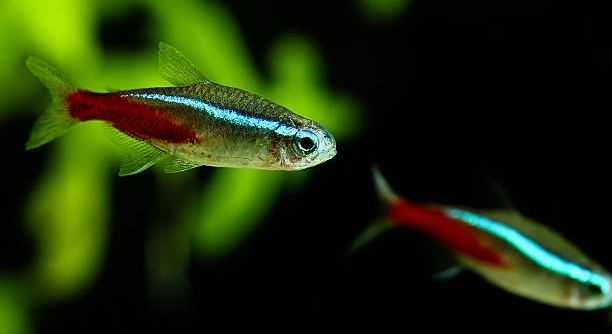
Are your tetras acting a bit strange, sinking to the bottom of the tank when they rest or stop swimming for a moment?
Tetras often sink when resting due to their natural physiology and swim bladder function. These fish rely on constant movement to maintain buoyancy, and when they stop swimming, they may slowly sink as part of their normal behavior.
This behavior might seem odd, but it usually isn’t something to worry about. However, there are a few important signs to watch for that may point to an underlying issue.
Why Tetras Sink When Resting
When tetras rest, they often stop swimming completely. Unlike some fish that can hover in place, tetras rely heavily on movement to stay afloat. Their swim bladder helps with buoyancy, but it doesn’t keep them perfectly suspended. When they pause, gravity takes over and they gently sink. This isn’t unusual behavior. It’s often a sign they’re relaxed and comfortable in their tank. Sinking can also be more noticeable at night or when the lights are off, as the fish enter a more restful state. Some tetras might even lie near the bottom or drift slightly. If they swim normally and appear healthy otherwise, there’s no need for concern. You might notice slight differences depending on the species or age of the fish, but the overall pattern stays the same. It’s just how their bodies work when they aren’t actively swimming.
Watch for signs of struggle or poor balance. These are not typical and may signal a problem.
Normal sinking when resting is passive and gentle. But if your tetra struggles to stay upright, spins, or sinks rapidly, it may not be resting at all. These signs can point to stress, water quality issues, or swim bladder problems.
When Sinking Might Be a Problem
Fast, uncontrolled sinking or floating upside down can mean something is wrong.
Swim bladder disorder is one common issue that affects a fish’s ability to control buoyancy. This condition can develop from overfeeding, constipation, or infections. A tetra with a swim bladder problem might have trouble swimming straight, float to the surface, or sink quickly when trying to rest. Check for signs like a swollen belly, unusual swimming angles, or lack of appetite. Poor water quality is another concern. High ammonia, nitrites, or fluctuating temperatures can stress your fish and affect their overall health. Always keep the tank clean and perform regular water tests. If only one tetra shows these issues, isolate it to monitor behavior more closely. You can try feeding cooked, peeled peas to ease digestive issues. In more serious cases, it may be best to consult a vet who has experience with fish. Keeping a close eye on your tetras can help catch problems early.
Other Causes of Sinking
Poor diet can sometimes affect your tetra’s buoyancy. Low-fiber or high-fat foods may lead to digestive issues that impact the swim bladder. Feeding the same flakes every day might not be enough to support healthy digestion and swimming behavior.
Overfeeding is a common issue. Tetras have tiny stomachs, and too much food can lead to constipation. This may cause bloating and make it harder for the swim bladder to work properly. Uneaten food can also dirty the tank, leading to water issues that affect all your fish. Try feeding small portions once or twice a day. If you suspect digestive trouble, skip feeding for a day, then offer a small piece of cooked, shelled pea. This helps clear their system and supports better buoyancy. Variety in diet—like micro pellets or live foods—can also prevent long-term problems.
Stress is another reason your tetra might act differently. Loud noises, sudden light changes, aggressive tank mates, or poor tank placement can affect their comfort. Stress lowers their immune system, making them more likely to get sick or develop swim problems. Creating a stable environment with gentle lighting, hiding spots, and consistent routines helps. Watching for changes in behavior can help you catch stress before it leads to something more serious.
Preventing Sinking and Swim Issues
Keeping the water clean and balanced is one of the best ways to prevent problems. Check the tank’s temperature, pH, and ammonia levels regularly. Tetras thrive in warm, stable water that’s free of toxins or sudden changes.
A proper tank setup can make a big difference. Tetras need space to swim and calm places to rest. Choose a filter that won’t create strong currents, as they can tire small fish. Use live plants and decorations to provide shelter without overcrowding the tank. Feed small portions and offer a mix of foods to support digestion. Remove any uneaten food quickly to avoid buildup. Quarantine new fish before adding them to prevent spreading illness. Observe your tetras daily. If one starts acting strangely, early action is key. Resting near the bottom can be normal, but when paired with other signs, it deserves a closer look. Prevention is often easier than treatment, and it helps keep your fish comfortable and safe.
Monitoring Your Tetra’s Behavior
Healthy tetras swim with ease, show interest in food, and rest calmly without tipping or struggling. If you notice repeated sinking, floating, or awkward swimming, it’s worth checking your tank conditions and their overall health.
Behavior changes often show up before physical symptoms. A usually active tetra that becomes quiet, hides, or isolates itself may be feeling unwell.
When to Be Concerned
If a tetra is sinking rapidly, floating upside down, or showing signs like bloating, clamped fins, or labored breathing, it may need attention. These signs could mean an issue beyond normal resting behavior. Try adjusting feeding habits, improving water quality, and observing for a day or two. If symptoms continue, isolate the fish and consider contacting a vet familiar with aquatic pets. Quick action can make a big difference. Sinking isn’t always dangerous, but when paired with other unusual signs, it should be taken seriously. Watch for patterns, not just isolated moments, to better understand what your fish is experiencing.
Final Tips for Tetra Care
A stable tank, gentle care, and varied diet can help prevent most sinking problems. Small changes in their setup or routine can support their health and ease.
FAQ
Why do my tetras sink only at night?
At night, tetras enter a restful state and often stop swimming. Since they rely on movement to stay afloat, they may slowly sink when they relax. This is normal behavior and not usually a concern. As long as they swim normally during the day and show no signs of illness, nighttime sinking is simply part of their rest cycle. They don’t have eyelids, so stillness and positioning near the bottom of the tank is how they rest. Dim lighting and a calm environment help them feel secure while they rest.
Could my tetra have swim bladder disease?
It’s possible if the fish shows unusual buoyancy issues. Symptoms of swim bladder disease include floating to the surface uncontrollably, sinking rapidly, or swimming sideways or upside down. A swollen belly or lack of appetite may also appear. Swim bladder issues can result from constipation, infections, or poor water quality. Feeding cooked, de-shelled peas may help relieve constipation. If symptoms don’t improve, it’s important to isolate the fish and monitor closely. Keep the tank clean and avoid overfeeding, as these are often the root causes.
Do all tetras rest near the bottom?
Not all tetras behave the same. Some might hover mid-tank, while others prefer to stay lower when they rest. Neon tetras, for example, often rest near the bottom in low light. This doesn’t mean something is wrong. Variations in behavior can come from age, species, and tank conditions. As long as your tetra is active, eating, and swimming normally when awake, occasional sinking is just part of their routine. Watch for consistency in their daily habits, and only worry if you see sudden or extreme changes.
Can tank mates cause stress that leads to sinking?
Yes, aggressive or overly active tank mates can create stress, especially in smaller fish like tetras. Constant chasing or nipping may lead them to hide or sink more often. Stress affects their immune system and behavior. If you notice one or more tetras avoiding certain areas or showing signs of injury, check the tank dynamics. Try rearranging decor to break lines of sight or adding plants for cover. In more serious cases, consider removing the aggressive fish. Peaceful tank mates help create a safer space for tetras to rest naturally.
How can I tell the difference between normal resting and a health problem?
Look at how the fish acts when active. A healthy tetra should swim easily, eat well, and interact with others. If it only sinks during rest, but behaves normally otherwise, it’s likely just resting. But if it struggles to swim, floats oddly, shows swelling, or isolates itself, it may be sick. Keep an eye out for changes in color or breathing, too. Trust your instincts—if something feels off, check water conditions and feeding routines first. Acting quickly can help prevent bigger issues.
Should I be worried if only one tetra is sinking?
Not always. Some fish have individual habits. If one tetra prefers to rest more or sit lower in the tank but eats and swims fine otherwise, it’s likely just personal behavior. However, if it starts showing signs of stress, weakness, or illness, it’s important to act. Isolate it, observe its behavior, and test the water. A sick fish can spread illness to others in a shared tank. Noticing early signs helps protect your whole group and gives the affected fish a better chance of recovery.
Can lighting affect their rest habits?
Yes, lighting plays a role in their behavior. Bright lights can stress tetras and prevent proper rest. Use a soft, consistent light cycle with dim periods at night. This helps signal their natural rhythm and supports healthy activity and rest. Sudden changes in lighting can also startle them, leading to erratic swimming or hiding. Try turning off the lights slowly or using a timer to help maintain a regular routine. Balanced lighting supports both their physical health and behavior, making it easier to tell normal sinking from a real problem.
Final Thoughts
Watching your tetras sink when they rest can be surprising at first, but it’s often a normal part of how they behave. These fish use movement to stay balanced, and when they stop swimming, they may gently drift toward the bottom. If they swim well during the day, eat regularly, and show no signs of illness, this resting behavior is likely nothing to worry about. It’s a natural part of their routine, especially in calm or dark environments. Many tetras enjoy resting in quieter areas, and sinking slowly just means they are relaxed and not stressed.
However, it’s always important to stay alert to changes in behavior. If your tetra starts sinking quickly, swimming oddly, floating upside down, or showing signs of bloating or weakness, it could be a sign of something more serious. Swim bladder problems, digestive issues, and poor water conditions are some of the more common causes of abnormal sinking. Watching how your fish move, eat, and interact with others can give you helpful clues. If something doesn’t seem right, the first steps should always be checking the tank’s water levels, cleaning the environment, and adjusting feeding routines. Sometimes small changes can quickly fix the issue before it becomes worse.
Taking care of tetras means more than just feeding them each day. They need a calm, clean space, a variety of foods, and stable water conditions. Paying attention to the way they swim, rest, and behave helps you catch problems early and gives your fish the best chance to stay healthy. Resting near the bottom doesn’t always mean something is wrong—it can just be part of their day. But staying informed, observing your tank daily, and responding to any signs of distress are key parts of being a responsible fish keeper. With a little care and attention, your tetras can live peaceful, balanced lives in their aquarium.

Hello,
If you enjoy the content that we create, please consider saying a "Thank You!" by leaving a tip.
Every little bit helps us continue crafting quality advice that supports the health, happiness, and well-being of pets around the world, for pets of all shapes, sizes, and species.
We really appreciate the kindness and support that you show us!