
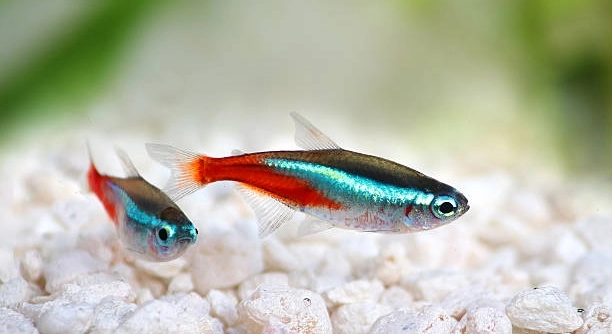
Are your tetras all facing one direction in their tank? This is a common behavior that many fishkeepers notice and wonder about. It can seem strange when a whole group moves together like that.
The primary reason tetras align facing one way is due to schooling behavior. This instinct helps protect them from predators and improves swimming efficiency. Facing the same direction allows them to move cohesively and respond quickly to changes in their environment.
Understanding why your tetras behave this way can improve your care for them. There are interesting details about their natural instincts and tank conditions that explain this behavior further.
Why Do Tetras School Facing One Direction?
Tetras are schooling fish, which means they naturally swim in groups to feel safer and more secure. When they all face the same way, it helps them move as one unit. This behavior reduces the chance of any one fish being singled out by predators. Even in a safe tank environment, this instinct stays strong. The fish rely on visual cues from each other to stay in sync. When the water current changes or there is movement outside the tank, they respond together by facing and swimming in the same direction. This coordination also makes swimming easier and uses less energy for each fish. You might notice they switch directions as a group, which is a normal part of their behavior. Schooling helps reduce stress and keeps the fish healthy by mimicking natural conditions from their native habitats.
Schooling is an important part of their natural behavior and wellbeing.
Recognizing this helps when setting up a tank. Providing enough space and plants lets your tetras swim freely in their group. Keeping the environment calm and stable encourages schooling. When they feel threatened or cramped, schooling may break down or become erratic. Watching their patterns can tell you a lot about their comfort and health. Understanding their social needs means you can make better choices about tank size and tank mates. This behavior also means you should avoid sudden movements or loud noises near the tank, as these can startle the whole school. Overall, respecting their schooling instinct creates a peaceful aquarium for your tetras.
What Tank Conditions Affect Their Direction?
Lighting and water flow can influence the way tetras face and move.
Good lighting simulates their natural habitat, encouraging normal schooling. Strong or uneven light may cause them to avoid certain areas or bunch up. Gentle water currents from filters or air pumps guide their movement. If the flow is too strong, it can stress the fish and disrupt schooling. Balanced conditions help them maintain their group formation and face the same direction calmly. Tank decorations and plants provide hiding spots and rest areas, which also support natural behavior. When all these elements work together, your tetras will display their typical schooling pattern with ease.
Keeping tank conditions stable and comfortable promotes natural schooling behavior in tetras. Proper lighting, moderate water flow, and thoughtful tank layout encourage your fish to swim together smoothly and reduce stress. Paying attention to these factors improves their health and makes their behavior easier to observe and enjoy. Avoiding sudden changes and maintaining good water quality will help your tetras feel secure. Their direction and movement become clear signs of a well-kept environment. These simple adjustments make a big difference in how your tetras live and interact in their aquarium.
How Stress Affects Tetra Behavior
Stress can make tetras swim erratically or break their usual schooling pattern. When stressed, they may face different directions or isolate themselves from the group.
Common stress factors include poor water quality, overcrowding, or sudden changes in the tank environment. These issues disrupt their natural behavior and can lead to illness. It’s important to keep the tank clean and stable to prevent stress. Observing changes in how your tetras face and move can help identify when they are uncomfortable.
Providing hiding spots and keeping a consistent routine helps reduce stress. Avoid tapping on the glass or sudden bright lights, as these can startle your fish. Stress can also cause tetras to lose their bright colors and become lethargic. Maintaining a calm and balanced tank supports their health and encourages normal schooling behavior.
The Role of Lighting and Tank Setup
Lighting affects where tetras choose to swim and how they position themselves. Too bright or uneven light can make them avoid certain areas or bunch up tightly.
A well-lit tank with shaded spots mimics their natural environment and promotes normal behavior. Plants and decorations not only offer shelter but also help the fish feel secure. This setup encourages your tetras to move and school comfortably in one direction. Proper lighting combined with a thoughtfully arranged tank reduces stress and supports natural movement patterns.
Creating a calm, balanced space allows your tetras to show their true colors and behavior. The right setup keeps them happy and healthy while making it easier for you to enjoy watching their schooling instincts unfold naturally.
Feeding Time and Directional Behavior
Tetras often face the direction of food during feeding. This behavior helps them stay alert and ready to compete for food.
They may gather closely and swim in one direction toward the source of food, showing their natural feeding instincts.
How Tank Size Influences Movement
Tank size plays a big role in how tetras swim and school. In smaller tanks, their movement can be restricted, causing them to bunch up or face the same direction more often. Larger tanks give them more space to spread out and swim freely. Providing enough room mimics their natural habitat and encourages healthier, more natural schooling patterns. Without enough space, tetras may feel cramped, stressed, or restless, which can affect their behavior and health. Ensuring an appropriately sized tank improves their comfort and lets their natural instincts show clearly.
Interaction with Other Fish
Tetras may change their direction or schooling pattern depending on other tank mates.
FAQ
Why do my tetras always face one direction in the tank?
Tetras face one direction because of their natural schooling instinct. This behavior helps them swim together as a group, which provides safety and improves swimming efficiency. Facing the same way allows them to respond quickly to changes, such as water movement or potential threats.
Is it normal for tetras to change direction suddenly?
Yes, tetras often change direction as a group. This quick movement helps them avoid predators in the wild. In your tank, sudden direction changes can be caused by disturbances like loud noises, bright lights, or sudden movements near the tank.
Can tank size affect how tetras school?
Absolutely. A small tank limits their swimming space, causing tetras to stay closer and often face the same way. Larger tanks allow them to spread out and swim more naturally. Having enough space reduces stress and promotes healthy schooling behavior.
Does lighting affect the direction my tetras face?
Yes, lighting plays a role in their behavior. Bright or uneven lighting may cause tetras to avoid certain areas or bunch together. A balanced light setup with shaded spots mimics their natural environment, encouraging normal swimming and schooling.
What role does water flow have in their schooling?
Moderate water flow helps tetras align and swim in the same direction. It mimics currents in their natural habitat, guiding their movement. However, strong or uneven flow can stress them and disrupt schooling, causing erratic swimming or separation.
How does stress impact tetra schooling?
Stress can break up schooling patterns. When stressed, tetras may face different directions or isolate themselves. Common causes include poor water quality, overcrowding, or sudden changes in the environment. Keeping a stable, clean tank reduces stress and supports normal schooling.
Why do tetras gather and face one way during feeding?
During feeding, tetras focus on the food source. Facing the same direction helps them stay alert and ready to compete for food. This behavior is natural and shows they recognize where the food is coming from.
Can tank mates influence tetra direction and schooling?
Yes, other fish can affect tetra behavior. Aggressive or very active tank mates may cause tetras to scatter or change their schooling patterns. Choosing peaceful companions helps maintain stable schooling and reduces stress.
What should I do if my tetras stop schooling or face random directions?
If schooling breaks down, check tank conditions first. Test water quality, ensure proper tank size, and look for signs of illness or stress. Improving water quality, adding plants or hiding spots, and reducing disturbances usually helps tetras return to normal behavior.
Is it a problem if my tetras always face one direction and never change?
Not necessarily. Tetras facing one way is normal schooling behavior. If they are healthy, active, and eating well, this is usually fine. Watch for signs of stress or illness, but consistent direction often means they feel safe and comfortable.
Can lighting changes at night affect their schooling?
Yes, tetras may change schooling behavior with lighting shifts. Lower light or darkness usually causes them to rest or hide. A gradual light change can reduce stress and keep their natural rhythms steady.
How can I encourage healthy schooling behavior in my tetras?
Maintain good water quality, provide enough tank space, and keep consistent lighting and flow. Avoid sudden changes and provide plants or decorations for shelter. Peaceful tank mates and regular feeding also help your tetras feel secure and school naturally.
Why do some tetras swim alone instead of with the group?
Sometimes a fish may feel unwell, stressed, or lower in the social order. Isolated swimming can be a sign of illness or discomfort. Observe the fish closely and check tank conditions to ensure the whole group stays healthy.
Do tetras always face the same direction when resting?
Not always. When resting, tetras might face different directions or find quiet spots to hide. Resting behavior is normal and helps them recover energy. If schooling breaks down only during rest, there’s usually no cause for concern.
How does tank decoration influence tetra schooling direction?
Decorations create hiding spots and break up the tank space. Tetras use these areas to feel safe and may face certain directions based on where shelter or open space is. A well-decorated tank encourages natural movement and reduces stress, supporting better schooling behavior.
When you see your tetras all facing one direction, it is mostly a sign of their natural behavior. Tetras are schooling fish, so they like to swim together in groups. Facing the same way helps them stay safe and move smoothly as a group. This instinct comes from their wild nature, where swimming in schools protects them from predators and makes swimming easier. Even in a tank, this behavior stays strong. It shows that your fish are comfortable and acting normally. Watching them swim together can be calming and interesting, especially when you understand why they do it.
Tank conditions play a big role in how your tetras behave. Factors like tank size, water flow, lighting, and decorations all affect their movement and schooling patterns. If the tank is too small or crowded, tetras may feel stressed and change their swimming habits. Strong water currents or very bright lights can also disturb their natural schooling. Providing a clean, spacious, and well-lit environment helps keep your tetras healthy and relaxed. Adding plants or hiding spots can make them feel more secure and encourage natural behavior. Regular care and stable conditions let your tetras show their true, peaceful schooling patterns.
Stress is one of the main reasons tetras may stop facing one direction or break their school. Stress can come from poor water quality, sudden changes in the tank, or aggressive tank mates. When stressed, tetras may swim differently, lose color, or isolate themselves. Keeping the tank clean and stable, avoiding sudden movements or loud noises near the tank, and choosing peaceful companions can reduce stress. Feeding your tetras well and watching for any signs of illness also helps. Understanding their needs and behavior will make your aquarium a better home for your tetras and a more enjoyable experience for you.

Hello,
If you enjoy the content that we create, please consider saying a "Thank You!" by leaving a tip.
Every little bit helps us continue crafting quality advice that supports the health, happiness, and well-being of pets around the world, for pets of all shapes, sizes, and species.
We really appreciate the kindness and support that you show us!