
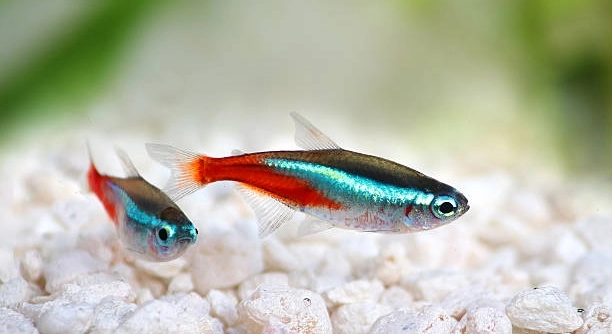
Setting up a blackwater tetra tank can be rewarding for any aquarium enthusiast. These fish thrive in specific conditions that mimic their natural habitat. Creating the right environment helps them stay healthy and display their best colors.
Establishing a blackwater tetra tank involves controlling water parameters, adding appropriate plants and decorations, maintaining low lighting, and providing a soft, acidic environment. Proper filtration and regular water changes are also essential for their well-being.
Following these steps will ensure your blackwater tetra tank is both beautiful and suitable for your fish’s needs. This guide will help you create a balanced and thriving aquatic environment.
Choosing the Right Tank Size and Shape
For blackwater tetras, a tank size of at least 20 gallons is recommended. These fish enjoy swimming in groups, so having enough space for five or more tetras is important. A longer tank rather than a tall one provides more horizontal swimming room. This helps the fish feel comfortable and reduces stress. Choosing a tank with a wider surface area also improves oxygen exchange, which is beneficial in a blackwater setup. The shape should allow for easy placement of plants, driftwood, and hiding spots, which are essential to mimic their natural environment. Keep in mind that a tightly covered tank is useful because these fish can sometimes jump, and it also helps maintain water quality.
Setting up the right tank size and shape supports the natural behavior and health of your blackwater tetras.
Selecting an appropriate tank gives your fish enough space to swim freely, interact, and exhibit natural behaviors, which is vital for their overall well-being and longevity.
Creating the Blackwater Environment
The key to a true blackwater environment is replicating the water’s color and chemistry found in their native habitats. This means the water should have a tea-like tint caused by tannins released from driftwood and leaves. Using natural materials like Indian almond leaves or peat moss in the filter helps achieve this effect. The water should be soft and slightly acidic, with a pH between 5.5 and 6.5. Temperature is also important and should be maintained between 75 and 82 degrees Fahrenheit. Adding gentle filtration keeps the water clear but avoids strong currents, as blackwater tetras prefer calmer conditions. Regular water changes are necessary to maintain water quality and prevent buildup of harmful substances. Lighting should be low to moderate, simulating the shaded, dimly lit waters these fish come from. Incorporating these elements creates a healthy and comfortable habitat for your blackwater tetras.
Selecting Plants and Decorations
Blackwater tetras prefer densely planted tanks with plenty of hiding spots. Use hardy plants like Java fern, Anubias, and Cryptocoryne that tolerate low light. Driftwood and leaf litter add natural cover and release tannins that tint the water.
Plants with broad leaves provide shelter and resting spots. Grouping plants in clusters creates a natural feel and helps reduce stress. Driftwood should be treated to avoid releasing harmful substances, and it supports beneficial bacteria growth. Leaf litter breaks down slowly, adding to the water’s chemistry and offering places for fish to explore.
Adding smooth stones and hiding places mimics the tetras’ native environment. Avoid sharp decorations that could injure the fish. The right mix of plants and decorations helps create a secure and comfortable tank that encourages natural behavior.
Maintaining Water Quality and Filtration
Regular water testing is crucial to keep the water parameters within the desired range. Use a reliable test kit to monitor pH, ammonia, nitrites, and nitrates. Water changes of 20-30% weekly help maintain stable conditions.
A gentle filtration system is best, as blackwater tetras do not thrive in strong currents. Sponge filters or adjustable power filters work well by providing good biological filtration without disturbing the tank environment. Make sure to clean the filter media regularly but avoid over-cleaning to preserve beneficial bacteria colonies.
Consistent water quality helps prevent stress and illness. Keeping the tank clean and well-maintained ensures a healthy environment that supports your tetras’ natural behaviors and long-term health.
Lighting and Temperature Control
Blackwater tetras prefer low to moderate lighting that mimics their shaded natural habitat. Avoid bright, direct lights that can stress the fish. Using dimmable LED lights or placing floating plants can help soften the light.
Maintaining stable water temperature between 75°F and 82°F is important. Use a reliable heater and thermometer to keep the environment consistent.
Feeding Your Blackwater Tetras
Blackwater tetras eat a variety of foods, including high-quality flakes, pellets, and live or frozen options like brine shrimp and bloodworms. Feed small amounts once or twice daily to prevent overfeeding and maintain water quality.
Grouping and Social Behavior
These tetras are schooling fish and should be kept in groups of at least five. They feel safer and show natural behaviors when in a group, reducing stress and aggression.
How often should I change the water in my blackwater tetra tank?
Water changes are important for keeping the tank healthy. For a blackwater tetra tank, changing about 20-30% of the water every week is ideal. This helps remove waste and keeps the water parameters stable. More frequent changes may be needed if the tank is heavily stocked or shows signs of poor water quality.
What kind of filtration system works best for blackwater tetras?
Blackwater tetras prefer gentle water flow, so sponge filters or adjustable power filters are good choices. These filters provide adequate biological filtration without creating strong currents that can stress the fish. Make sure to clean the filter media regularly, but avoid over-cleaning to preserve beneficial bacteria.
Can I keep other fish with blackwater tetras?
Yes, but choose peaceful species that thrive in similar water conditions. Suitable tank mates include small rasboras, Corydoras catfish, and some dwarf cichlids. Avoid aggressive or large fish that may bully or eat your tetras. Always research compatibility before adding new fish.
How do I create the tannin-rich blackwater look?
Tannins come from natural materials like driftwood, Indian almond leaves, and dried leaf litter. Adding these to the tank releases tannins slowly, coloring the water a tea-like brown. This also helps lower pH and softens the water, creating ideal conditions for blackwater tetras.
What should I feed my blackwater tetras?
A balanced diet includes high-quality flakes or pellets supplemented with live or frozen foods like brine shrimp, daphnia, and bloodworms. Feeding small portions once or twice daily keeps them healthy without polluting the water. Varying the diet also encourages natural foraging behavior.
How many blackwater tetras should I keep together?
Keep at least five blackwater tetras together to encourage natural schooling behavior. Groups smaller than this can lead to stress and hiding. Larger groups also create a more lively and natural display, as tetras swim and interact more freely.
What temperature and pH levels are best?
Maintain the water temperature between 75°F and 82°F, with a pH around 5.5 to 6.5. This soft, slightly acidic water mimics their natural environment. Use a heater and test kits regularly to keep these parameters stable.
How do I prevent diseases in my blackwater tetra tank?
Good water quality is key to disease prevention. Perform regular water changes, avoid overfeeding, and quarantine new fish before adding them to the main tank. Watch for signs of illness like faded colors, lethargy, or spots, and treat early if needed.
Is it necessary to add CO2 for plants in a blackwater tank?
CO2 is not usually required if you choose low-light, slow-growing plants like Java fern and Anubias. These plants do well in blackwater conditions and help improve water quality naturally. Adding CO2 can sometimes encourage algae growth if not carefully managed.
How long does it take to set up a blackwater tetra tank?
Setting up the tank can take a few hours, but cycling the tank for 4-6 weeks before adding fish is crucial. This allows beneficial bacteria to establish and the water parameters to stabilize, creating a safe environment for your tetras.
Setting up a blackwater tetra tank takes some care and attention, but it can be very rewarding. These fish need specific conditions to thrive, so it is important to create a habitat that matches their natural environment. By paying close attention to water quality, tank size, decorations, and lighting, you can provide a safe and comfortable home for your tetras. The soft, slightly acidic water with tannins, gentle filtration, and plenty of hiding spots will help them feel secure and healthy.
Blackwater tetras are peaceful schooling fish that do best when kept in groups. Keeping at least five together encourages natural behavior and reduces stress. Feeding them a varied diet with quality flakes and live or frozen foods supports their health and vibrant colors. Maintaining stable temperature and water chemistry is also key. Regular water changes and proper filtration keep the environment clean and balanced. With a little effort, your blackwater tetra tank can become a beautiful and lively display in your home.
Remember, patience is important when setting up and maintaining this type of tank. It can take time to cycle the tank and find the right balance in water conditions. Avoid rushing the process or making sudden changes, as blackwater tetras are sensitive to fluctuations. By following the recommended steps and monitoring your tank closely, you can enjoy a thriving aquarium that meets the needs of your fish. The care you put into your tank will be rewarded with healthy, active blackwater tetras that brighten your space.

Hello,
If you enjoy the content that we create, please consider saying a "Thank You!" by leaving a tip.
Every little bit helps us continue crafting quality advice that supports the health, happiness, and well-being of pets around the world, for pets of all shapes, sizes, and species.
We really appreciate the kindness and support that you show us!