
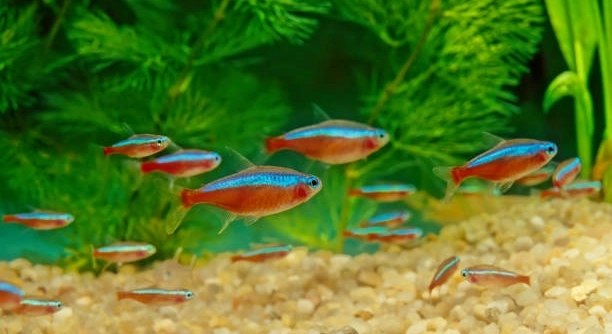
Are your tetra fish lying still during the day, leaving you concerned about their health? This behavior can seem unusual, especially when these lively fish suddenly become inactive. Understanding why this happens is important for their care.
Tetras lying still during daylight hours often indicate stress, illness, or poor water conditions. They may also rest or conserve energy. Monitoring tank environment, diet, and behavior closely helps identify the underlying cause and address it promptly.
Recognizing the reasons behind this behavior will improve your tetra’s well-being and help maintain a healthy aquarium environment. This article explains the key factors and solutions for your fish’s inactivity.
Common Reasons for Tetras Lying Still
Tetras may lie still during the day for several reasons. One of the most frequent causes is poor water quality. High levels of ammonia, nitrites, or nitrates can stress fish and cause lethargy. Another reason is illness. Diseases like ich or fin rot affect fish behavior and make them inactive. Stress from overcrowding or aggressive tank mates can also lead to hiding and resting for long periods. Sometimes, fish rest naturally during daylight hours, especially if the tank lighting is too bright. Tetras are small, active fish, but they need time to conserve energy. Proper tank maintenance, regular water testing, and observing behavior closely are necessary to spot any issues early. Feeding habits also play a role; overfeeding or underfeeding can impact their energy levels. Watching how your tetras react to changes in the tank helps determine the cause of their stillness.
Keeping the tank clean and stable helps maintain healthy fish and reduces inactivity.
Fish resting is often temporary, but persistent stillness means checking tank conditions or health carefully.
Understanding these reasons lets you act quickly to restore your tetra’s usual activity and keep your aquarium balanced and healthy.
How to Improve Your Tetra’s Activity
Improving your tetra’s activity starts with water quality. Test the water regularly and perform partial water changes to keep harmful substances low. Keep the tank temperature stable, around 74–78°F (23–26°C), as fluctuations stress fish. Avoid overcrowding by maintaining a proper number of fish for your tank size, and provide hiding spots with plants or decorations to reduce stress. Feeding a balanced diet and avoiding overfeeding supports their energy and health.
If illness is suspected, isolate the affected fish and consider treatment options recommended for common tetra diseases. Watch for other symptoms like discoloration, clamped fins, or abnormal swimming. Bright lighting can tire your tetras; dim the tank or provide shaded areas to mimic their natural environment. Small changes to care routines often improve their activity level. Consistent observation and maintenance help prevent problems from worsening and allow you to enjoy more lively and healthy tetras.
Tank Environment and Its Impact on Tetra Behavior
Tetras are sensitive to their environment. Poor tank setup or unstable conditions often cause them to lie still or hide. Proper lighting, temperature, and space are essential for their activity.
A well-maintained tank should have stable water parameters within the species’ ideal range. Bright lights can stress tetras, making them less active. Use plants and decorations to create hiding spots and reduce stress. Overcrowding limits swimming space and increases aggression, which can also cause lethargy. Regular cleaning and water changes prevent the buildup of harmful substances. Monitoring these factors ensures a comfortable habitat that encourages natural behavior.
Adding gentle filtration and avoiding sudden changes in water quality or temperature supports tetra health. Observing how your fish react to tank conditions helps identify environmental stress early. Small adjustments often lead to noticeable improvements in their activity.
Recognizing Signs of Illness in Tetras
Lethargy accompanied by other symptoms often indicates illness. Watch for discoloration, frayed fins, or abnormal swimming. Early detection helps prevent serious problems.
Common diseases like ich show as white spots, while fin rot causes ragged fins. Bacterial infections may lead to swelling or ulcers. If your tetra lies still and shows any of these signs, quarantine and treat immediately. Maintaining clean water reduces the chance of infection. Always observe your fish daily to catch symptoms early. Healthy tetras swim actively and respond to feeding, so changes in behavior are important to note.
Prompt attention to signs of illness can improve recovery chances. Ignoring symptoms may lead to worsening conditions or death. Regular tank care combined with observation helps keep tetras healthy.
Feeding Habits and Energy Levels
Tetras need a balanced diet to stay active and healthy. Overfeeding can cause lethargy, while underfeeding leads to weakness. Feeding small amounts once or twice daily helps maintain their energy.
Proper nutrition supports their immune system and reduces stress. Avoid feeding large portions or leftovers that can pollute the tank.
The Role of Lighting in Tetra Activity
Lighting affects tetra behavior significantly. Too much light can cause stress, making them lie still or hide. Use dimmer lighting or provide shaded areas with plants to create a natural environment that encourages activity and reduces stress.
When to Seek Professional Help
If your tetras remain inactive despite good tank conditions and proper care, consult a veterinarian experienced with fish. Persistent lethargy may indicate underlying health issues needing diagnosis and treatment.
Importance of Observation
Daily observation helps catch problems early. Noticing changes in behavior or appearance is key to maintaining tetra health and preventing serious issues.
FAQ
Why is my tetra lying still at the bottom of the tank?
When a tetra lies still at the bottom, it often signals stress, illness, or poor water conditions. Sometimes, tetras rest near the bottom if they are tired or conserving energy. Check water quality, temperature, and look for signs of disease to determine the cause. Adjusting tank conditions usually helps them recover.
Can tetras lie still because they are sleeping?
Yes, tetras do rest and sleep during the day, often in quiet or shaded areas. Their movements slow down, and they may lie still for short periods. However, if they remain inactive for long stretches or show other signs of distress, it may indicate a problem.
How often should I test the water to keep my tetras healthy?
Testing water weekly is recommended to maintain safe ammonia, nitrite, nitrate, and pH levels. Frequent monitoring helps catch changes early and prevents stress or illness in your fish. Use reliable test kits for accurate readings.
What water parameters are ideal for tetras?
Tetras thrive in water temperatures between 74–78°F (23–26°C), with pH levels around 6.5 to 7.5. Ammonia and nitrite should be at 0 ppm, and nitrate below 20 ppm. Stable conditions within these ranges support their health and activity.
Could tank mates cause my tetra to lie still?
Aggressive or overly active tank mates can stress tetras, causing them to hide or stay still to avoid conflict. Ensure your tetras are housed with compatible species and provide enough space and hiding spots to reduce stress.
Is my tetra sick if it’s lying still and not eating?
Loss of appetite combined with inactivity often points to illness. Observe your fish for other symptoms like discoloration, clamped fins, or rapid breathing. Promptly isolate the affected fish and consider treatment options based on the symptoms.
How can I improve my tetra’s activity levels?
Regular water changes, stable temperature, balanced feeding, and appropriate lighting improve tetra activity. Adding live plants and hiding spots also helps reduce stress, encouraging natural behavior and movement.
Can overfeeding cause my tetras to be lethargic?
Yes, overfeeding can lead to poor water quality and digestive issues, making tetras sluggish. Feed small, measured amounts once or twice daily and remove uneaten food to keep the tank clean.
Should I dim the tank lights if my tetras lie still?
Dimming lights or providing shaded areas can reduce stress for tetras that are sensitive to bright light. Adjust lighting gradually and observe how your fish respond to create a comfortable environment.
When is it necessary to consult a vet for my tetra?
If your tetra remains inactive for days despite good care, shows physical symptoms, or loses appetite, a veterinarian experienced in fish health can provide diagnosis and treatment advice. Early professional help increases the chance of recovery.
Can water changes alone fix inactivity in tetras?
Water changes improve tank conditions and reduce toxins, often helping inactive tetras. However, if inactivity is caused by illness or stress unrelated to water quality, additional care or treatment may be needed.
Do tetras need hiding places to feel secure?
Yes, tetras feel safer with plants or decorations to hide behind. This reduces stress and encourages more active behavior. A tank with proper hiding spots mimics their natural environment.
Is tank size important for tetra activity?
Adequate tank size provides space to swim and reduces stress. Overcrowded tanks limit movement and can cause aggression or lethargy. A minimum of 10 gallons is recommended for a small group of tetras.
How does temperature fluctuation affect tetra behavior?
Sudden changes in temperature stress tetras, causing lethargy or hiding. Keeping a stable temperature within their ideal range prevents these issues and supports their immune system.
Can stress from transportation cause tetras to lie still?
Yes, transport stress often leads to inactivity for several days. Providing a calm, stable environment after moving helps tetras recover faster. Avoid sudden changes in lighting or water conditions during this time.
Tetras lying still during the day can be concerning, but it is often a sign that something in their environment needs attention. Their behavior may reflect stress, illness, or natural resting periods. Maintaining good water quality, stable temperature, and proper tank conditions are key factors to keeping tetras active and healthy. Regular monitoring and tank maintenance help prevent many common problems that cause lethargy. Small changes to the aquarium setup can make a big difference in their behavior and overall well-being.
Paying close attention to your tetras’ diet and feeding routine is also important. Overfeeding or underfeeding can affect their energy levels and cause inactivity. Providing a balanced diet and feeding in appropriate amounts supports their immune system and encourages natural activity. Tank lighting and the presence of hiding places affect how comfortable tetras feel in their environment. Too much light or lack of shelter may stress them and cause them to lie still more than usual. Adjusting these factors based on observation can improve their comfort and promote livelier behavior.
If your tetras continue to lie still despite proper care, illness might be the cause. Signs such as discoloration, clamped fins, or loss of appetite should not be ignored. Early detection and treatment of diseases increase the chances of recovery. Consulting a veterinarian who specializes in fish can provide valuable help when needed. Overall, a well-maintained aquarium, careful observation, and timely action are essential to keeping your tetras healthy and active. Understanding their needs and habits leads to a more enjoyable and successful fishkeeping experience.

Hello,
If you enjoy the content that we create, please consider saying a "Thank You!" by leaving a tip.
Every little bit helps us continue crafting quality advice that supports the health, happiness, and well-being of pets around the world, for pets of all shapes, sizes, and species.
We really appreciate the kindness and support that you show us!