
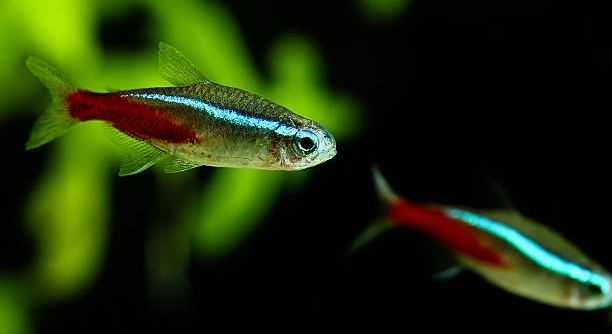
Newborn tetra fry are delicate little fish that need careful attention. Their early days are filled with challenges that can affect their growth and survival. Knowing what stresses them helps keep them healthy and thriving.
Newborn tetra fry experience stress primarily from poor water quality, inadequate nutrition, sudden temperature changes, overcrowding, strong water currents, improper lighting, and frequent disturbances. These factors can negatively impact their development and increase mortality rates.
Understanding these stressors can improve the care you provide and support the fry’s healthy growth through their most vulnerable stage.
Poor Water Quality
Water quality is one of the most important factors for newborn tetra fry. If the water contains high levels of ammonia, nitrites, or nitrates, it can be harmful and cause stress. Dirty water with leftover food or waste makes it harder for fry to survive. These tiny fish need clean, well-filtered water to grow properly. Regular water changes help maintain a safe environment. It’s also essential to keep the water parameters stable, especially pH and temperature, as sudden changes can shock the fry. Using a gentle filter can prevent strong currents that might tire them out. Paying close attention to water quality is the best way to prevent stress and illness in your young tetras.
Keeping the tank clean and balanced is crucial for healthy fry development. Poor water quality weakens their immune system and slows growth.
Monitoring water conditions daily and performing small, frequent water changes supports a safe and healthy environment. This reduces harmful toxins and keeps the fry comfortable. Using a water testing kit can help track key levels. Avoid overfeeding, which leads to extra waste. By ensuring proper water conditions, you help your newborn tetra fry grow strong and less stressed. Consistent care and patience will bring positive results.
Inadequate Nutrition
Newborn tetra fry need the right food to thrive. They require tiny, nutritious meals that are easy to digest. Feeding them crushed flakes, specially designed fry food, or infusoria helps provide the nutrients they need. Giving the wrong type or amount of food can cause stress and slow their growth. Overfeeding can dirty the water quickly, increasing toxins. Underfeeding, on the other hand, leads to weak and stunted fry.
Providing balanced nutrition early on supports healthy development and reduces stress.
Feeding fry small amounts multiple times a day is best. Their tiny stomachs can only hold so much, so frequent feedings prevent hunger without polluting the tank. Watch how the fry eat and adjust portions as needed. Fresh, high-quality foods help build strong immune systems and vibrant colors. Avoid sudden changes in diet to keep stress low. With proper feeding, newborn tetra fry have a better chance of reaching adulthood healthy and happy.
Sudden Temperature Changes
Newborn tetra fry are very sensitive to temperature shifts. Sudden changes can cause immediate stress and even death. Keeping the water temperature stable is essential for their survival and growth.
Temperature fluctuations can shock the fry’s delicate system. A consistent temperature between 75°F and 80°F is ideal. Using a reliable heater with a thermostat helps maintain this range. Avoid placing the tank near windows, vents, or heaters that cause rapid temperature changes. Even small drops or rises in temperature can weaken their immune system, making them more prone to disease. It’s important to monitor the temperature daily and adjust the heater settings as needed to keep the environment stable.
Keeping the tank insulated or covered can reduce temperature swings caused by room conditions. Gradual temperature changes are less harmful, so if you need to adjust the temperature, do so slowly over several hours. Consistent, warm water helps newborn tetra fry grow healthy and reduces their stress levels.
Overcrowding
Overcrowding in the tank causes stress by increasing competition for food and space. Too many fry in a small tank lead to poor water quality and less oxygen.
When there are too many fry, they may become aggressive or stressed due to limited swimming room. Overcrowding also causes quicker waste buildup, making water quality worse. It’s important to provide enough space for each fry to swim freely and access food easily. A larger tank or separating fry into smaller groups can help prevent overcrowding. Proper filtration and regular water changes become even more critical in crowded tanks. By managing the number of fry per tank, you reduce stress and support healthy growth for every fish.
Strong Water Currents
Strong water currents can tire out newborn tetra fry quickly. They are small and weak, so fast-moving water stresses them and can cause injury.
Using gentle filtration or adjusting the flow helps create a calm environment. Fry need still or slow-moving water to conserve energy and grow properly.
Improper Lighting
Too much light can stress newborn tetra fry by disturbing their natural rhythms. Bright or constant light causes anxiety and may affect their development.
Providing dim lighting or shaded areas helps fry feel safe. Keeping a regular day-night cycle supports healthy behavior and growth.
Frequent Disturbances
Constant tapping or movement near the tank can frighten newborn fry. These disturbances raise their stress levels and disrupt feeding and resting patterns.
How can I tell if my newborn tetra fry are stressed?
Signs of stress in newborn tetra fry include sluggish movement, hiding more than usual, and poor appetite. You might notice the fry staying near the bottom or corners of the tank and avoiding swimming freely. Stress can also show through faded colors and increased mortality. Watching for these signs early can help you act before problems get worse.
What is the best water temperature for newborn tetra fry?
Maintaining a stable water temperature between 75°F and 80°F is ideal for newborn tetra fry. Sudden changes should be avoided as they cause shock and weaken their immune system. Using a heater with a thermostat ensures the temperature stays consistent, helping the fry grow strong and healthy.
How often should I change the water in a fry tank?
Frequent, small water changes are better than large, infrequent ones. Changing 10-20% of the water every day or every other day keeps the water clean without stressing the fry. Make sure the new water matches the tank’s temperature and pH to avoid shock.
What should I feed newborn tetra fry?
Newborn tetra fry need tiny, nutritious foods like infusoria, crushed flakes, or specially made fry food. Feed small amounts multiple times a day to prevent leftover food from polluting the water. Balanced nutrition supports growth and reduces stress during this vulnerable stage.
Can overcrowding affect the health of tetra fry?
Yes, overcrowding increases stress by creating competition for food and space. It also causes faster waste buildup, which lowers water quality. Providing enough space and possibly separating fry into smaller groups improves their environment and chances of survival.
Is it okay to use strong filters for newborn tetra fry tanks?
Strong filters create currents that can tire or injure newborn fry. Using gentle filtration or adding flow-reducing elements keeps the water movement slow and safe. Fry need calm water to conserve energy and develop properly.
How important is lighting for tetra fry?
Lighting affects fry stress and behavior. Too bright or constant light causes anxiety and disrupts natural rhythms. Dim lighting with shaded areas, along with a regular day-night cycle, helps fry feel secure and supports healthy growth.
What causes sudden deaths in newborn tetra fry?
Sudden deaths often result from poor water quality, temperature shocks, or disease. Stress weakens their immune system, making them vulnerable. Maintaining clean water, stable temperature, and proper feeding reduces risks and helps fry survive through their early days.
Can tapping on the tank harm newborn tetra fry?
Yes, frequent tapping or disturbances near the tank frighten fry, raising their stress levels. Stress can interfere with feeding and resting, slowing growth and increasing the chance of illness. Minimizing noise and movement around the tank keeps fry calm.
How long does it take for tetra fry to grow into adult fish?
Tetra fry usually take about 8 to 12 weeks to grow into juveniles, depending on conditions like water quality and food availability. Providing a stress-free environment with proper care helps them reach adulthood faster and healthier.
Taking care of newborn tetra fry requires patience and careful attention. These tiny fish are very delicate in their first few weeks of life. Many factors can cause them stress, which affects their chances of growing into healthy adults. By understanding what stresses them, such as poor water quality, sudden temperature changes, and overcrowding, you can create a safer and more comfortable environment for your fry. Keeping water clean and stable is especially important because the fry are sensitive to changes that adult fish might tolerate. Regular water testing and gentle water changes are key to preventing harmful conditions.
Feeding newborn tetra fry the right food at the right times is also crucial. They need small, nutritious meals several times a day to support their rapid growth. Overfeeding or underfeeding can both cause problems, either by polluting the water or by leaving the fry weak and undernourished. Using specialized fry food or finely crushed flakes helps meet their nutritional needs. Along with food, controlling the water flow and lighting conditions helps reduce stress. Strong currents can exhaust the fry, and too much light can disrupt their natural behaviors. Creating calm water with gentle lighting helps them feel safe and encourages healthy development.
Finally, it’s important to limit disturbances around the tank. Frequent tapping or sudden movements can scare the fry, causing unnecessary stress. Stress weakens their immune systems and slows growth. Providing a quiet and stable environment helps the fry focus on eating and growing. While raising newborn tetra fry can be challenging, paying close attention to these key stress factors greatly improves their chances of survival. With proper care and patience, you can watch your fry develop into vibrant, healthy adult fish. This process takes time, but the effort is rewarding for any fish keeper who wants to support life from its very start.

Hello,
If you enjoy the content that we create, please consider saying a "Thank You!" by leaving a tip.
Every little bit helps us continue crafting quality advice that supports the health, happiness, and well-being of pets around the world, for pets of all shapes, sizes, and species.
We really appreciate the kindness and support that you show us!