
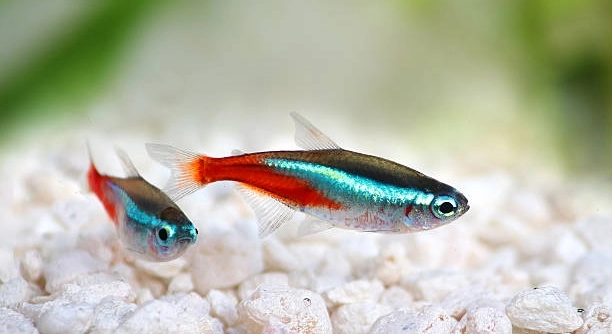
Many aquarium owners enjoy keeping tetras because of their vibrant colors and active nature. Sometimes, these fish may hover in one spot, which can seem unusual. Understanding this behavior helps keep them healthy and comfortable in your tank.
Tetras hovering in one spot often indicate stress, poor water quality, or illness. This behavior may also result from changes in temperature, oxygen levels, or tank conditions that affect their normal swimming patterns. Identifying the cause is crucial for proper care.
Learning about these reasons will help you maintain a better environment for your tetras. Paying attention to their behavior can improve their well-being and your enjoyment as a fish owner.
Common Reasons for Tetras Hovering in One Spot
Tetras may hover in one spot for several reasons, mostly linked to their environment. Poor water quality is a frequent cause, as high levels of ammonia, nitrites, or nitrates can stress fish. Stress can also come from sudden changes in water temperature or pH. Sometimes, a lack of oxygen in the water makes tetras stay still near the surface or a specific area where oxygen is higher. Illness can also cause this behavior, especially infections or parasites that weaken the fish. Additionally, overcrowding or aggressive tank mates may force tetras to stay in one spot to avoid conflict. Ensuring stable water conditions and a peaceful environment helps prevent this behavior and keeps tetras active and healthy.
Regular water testing and partial water changes can maintain good tank conditions. Keeping a close eye on water parameters is essential for your fish’s comfort.
Understanding these common reasons helps you take steps to improve your tank’s environment. Small changes often make a big difference in your tetras’ behavior and overall health.
How Water Quality Affects Tetra Behavior
Water quality directly impacts how tetras act in their tank. Poor water quality can quickly stress fish, causing them to hover in one spot or even gasp for air. If the tank has high ammonia or nitrite levels, it harms the fish’s gills and overall health. Low oxygen levels in water make tetras stay near the surface where oxygen is higher. Dirty tanks with excess waste or uneaten food increase toxins, further stressing fish. Regular water testing and timely cleaning are essential to keep water safe. Using a good filter and performing partial water changes help maintain a healthy environment. By controlling water quality, you support your tetras’ natural swimming and reduce abnormal behaviors like hovering. Healthy water means happier, more active fish.
Temperature and Oxygen Levels
Tetras are sensitive to temperature changes, which can cause them to hover in one spot. Water that is too cold or too warm disrupts their normal activity and comfort.
When the water temperature is not stable or falls outside the ideal range (typically 72–78°F), tetras may become sluggish or stressed. This stress can lead to hovering behavior as they try to conserve energy. Similarly, low oxygen levels in the tank affect their breathing, making them stay near surfaces or bubbles where oxygen is higher. Properly regulating the heater and aeration system is essential to keep your tetras swimming normally.
Using a thermometer to monitor tank temperature and adding air stones or filters that increase oxygen circulation can improve water conditions. Keeping these factors balanced helps prevent tetras from staying still and supports their natural, active swimming patterns.
Tank Environment and Social Behavior
Overcrowding or aggressive tank mates can cause tetras to hover in one spot to avoid conflict. Tetras prefer peaceful, spacious environments where they can swim freely.
If the tank is too small or crowded, tetras may feel threatened and stop moving around much. Aggressive fish can stress tetras, leading them to isolate themselves in corners or near plants. Adding enough hiding spots and ensuring the tank is not overstocked helps reduce stress. Keeping tetras in small groups also encourages their natural schooling behavior, which makes them more confident and active. Balancing tank mates carefully promotes a calm and healthy community tank.
Illness and Parasites
Illness and parasites often cause tetras to hover in one spot as a sign of distress. These health issues weaken the fish and reduce their energy.
Common symptoms include clamped fins, loss of appetite, and rapid breathing. Early detection is key to treatment and recovery.
Signs Your Tetra May Be Sick
Watch for changes in behavior like lethargy, unusual swimming, or hiding. Physical signs such as spots, redness, or swelling also indicate illness. If you notice these symptoms, testing water quality and consulting a vet or fish expert is important. Treatment may include medication or improved tank care to help your tetra recover.
Stress Factors
Stress from changes in environment or handling can cause tetras to hover in one place. Reducing sudden changes helps keep them calm.
FAQ
Why are my tetras hovering near the surface of the tank?
Tetras often hover near the surface when oxygen levels are low. The water at the top has more oxygen, so they stay there to breathe easier. It can also happen if the water temperature is too high or water quality is poor. Checking your tank’s aeration, temperature, and water cleanliness usually solves this problem.
Can water temperature cause tetras to hover?
Yes, tetras are sensitive to temperature changes. If the water is too cold or too warm, they may become inactive and hover in one spot. Ideal temperatures for most tetras range between 72°F and 78°F. Using a heater and thermometer helps keep the temperature steady and comfortable for them.
What should I do if my tetra is sick and hovering?
If you notice your tetra hovering along with other signs like clamped fins, loss of appetite, or spots on the body, it may be sick. First, test the water for toxins or imbalances. Then, isolate the sick fish if possible and treat the tank or fish with appropriate medication. Consulting an expert or vet is also recommended.
How does overcrowding affect tetra behavior?
Overcrowding causes stress among tetras. When there isn’t enough space, tetras may hover to avoid other fish or reduce movement to save energy. It can also lead to poor water quality, which makes things worse. Make sure the tank size fits the number of fish and provide hiding spots to reduce stress.
Is it normal for tetras to stay still sometimes?
Yes, it’s normal for tetras to rest or stay still occasionally. However, if they hover for long periods or show other signs of stress or illness, that’s a concern. Normal resting usually happens near plants or decorations and lasts briefly.
Can poor water quality make tetras hover?
Poor water quality is one of the main reasons tetras hover in one spot. High levels of ammonia, nitrites, or nitrates irritate their gills and weaken them. Regular water testing and cleaning help keep the tank safe and comfortable.
What role does oxygen play in tetra hovering?
Oxygen is vital for fish health. Low oxygen levels cause tetras to hover near the surface or near aeration points where oxygen is higher. Using air stones or filters that increase oxygen circulation helps prevent this behavior.
How do aggressive tank mates affect tetras?
Aggressive fish stress tetras and can force them to hide or hover to avoid attacks. This behavior is a defense mechanism. Keeping peaceful species together and providing enough space helps tetras feel safe and swim actively.
Can feeding habits cause tetras to hover?
Feeding habits alone usually don’t cause hovering. But poor nutrition or irregular feeding can weaken fish, making them less active. Providing a balanced diet and feeding on a regular schedule supports their energy and activity levels.
What are common signs of stress in tetras?
Common signs include hovering in one spot, rapid breathing, loss of appetite, hiding, or clamped fins. Stress often results from poor water conditions, temperature changes, overcrowding, or aggressive tank mates. Addressing these factors quickly helps reduce stress.
How often should I check my aquarium to prevent hovering behavior?
Checking your aquarium at least once a week for water quality, temperature, and fish behavior helps catch problems early. Regular maintenance like partial water changes and filter cleaning is important to keep conditions stable and prevent stress in your tetras.
When tetras hover in one spot, it is usually a sign that something in their environment needs attention. This behavior can be caused by many factors such as poor water quality, temperature changes, low oxygen levels, stress from tank mates, or illness. Each of these issues affects the fish’s comfort and health in different ways. Understanding the common causes helps you provide better care for your tetras and keep them active and healthy in your tank.
Maintaining stable water conditions is one of the most important steps you can take. Regularly testing the water for ammonia, nitrites, nitrates, and pH levels will help you spot problems before they get worse. Changing part of the water weekly and keeping the tank clean reduces harmful toxins. Also, monitoring the temperature and making sure it stays in the right range for tetras supports their natural behavior. Adding an air stone or ensuring proper filtration can improve oxygen levels, which keeps the fish comfortable and less likely to hover near the surface.
Aside from water quality, the tank environment plays a big role in your tetras’ well-being. Overcrowded tanks or aggressive fish can cause stress, leading to hovering behavior as a way to avoid conflict. Providing enough space, hiding spots, and peaceful tank mates makes a calmer environment for your fish. If you notice signs of illness, such as loss of appetite, unusual spots, or clamped fins, act quickly to diagnose and treat the problem. Overall, careful observation and consistent care will help your tetras thrive and swim freely without hovering in one place.

Hello,
If you enjoy the content that we create, please consider saying a "Thank You!" by leaving a tip.
Every little bit helps us continue crafting quality advice that supports the health, happiness, and well-being of pets around the world, for pets of all shapes, sizes, and species.
We really appreciate the kindness and support that you show us!