
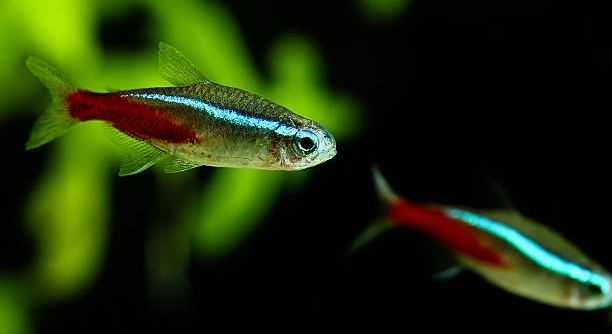
Is your tetra tank not looking as clean and lively as it used to? Sometimes, the signs of poor tank upkeep can be easy to miss, especially when everything seems fine at a glance.
Poor tank maintenance for tetras is often indicated by cloudy water, erratic swimming, faded colors, buildup of waste, algae overgrowth, unpleasant odor, and a sudden rise in illnesses. Each of these signs points to an unhealthy aquatic environment.
Recognizing these warning signs early can help protect your tetras and make tank care feel less overwhelming. Let’s explore what each of these signs really means for your fish.
Cloudy Water That Won’t Clear Up
Cloudy water can make your tank look unclean, but it’s also a sign that something isn’t right. When waste builds up or the filtration system isn’t working well, the water becomes murky. This can stress your tetras and affect their health over time. Uneaten food, decaying plants, and overcrowding all contribute to cloudy water. It may also indicate a bacterial bloom caused by imbalanced water conditions. Even if the tank looks foggy only some of the time, it still means your setup needs attention. Clean water is essential for keeping tetras active and healthy.
Cloudy water usually means the biological balance in your tank is off. This often happens in newer tanks or when regular cleaning is skipped.
Fixing this involves more than just a quick water change. Start by checking your filter and replacing any worn parts. Remove waste with a gravel vacuum and avoid overfeeding. Test your water for ammonia, nitrites, and nitrates. If the levels are off, do a partial water change—about 25%—and keep monitoring until it stabilizes. It also helps to rinse filter media in tank water, not tap water, to preserve helpful bacteria. A consistent cleaning routine will make a big difference and help your tetras stay healthy and active.
Strange Swimming Behavior
When your tetra swims sideways or stays near the surface too long, something might be wrong in the tank. This is often a reaction to poor water quality or stress.
Tetras rely on stable, clean water to behave normally. Unusual swimming—like darting, floating at the top, or staying hidden—can point to high ammonia levels, low oxygen, or sudden changes in temperature or pH. These shifts create a stressful environment that affects how your tetras move. Another cause can be a clogged or weak filter, which reduces water flow and oxygen levels. It’s important to observe these behaviors closely and act quickly. Adjusting the water parameters and improving tank maintenance can help fix the issue. Make sure the tank isn’t overcrowded and that the heater and filter are working correctly. Small changes in care can bring noticeable improvements in how your tetras behave and feel in their environment.
Faded Colors in Your Tetras
Faded colors often mean your tetras are stressed or not getting the right nutrition. Poor tank conditions and lack of hiding spots can also cause their bright hues to dull over time.
Color fading isn’t just about appearance—it’s usually a sign of discomfort. When tetras live in water with unstable temperature, high nitrate levels, or poor lighting, their colors can lose vibrancy. Stress from aggressive tank mates or overcrowding can make things worse. Inconsistent feeding or a lack of nutrients, especially color-enhancing foods, can also lead to dull coloration. If you notice your tetras looking pale, check water parameters, give them space to hide, and make sure their diet is balanced with quality flakes or frozen foods. A peaceful, clean environment brings their colors back.
Make water changes part of your routine, and keep the tank calm and quiet. Tetras feel safest when they can swim freely and rest when needed. Adding a few live plants gives them places to hide and reduces their stress levels. It’s also helpful to limit how often the lights are on—too much lighting can wear them down. A bit of attention to their environment and food goes a long way in helping your tetras look and feel their best.
Algae Growing Out of Control
Too much algae in the tank often means there’s an imbalance. It usually happens when there’s too much light, too many nutrients, or the tank hasn’t been cleaned regularly.
Algae thrive on leftover food, fish waste, and strong lighting. If your tank light stays on for more than 8 hours a day or if you’re feeding too often, algae will spread quickly. Overfeeding increases nutrient levels, and skipping water changes gives algae more time to grow. Start by trimming light time and feeding smaller amounts once or twice a day. Clean the glass, decorations, and plants gently but regularly. Adding live plants helps too—they absorb extra nutrients that algae would use.
A strong filter helps control algae, but it’s not enough by itself. Make sure your filter is working well and not clogged. Stick to weekly 25% water changes, vacuum the gravel, and rinse decorations with tank water. Avoid using chemical cleaners—they harm fish and good bacteria. If algae are still spreading, try introducing algae-eating fish like otocinclus or snails, but only if your tank size allows. Keeping everything balanced is the best way to prevent algae from taking over and making your tank look and feel unhealthy.
Strong or Unpleasant Odor
A strong odor coming from your tank usually means waste is building up or something is rotting. This can be caused by uneaten food, dead plants, or even a hidden dead fish.
A clean, healthy tank shouldn’t have much of a smell at all. If it does, it’s time to clean.
Frequent Illness in Tetras
When tetras get sick often, it usually points to poor tank conditions. Dirty water, sudden changes in temperature, or leftover food can weaken their immune systems. Parasites and infections thrive in these environments. You might notice white spots, clamped fins, or labored breathing. These signs shouldn’t be ignored.
Good tank habits make a difference. Regular water testing helps you catch problems before they affect your fish. Quarantine new fish before adding them to your tank. Clean equipment and remove waste often. Keep the water temperature steady and don’t overcrowd the tank. Healthy conditions help tetras stay active, bright, and illness-free.
Filter Not Working Properly
If the filter isn’t moving water well, the tank can quickly become unsafe. A weak or dirty filter can’t remove waste, causing the water to become toxic.
How often should I clean my tetra tank to avoid poor maintenance?
Cleaning your tetra tank regularly is key to keeping your fish healthy. A good rule of thumb is to perform partial water changes of about 25% every week. This removes waste and excess nutrients that cause cloudy water and algae growth. Cleaning the gravel and decorations once or twice a month also helps remove leftover food and debris. Check the filter monthly and rinse filter media with tank water to avoid killing beneficial bacteria. Consistency in cleaning keeps water quality stable and your tetras comfortable.
What causes cloudy water in a tetra tank, and how can I fix it?
Cloudy water usually comes from a bacterial bloom, too much waste, or an overworked filter. Overfeeding is a common cause, as leftover food decomposes and pollutes the water. To fix cloudy water, reduce feeding, clean the tank, and check that your filter is functioning well. Testing water parameters helps identify if ammonia, nitrites, or nitrates are too high. Partial water changes and improving filtration often clear up cloudy water in a few days.
Why do my tetras swim strangely or stay at the surface?
Unusual swimming patterns often mean poor water quality or stress. When oxygen levels drop or toxins build up, tetras may gasp at the surface or swim erratically. Sudden changes in temperature or pH can also cause this behavior. Check water parameters and ensure your filter and heater work properly. Improving water quality and reducing stressors usually restores normal swimming.
What should I do if my tetras’ colors start to fade?
Faded colors often signal stress, illness, or poor nutrition. Make sure your tetras have a balanced diet with quality foods that include color-enhancing ingredients. Keep water parameters stable and avoid overcrowding to reduce stress. Providing hiding spots with plants or decorations gives them a safe place to relax. Regular maintenance and good care bring their vibrant colors back.
How do I control algae growth without harming my tetras?
Algae grow when there’s too much light or nutrients in the water. Limit tank lighting to 6–8 hours a day and avoid overfeeding. Regular water changes and cleaning surfaces remove excess nutrients. Adding live plants helps by using nutrients algae need. Introducing algae-eaters like snails or otocinclus fish can be safe if your tank size allows. Avoid harsh chemicals; they can hurt tetras and disrupt the tank’s balance.
Why does my tank smell bad, and how can I stop it?
A bad smell usually means waste is accumulating or there’s decaying matter inside. Uneaten food, dead plants, or a hidden dead fish cause odors. Cleaning the tank regularly, removing debris, and performing partial water changes stop bad smells. Proper filter maintenance helps by breaking down waste. Keep an eye on water quality and remove any dead material quickly.
What are the signs that my filter isn’t working well?
If water movement slows down or stops, or if debris floats around, your filter may be clogged or broken. A weak filter can’t clean the water properly, leading to toxic buildup. Check the filter for blockages, clean or replace parts as needed, and make sure it’s sized correctly for your tank. A well-functioning filter keeps water clear and safe for tetras.
Can overcrowding cause problems in my tetra tank?
Yes, overcrowding leads to stress, poor water quality, and disease outbreaks. Too many fish produce more waste than the tank can handle, which overloads the filter and pollutes the water. This causes cloudy water, algae growth, and sick fish. Follow recommended stocking levels, usually about one inch of fish per gallon of water, to keep the tank balanced and healthy.
How do temperature changes affect my tetras?
Tetras are sensitive to sudden or extreme temperature changes. Water that is too warm or too cold stresses them and lowers their immune system. This can lead to faded colors, strange swimming, and illness. Keep the tank temperature steady, ideally between 74°F and 80°F, using a reliable heater and thermometer. Avoid placing the tank near drafts or direct sunlight.
Is it necessary to quarantine new fish before adding them to my tetra tank?
Quarantining new fish is important to prevent introducing diseases. New fish may carry parasites or infections that can spread quickly in your main tank. Keep new fish in a separate quarantine tank for two weeks and watch for any signs of illness. Treat if necessary before adding them to your established tank. This step protects your tetras and keeps the tank healthy.
Maintaining a tetra tank takes regular care and attention. Keeping the water clean, monitoring the filter, and watching your fish’s behavior are all important parts of good tank upkeep. Poor maintenance can lead to cloudy water, faded colors, and unhealthy fish, but these problems can be prevented or fixed with simple steps. Regular water changes, proper feeding, and cleaning help create a healthy environment where your tetras can thrive. It’s important to stay consistent with tank care to avoid bigger problems later on.
When you notice signs like algae buildup, strange swimming, or bad smells, it means your tank needs extra care. These signs are your tank’s way of telling you that something isn’t right. Taking quick action can prevent illness and improve the quality of life for your tetras. Using tools like water tests and following a cleaning schedule makes tank maintenance easier and more effective. Remember, a well-maintained tank not only looks better but also keeps your fish happy and healthy.
In the end, caring for a tetra tank is about balance. Giving your fish the right environment, clean water, and good food supports their health and colors. While it may seem like a lot at first, developing simple routines can make tank maintenance manageable. Over time, you will learn what your tetras need to stay lively and beautiful. Paying attention to small details and acting on warning signs helps keep your aquarium a safe and enjoyable space for your fish.

Hello,
If you enjoy the content that we create, please consider saying a "Thank You!" by leaving a tip.
Every little bit helps us continue crafting quality advice that supports the health, happiness, and well-being of pets around the world, for pets of all shapes, sizes, and species.
We really appreciate the kindness and support that you show us!