
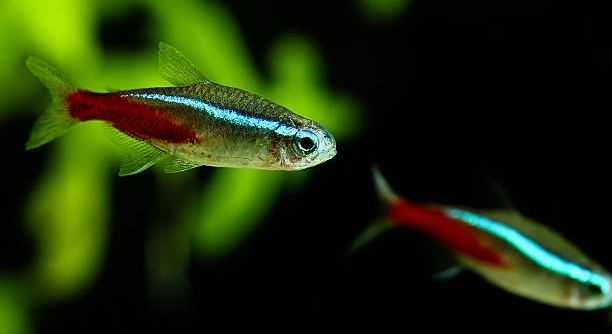
Tetras are small, colorful fish that many people enjoy keeping in home aquariums. Their lively behavior often makes owners wonder about their intelligence and abilities. Understanding how tetras interact with their environment is important for proper care.
Tetras do have a simple form of memory that allows them to recognize familiar objects and remember certain experiences. Their memory helps them respond to food, avoid dangers, and navigate their surroundings, though it is not as complex as that of mammals.
Learning about tetra memory can improve how you care for these fish. Exploring their behavior reveals surprising details that many aquarium owners find helpful and interesting.
How Tetras Use Their Memory in Everyday Life
Tetras rely on memory to survive and thrive in their environment. They remember where they found food and recognize safe hiding spots to avoid predators. This memory helps them learn routines, such as when feeding time happens in an aquarium. Though their memory lasts only a short time compared to larger animals, it is enough to help them adapt to changes in their surroundings. For example, tetras quickly learn to avoid areas where they once encountered threats. Their ability to remember patterns allows them to interact more effectively with other fish in the tank. This simple memory system supports their daily behavior and contributes to their survival in both natural and captive habitats.
Memory in tetras is mostly short-term but crucial for their daily activities and safety.
Understanding how tetras use memory can improve their care. By recognizing the cues they respond to, owners can create a more comfortable environment. Regular feeding schedules and consistent tank conditions help tetras feel secure. Additionally, avoiding sudden changes reduces stress, allowing their memory to function well. This knowledge allows for better interaction and helps keep the fish healthy and active.
Factors That Affect Tetra Memory
Several factors influence how well tetras can remember and learn. Stress, tank size, water quality, and social environment play significant roles in their cognitive function. Poor conditions can reduce memory ability, while a stable environment supports it.
Stress and poor water conditions can weaken a tetra’s memory.
Tetras are sensitive to their environment. High stress from overcrowding or aggressive tank mates can interfere with their ability to remember. Clean, well-maintained water keeps their brain functioning properly. In addition, social interactions help stimulate their learning; tetras often recognize and remember other fish. However, too much noise or disturbance can cause confusion and reduce memory retention. Proper care that minimizes stress and promotes a calm environment helps maintain their natural memory skills. These factors are important to consider for anyone wanting healthy, alert tetras in their aquarium.
How Long Can Tetras Remember Things?
Tetras have a relatively short memory span, usually lasting a few seconds to minutes. This limited memory is enough for basic survival but does not support complex learning or long-term recall.
Their short memory helps them react quickly to immediate dangers and food sources. For example, if a tetra spots a predator or a threat, it can remember this for a brief time to avoid that area. Similarly, when food is introduced, tetras learn to associate the sight or smell with feeding. However, their memory fades quickly, meaning they don’t remember details from hours or days before. This limitation is common in many small fish species with simple nervous systems.
Despite the short duration, tetras show signs of learning through repetition. They can recognize feeding times if these happen regularly. This routine helps them develop habits based on repeated experiences, showing their memory, although brief, is functional and practical for daily life.
Signs Tetras Recognize Their Owners
Tetras can learn to recognize the presence of their owners, especially during feeding times. They associate certain movements or sounds with food.
This recognition is based on repeated exposure and conditioning. Over time, tetras respond eagerly when they see their owner approaching, often swimming to the front of the tank. They may even come close to the glass, waiting for food. While this is not a complex emotional bond, it shows their ability to remember patterns and associate actions with rewards. This behavior demonstrates their memory works well enough to connect specific people with positive outcomes.
Owner recognition also depends on consistency. Frequent, predictable feeding routines reinforce this memory. If feeding happens irregularly or if the tank environment changes often, tetras might not show the same level of recognition. Understanding these signs can help owners build better interactions with their fish and improve care by keeping feeding times steady and calm.
Can Tetras Learn Tricks?
Tetras can learn simple behaviors, such as swimming through hoops or following a finger. These learned actions are based on repetition and rewards like food.
Their ability to learn is limited but shows they can adapt to new experiences when trained patiently.
How Tetras Communicate with Memory
Tetras use memory to recognize signals from other fish. They remember social cues, such as who is dominant or part of their group. This helps maintain order in the tank. By recalling previous interactions, tetras can avoid conflict and establish social bonds, which is important for peaceful community living.
Impact of Age on Tetra Memory
As tetras grow older, their memory may decline slightly. This natural change can affect how well they learn and respond to their environment.
Can tetras really remember things for more than a few minutes?
Tetras have short-term memory that usually lasts from a few seconds to a few minutes. This memory is enough for them to react to food, danger, or changes in their environment. While they don’t remember details for long periods, repeated experiences can build simple habits. For example, a tetra may learn to expect food when the owner approaches the tank. This limited memory is typical for small fish with simple brains, and it helps them survive in everyday situations without needing complex recall.
How do tetras recognize their owners?
Tetras recognize owners mainly through repeated actions, such as feeding routines or tank maintenance. They associate the owner’s presence with food or safety. This recognition comes from pattern memory rather than emotional bonding. When the owner approaches, tetras often swim near the glass or become more active. They may respond to the sound or movement linked with feeding. Consistent interaction and feeding schedules reinforce this behavior, making recognition stronger over time.
Can tetras learn tricks like other pets?
Tetras can learn simple behaviors, but their learning ability is limited. They may respond to cues, like following a finger or swimming through a small hoop, especially when food rewards are involved. Training takes patience and repetition. The tricks are basic because their memory is short and their cognitive skills are simple. Still, teaching tetras these small tasks shows they can adapt to their environment and interact with owners in playful ways.
Do tetras have long-term memory?
Tetras do not have long-term memory similar to mammals or birds. Their memory mostly focuses on short-term needs, like finding food or avoiding danger. However, they can form habits based on repeated experiences, which is a kind of simple memory. For example, regular feeding times help tetras remember when to expect food, even if they don’t recall the details from day to day. Their memory system is functional for survival but limited in complexity.
What factors affect a tetra’s memory?
Several factors influence how well tetras remember things. Stress is a major factor — overcrowded tanks, aggressive fish, or poor water quality can reduce memory ability. Stable and clean environments help maintain healthy brain function. Social interactions also impact memory; tetras remember other fish and their social roles. Consistent feeding routines improve memory performance. Sudden changes or noisy environments can cause confusion and reduce their ability to recall.
Can tetras get stressed from changes in their environment?
Yes, tetras are sensitive to changes and can become stressed when their tank conditions fluctuate. Stress affects their health and memory, making it harder for them to learn or recognize their surroundings. Keeping water quality steady, avoiding overcrowding, and maintaining a calm environment help reduce stress and support their memory and behavior.
How does age affect tetra memory?
As tetras age, their memory and learning ability may decline slightly. Older tetras may be slower to recognize feeding cues or other fish. This is a natural part of their life cycle. Providing a stable environment and gentle care can help older tetras remain comfortable even if their memory weakens.
Is it normal for tetras to forget things?
Yes, it is normal because tetras have simple short-term memory. Forgetting is part of how their brain works. They remember important things briefly but do not retain detailed memories long-term. This allows them to focus on immediate survival rather than complex memory tasks.
Can tetras remember danger or threats?
Tetras can remember danger for a short time. If they encounter a predator or a harmful situation, they learn to avoid that area temporarily. This quick memory helps keep them safe. However, because their memory is short, they may forget these dangers if the threat is not repeated.
How can I help my tetra improve its memory?
Maintaining a clean, stress-free tank with regular feeding schedules supports tetra memory. Consistency helps tetras learn and remember better. Avoid sudden changes and keep a calm environment. Social interaction with other peaceful fish also stimulates memory. Gentle training with food rewards encourages learning simple behaviors. All these actions contribute to keeping a tetra’s memory active and functioning well.
Tetras have a simple but effective memory system that helps them in daily life. Their memory is mostly short-term, lasting from seconds to a few minutes, which is enough to react to food, danger, and changes in their surroundings. Although they cannot remember things for long periods like mammals, they still form habits based on repeated experiences. This ability allows tetras to recognize feeding routines and familiar people, making their behavior more predictable. Understanding this basic memory capacity can help aquarium owners create better care plans for their fish, providing an environment that supports their natural abilities.
The memory of tetras is influenced by many factors, including stress, water quality, and social environment. When tetras live in clean, stable tanks with peaceful companions, their memory and behavior improve. On the other hand, overcrowding, aggressive tank mates, and poor water conditions can harm their memory function and overall health. Owners should aim to keep conditions consistent and calm to help tetras maintain their simple learning skills. Regular feeding times and gentle handling also support their memory by building reliable patterns they can recognize. By knowing how their memory works, owners can avoid common problems and keep tetras more comfortable and healthy.
Even though tetras have limits in what they can remember, they still show signs of learning and adapting to their environment. They may not have complex memories or emotions, but their ability to respond to owners and remember routines adds interest to their care. This small fish’s memory is enough to support its survival and daily interactions in the tank. Paying attention to these facts can improve how owners manage their aquariums and enjoy the company of their tetras. Proper care that respects their memory limits will help these fish live longer and more active lives.

Hello,
If you enjoy the content that we create, please consider saying a "Thank You!" by leaving a tip.
Every little bit helps us continue crafting quality advice that supports the health, happiness, and well-being of pets around the world, for pets of all shapes, sizes, and species.
We really appreciate the kindness and support that you show us!