
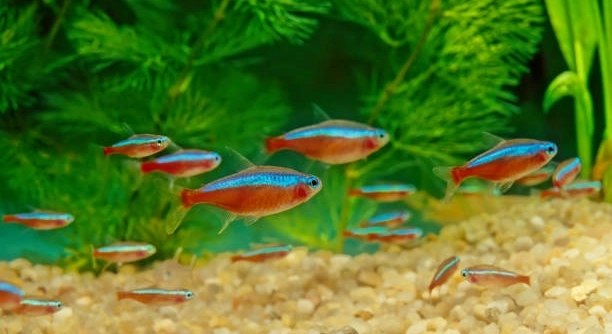
Is your Tetra tank looking cloudy and unclear? A cloudy aquarium can spoil the beauty of your fish’s home and make maintenance frustrating. Many fish owners face this issue but don’t always know the best way to fix it.
Cloudy water in a Tetra tank usually results from excess waste, uneaten food, or bacterial blooms. Proper cleaning, regular water changes, and ensuring balanced filtration are essential steps to clear the water effectively and maintain a healthy environment.
Simple adjustments in care and maintenance can make a big difference in water clarity. These easy fixes will help you restore your tank’s clarity and keep your fish comfortable.
Understanding the Causes of Cloudy Water
Cloudy water in a Tetra tank often happens due to several factors. One common cause is leftover food that breaks down and creates waste in the water. When fish are overfed, uneaten food sinks to the bottom, decomposes, and clouds the tank. Another reason is the buildup of fish waste, which releases ammonia and other chemicals that affect water clarity. Bacterial blooms can also cause water to look milky. These blooms happen when beneficial bacteria rapidly multiply, often in a new or recently cleaned tank. Poor filtration is another key factor; if the filter isn’t strong enough or is clogged, it can’t remove particles and impurities properly. Additionally, tap water containing minerals or chemicals can contribute to cloudiness. Knowing these causes helps in taking the right steps to clear the water and keep your tank healthy.
Cloudy water is a sign that the tank’s balance is off. Fixing these issues will improve water quality and fish health.
Maintaining a clean tank requires regular feeding habits, proper filtration, and scheduled water changes. It’s important to monitor your fish’s behavior and tank conditions closely. Regularly removing leftover food and waste prevents buildup that clouds water. Using a good quality filter appropriate for your tank size ensures effective cleaning. If bacterial blooms appear, patience and stability are key; avoid over-cleaning as it can disrupt beneficial bacteria. Testing water parameters like ammonia, nitrite, and nitrate levels will guide maintenance efforts. Finally, treating tap water before adding it to the tank can reduce unwanted minerals and chemicals. By addressing these factors, you can keep your Tetra tank clear and comfortable for your fish.
Cleaning and Maintenance Tips
Regular cleaning helps prevent cloudy water. Small daily habits keep the tank balanced.
Start by removing uneaten food after feeding and vacuuming the substrate weekly to clear debris. Avoid overfeeding by giving only what your fish can eat in a few minutes. Change 10 to 20 percent of the water weekly to dilute waste and pollutants. Clean the filter monthly but avoid washing filter media with tap water, as this can kill beneficial bacteria. Instead, rinse it gently in tank water. Checking water quality weekly with test kits can catch issues early. Using a water conditioner to remove chlorine and chloramine before adding new water protects fish and bacteria. These simple steps can maintain clarity and prevent many common problems in your Tetra tank.
Keeping a consistent routine in cleaning and monitoring will ensure your tank remains clear and your fish thrive.
Adjusting Feeding Habits
Overfeeding is a common reason for cloudy water in Tetra tanks. Fish usually need less food than many people think. Feeding small amounts once or twice a day helps prevent leftover food from decomposing.
Giving only the right portion size keeps the tank cleaner and reduces waste buildup. Uneaten food settles on the bottom and breaks down, causing water to turn cloudy. Monitoring your fish during feeding can help you judge how much they eat. Removing any uneaten food promptly is also important. Switching to high-quality food that produces less waste can improve water quality. Proper feeding not only keeps the water clear but also supports fish health.
Changing feeding habits can make a big difference in tank maintenance. It’s better to feed less frequently and in smaller amounts. This prevents excess nutrients from promoting bacterial growth and algae blooms, which cloud the water. When feeding, observe your Tetras carefully and adjust the quantity as needed. Feeding frozen or live food occasionally can add variety without polluting the tank as much. Overall, balanced feeding contributes significantly to maintaining clear water and a healthy environment.
Improving Filtration Efficiency
Using the right filter size is crucial for clear water. A filter that matches the tank’s volume removes waste effectively and keeps water clean.
Filters work by trapping debris and supporting beneficial bacteria that break down harmful substances. A clogged or weak filter will fail to maintain water clarity. Regular maintenance includes cleaning filter parts without removing beneficial bacteria. Using mechanical, biological, and chemical filtration together ensures the best results. Mechanical filtration removes particles, biological filtration breaks down waste, and chemical filtration removes toxins. Upgrading to a stronger filter or adding an additional one can help if the tank is overcrowded or heavily stocked. Keeping the filter in good condition is key to preventing cloudy water and ensuring a healthy tank.
Managing Bacterial Blooms
Bacterial blooms often cause cloudy water after tank cleaning or setup. They appear as a milky haze and usually clear up on their own.
Keeping a stable environment with proper filtration and avoiding over-cleaning helps control bacterial growth. Patience is important during this process.
Performing Regular Water Changes
Regular water changes reduce waste and toxins. Changing 10 to 20 percent of the water weekly keeps conditions balanced and prevents cloudiness from building up.
Consistent partial water changes dilute harmful substances and replenish essential minerals. Using dechlorinated water prevents stress to fish and helps maintain clear, healthy water.
Using Water Conditioners
Water conditioners neutralize chlorine and chloramine in tap water, which can harm fish and beneficial bacteria. They also help break down ammonia.
Adding water conditioner during every water change protects fish and supports the tank’s biological balance, reducing the chance of cloudy water.
FAQ
Why is my Tetra tank water cloudy even after cleaning?
Cloudy water after cleaning often happens because beneficial bacteria get disturbed or removed. These bacteria help break down waste. When they are reduced, bacterial blooms may occur, making water look milky. It’s important to clean gently, avoid replacing all the filter media at once, and allow time for the bacteria to re-establish. Keeping a stable environment prevents repeated cloudiness.
How often should I clean my Tetra tank to avoid cloudy water?
Cleaning frequency depends on tank size and fish load. Generally, partial water changes and substrate vacuuming once a week help maintain clarity. Filters need monthly maintenance without over-cleaning. Avoid complete water changes or heavy scrubbing all at once, as this can disrupt balance. Keeping a regular, gentle routine is best.
Can overfeeding cause cloudy water?
Yes, overfeeding leaves uneaten food that decomposes and clouds the water. It also increases waste from fish. Feeding small amounts your fish can consume within a few minutes prevents leftover food. Removing excess food and adjusting feeding amounts helps keep water clear.
What type of filter is best for a Tetra tank?
A filter with mechanical, biological, and chemical filtration works best. Mechanical filtration traps particles, biological filtration breaks down waste with bacteria, and chemical filtration removes toxins. The filter should match the tank size and be maintained regularly to work efficiently.
Is cloudy water harmful to my Tetras?
Cloudy water itself is usually not directly harmful but signals poor water quality that can stress fish and lead to health problems. High levels of ammonia, nitrites, or nitrates often accompany cloudiness. Testing water parameters and fixing the cause is important to protect fish health.
Can tap water cause cloudiness?
Sometimes, tap water contains minerals or chemicals that make aquarium water cloudy. Using a water conditioner to neutralize chlorine and chloramine is essential. Letting new water sit before adding it or using a filter for tap water can reduce cloudiness.
How long does it take for a cloudy tank to clear up?
Clearing cloudy water depends on the cause. Bacterial blooms may clear in a few days with stable conditions. Removing waste and improving filtration can show results quickly, sometimes within 24-48 hours. Persistent cloudiness might need further troubleshooting.
Should I use additives or chemicals to clear cloudy water?
Additives can help in some cases but are not a long-term solution. Fixing the underlying issue, like overfeeding or poor filtration, is more important. Some water clarifiers bind particles to settle faster, but they don’t solve root causes.
Does lighting affect water clarity?
Excessive light can promote algae growth, which may cloud water. Keeping aquarium lighting on a timer and avoiding direct sunlight helps control algae. Proper lighting supports fish health without encouraging algae blooms.
Can live plants help reduce cloudy water?
Live plants absorb nutrients and waste, improving water quality naturally. They can reduce algae growth by competing for resources. Adding plants can help maintain clear water and create a healthier environment for Tetras.
What should I do if the water remains cloudy after trying fixes?
If cloudiness persists, test water for ammonia, nitrites, nitrates, and pH. Poor water chemistry may require more frequent changes or tank adjustments. Consider consulting an aquarium expert for complex issues or diseases affecting water clarity.
Keeping your Tetra tank clear takes some attention, but it doesn’t have to be difficult. Cloudy water is usually a sign that something in the tank’s balance needs adjusting. It can happen for several reasons, like leftover food, waste buildup, or bacterial blooms. Understanding these causes helps you take the right steps to fix the problem and keep your tank healthy. Regular maintenance, careful feeding, and proper filtration are key to avoiding cloudy water in the future. With consistent care, your tank can stay clear and comfortable for your fish.
Maintenance routines don’t have to be complicated. Small actions like feeding your fish only what they need, changing part of the water regularly, and cleaning the filter gently can go a long way. Overfeeding is a common mistake that often leads to cloudiness, so paying attention to how much food your Tetras actually eat can prevent many issues. Filtration also plays a big role; choosing the right filter for your tank and keeping it well-maintained supports good water quality. If you notice cloudy water, don’t rush to clean everything at once, as this might upset the beneficial bacteria your tank relies on.
It’s important to be patient when fixing cloudy water. Sometimes, it takes a few days for the tank to clear up after changes. Avoid quick fixes that don’t address the root causes, like using chemical clarifiers without adjusting feeding or filtration. Testing your water regularly helps you understand what might be wrong and shows if your efforts are working. Keeping your tank stable and balanced will protect your fish and make your aquarium more enjoyable to care for. Taking time to learn and apply these simple steps leads to a clearer tank and healthier Tetras.

Hello,
If you enjoy the content that we create, please consider saying a "Thank You!" by leaving a tip.
Every little bit helps us continue crafting quality advice that supports the health, happiness, and well-being of pets around the world, for pets of all shapes, sizes, and species.
We really appreciate the kindness and support that you show us!