
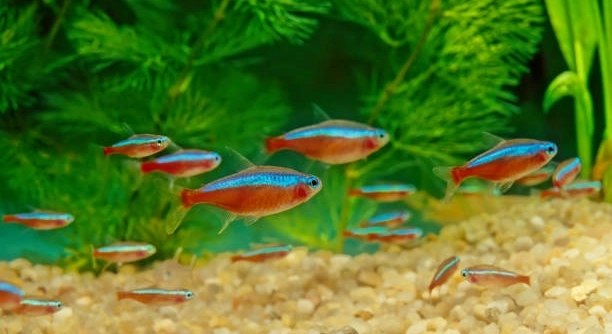
Tetra glass surfing is a behavior some aquarium hobbyists notice in their fish. It involves fish repeatedly swimming along and against the glass walls of their tank. Understanding why this happens can help improve the well-being of these small, colorful fish.
Tetra glass surfing behavior is caused by several factors including stress, poor water quality, lack of stimulation, overcrowding, illness, improper diet, and unsuitable tank conditions. Each factor affects the fish’s environment and health, leading to this repetitive swimming pattern.
Knowing the causes behind glass surfing allows aquarists to make informed changes in care. These adjustments can reduce stress and create a healthier habitat for their tetras to thrive.
Stress and Anxiety in Tetras
Stress is a common reason why tetras begin glass surfing. Changes in their environment, such as loud noises, sudden movements, or new tankmates, can cause anxiety. When tetras feel unsafe, they may swim frantically against the glass as a way to cope. This behavior is often a sign they are uncomfortable or scared. It’s important to observe any recent changes in the tank and reduce potential stressors. Keeping the environment calm and consistent helps tetras feel secure. Providing plenty of hiding spots with plants or decorations also offers them safe areas to retreat. Stress not only causes glass surfing but can weaken their immune system, making them vulnerable to illness. Careful attention to the tank setup and routine can prevent anxiety and promote healthier behavior in your fish.
Stress can lead to repetitive swimming, so calming the environment is key to stopping this behavior.
Creating a peaceful tank requires minimizing sudden changes and noise. Maintaining stable water conditions and avoiding overcrowding reduces tension. Gradual introductions of new fish and regular feeding schedules also help tetras adjust smoothly. A calm atmosphere encourages natural swimming patterns and improves their overall well-being.
Poor Water Quality
Dirty or unbalanced water often causes tetras to surf the glass. Ammonia, nitrites, and nitrates build up quickly if the tank is not cleaned regularly. These toxins irritate fish and cause discomfort. Tetras respond by trying to escape the harmful environment, often swimming against the glass. Testing water parameters weekly is essential to keep conditions safe. Partial water changes help remove waste and maintain clarity. Overfeeding or inadequate filtration can worsen water quality, so feeding sparingly and using efficient filters are important steps. Clear, clean water improves fish health and reduces stressful behaviors. Keeping the tank well-maintained supports the natural activity of tetras and prevents glass surfing caused by irritation or toxicity.
Regular water testing and proper maintenance stop water issues that trigger surfing.
Maintaining a clean tank takes effort but is vital for fish health. Filters should be cleaned without removing beneficial bacteria. Water changes should replace about 20-30% of the tank volume weekly. Avoid overcrowding to keep waste low. Feeding only what tetras can eat in a few minutes limits leftover food. Clear water with balanced chemistry helps fish feel comfortable and reduces their urge to swim anxiously against the glass. Simple care routines can make a big difference in preventing glass surfing due to poor water quality.
Lack of Stimulation
Tetras need an engaging environment to stay active and healthy. A bare tank with little decoration or plants can cause boredom, leading to glass surfing.
Providing plants, rocks, and hiding spots creates a more natural space that encourages exploration. When the tank feels empty, tetras may swim repeatedly along the glass simply because they have nowhere else to go. Adding variety helps reduce this behavior by keeping their minds occupied. Changing the layout occasionally also prevents boredom and promotes natural swimming habits. An enriched environment benefits their mental and physical health, making glass surfing less common.
Introducing toys or floating objects can further encourage interaction and reduce repetitive swimming. Lighting changes that mimic natural daylight cycles also support activity. These small adjustments make a big difference in preventing boredom-induced glass surfing in your tetras.
Overcrowding and Tank Size
Overcrowding stresses tetras and limits their swimming space, often causing them to surf the glass. Too many fish in a small tank create competition for oxygen and territory, increasing anxiety.
Each tetra needs enough room to swim comfortably and establish its place. Overcrowding results in poor water quality and higher aggression, which may push fish to glass surfing as an escape behavior. It is important to follow recommended stocking levels based on tank size. Regular monitoring helps ensure that the tank does not become too crowded over time. Providing sufficient space and compatible tankmates promotes calm behavior and reduces the chances of glass surfing.
A properly sized tank allows tetras to swim freely and interact naturally. Spreading out the population minimizes stress and territorial disputes. This creates a healthier environment where fish are less likely to display repetitive, nervous behaviors.
Illness and Parasites
Illness can cause tetras to act restless, leading to glass surfing. Parasites or infections make fish uncomfortable, and they may swim repeatedly as a response.
Sick fish often show other signs like faded colors or loss of appetite. Quick diagnosis and treatment improve recovery chances and reduce this behavior.
Improper Diet
A poor diet can affect a tetra’s health and behavior. Lack of proper nutrients weakens their immune system and causes stress, which may result in glass surfing.
Feeding a balanced diet designed for tetras supports their energy levels and overall well-being, helping reduce repetitive swimming caused by discomfort or weakness.
Unsuitable Tank Conditions
Inappropriate tank temperature or pH levels stress tetras. Unstable or incorrect water parameters can cause discomfort, triggering glass surfing as the fish try to escape the unfavorable environment.
Regularly checking and adjusting water conditions is necessary for keeping tetras comfortable and preventing stress-related behaviors.
FAQ
Why do tetras swim against the glass so much?
Tetras swim against the glass mainly because they are stressed, bored, or uncomfortable. This behavior can be caused by poor water quality, overcrowding, or a lack of stimulation. When their environment is not ideal, they may repeat this action as a sign of distress or an attempt to escape. Making changes like improving water conditions or adding decorations can help reduce this behavior.
Is glass surfing harmful to tetras?
Glass surfing itself is not directly harmful, but it usually signals that something is wrong in the tank. Continuous stress from glass surfing can weaken their immune system, making them more prone to illness. It is important to identify and fix the cause to keep your tetras healthy and prevent long-term damage.
How can I stop my tetras from glass surfing?
To stop glass surfing, start by checking water quality and cleaning the tank regularly. Ensure the tank size is adequate for your fish and avoid overcrowding. Add plants, rocks, or decorations to create a more stimulating environment. Keep the water parameters stable and feed your fish a balanced diet. These steps will make your tetras feel safer and less likely to swim against the glass.
Can a new fish cause glass surfing?
Yes, introducing new fish can cause stress and lead to glass surfing, especially if the tank is small or the new fish are aggressive. New arrivals disrupt the established social order, causing anxiety in tetras. Quarantine new fish first and introduce them slowly to minimize stress and prevent glass surfing behavior.
Does lighting affect glass surfing?
Lighting plays a role in fish behavior. Too much or too little light can stress tetras, encouraging repetitive swimming. Using a light cycle that mimics natural daylight helps maintain their routine. Avoid sudden changes in lighting and provide shaded areas with plants or decorations to help fish feel secure.
Can glass surfing be a sign of illness?
Yes, glass surfing can indicate illness or parasites. If your tetras swim against the glass excessively and show other signs like clamped fins, faded colors, or loss of appetite, they may be sick. Check water quality and consult a vet or aquarium specialist for diagnosis and treatment.
How often should I clean my tank to prevent glass surfing?
Cleaning the tank once a week with a partial water change (about 20-30%) is ideal. This keeps water parameters stable and reduces toxins that irritate fish. Overfeeding and poor filtration can quickly degrade water quality, so monitor these regularly. Proper tank maintenance is key to preventing stress and glass surfing.
Is tank size really important for tetras?
Tank size is very important. Tetras need enough space to swim freely and avoid stress caused by crowding. A small tank with many fish increases competition for oxygen and territory, making tetras anxious and more likely to surf the glass. Following recommended stocking guidelines ensures a comfortable environment.
What decorations help reduce glass surfing?
Plants, rocks, and caves provide hiding spots and break up open swimming areas, reducing boredom and stress. Floating plants or driftwood create shaded zones, making fish feel safer. Changing the layout occasionally keeps the environment interesting and encourages natural behavior, helping stop repetitive swimming.
Can diet changes improve glass surfing behavior?
Yes, feeding a balanced diet with high-quality flakes, pellets, or frozen foods keeps tetras healthy and energized. Nutritional deficiencies cause stress and weaken the immune system, making glass surfing more likely. Feeding small amounts several times a day mimics natural feeding and supports well-being.
Should I quarantine fish to prevent glass surfing?
Quarantining new fish before adding them to the main tank reduces the risk of introducing diseases or parasites that stress tetras. A healthy tank environment helps prevent glass surfing caused by illness. Quarantine also helps new fish adjust gradually, lowering stress for everyone.
Can tank mates cause glass surfing?
Aggressive or overly active tank mates can stress tetras and lead to glass surfing. It’s important to choose compatible species that won’t bully or compete heavily. Observing interactions and separating fish if needed maintains peace and reduces anxiety-driven behaviors.
How do water parameters affect tetra behavior?
Tetras thrive in stable conditions: temperature between 72-78°F, pH around 6.5-7.5, and low hardness. Sudden changes or extremes cause discomfort, leading to glass surfing as fish try to escape unfavorable water. Regular testing and gentle adjustments maintain balance and calm behavior.
Is it normal for tetras to surf glass occasionally?
Occasional glass surfing can happen, especially if fish are exploring or reacting to reflections. However, frequent or continuous surfing usually signals an underlying problem. Watching for other signs of stress or illness helps determine if action is needed.
Can stress from handling cause glass surfing?
Handling, moving, or sudden tank changes can stress tetras, causing them to swim anxiously against the glass. Minimizing disturbances and allowing time to adjust after any change helps reduce this behavior.
Are there natural ways to reduce glass surfing?
Yes, creating a natural-like environment with plants, proper tank size, and compatible fish reduces stress. Stable water conditions and regular feeding also help. Avoiding loud noises and sudden movements near the tank supports calm behavior.
What should I do if glass surfing continues despite care?
If glass surfing continues, consider consulting an aquatic specialist. There may be hidden health issues or subtle environmental problems. Detailed water testing, observation, and professional advice can help find a solution to improve your tetras’ well-being.
Glass surfing in tetras is a common behavior that signals something is not quite right in their environment. It usually happens because the fish feel stressed, bored, or uncomfortable. Many causes can lead to this repetitive swimming, including poor water quality, overcrowding, or lack of stimulation. By paying attention to these factors, aquarists can create a better living space for their tetras and help reduce this behavior. Understanding what makes your fish surf the glass is the first step toward improving their health and happiness.
Maintaining a clean and stable tank is essential to preventing glass surfing. Regular water testing and partial water changes keep the water safe and comfortable for tetras. Overcrowding can raise stress levels, so it is important to provide enough space for each fish to swim freely. Adding plants, decorations, and hiding spots makes the environment more interesting and natural. This reduces boredom and gives tetras places to feel secure. Feeding a balanced diet and monitoring tank conditions also support their well-being. All these efforts work together to create a calm, healthy habitat where glass surfing becomes less common.
If glass surfing continues despite these steps, it may be a sign of illness or other hidden issues. Observing your fish closely for additional symptoms like color changes or loss of appetite can help identify if medical attention is needed. Sometimes, consulting an aquarium specialist can provide useful guidance for tricky situations. Overall, keeping a thoughtful eye on your tank and responding quickly to any problems helps your tetras live better lives. With proper care, you can enjoy watching healthy, active fish instead of repetitive glass surfing.

Hello,
If you enjoy the content that we create, please consider saying a "Thank You!" by leaving a tip.
Every little bit helps us continue crafting quality advice that supports the health, happiness, and well-being of pets around the world, for pets of all shapes, sizes, and species.
We really appreciate the kindness and support that you show us!