
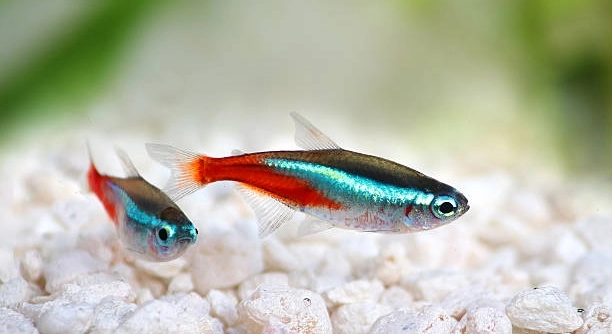
Are your tetras looking a little sluggish lately, or not as vibrant as they used to be? Immune health plays a big role in keeping your fish active, colorful, and thriving in their aquatic environment.
Boosting immune health in tetras involves maintaining clean water conditions, offering a balanced and varied diet, reducing stress, and ensuring proper tank setup and care. These elements work together to support a strong and healthy immune system.
Learning how each of these factors helps your tetras stay healthy can make a real difference in their quality of life.
Keep the Water Clean and Stable
Maintaining clean and stable water is the first and most important step for keeping your tetras healthy. Poor water quality can quickly lower their immune defenses, making them more likely to get sick. Ammonia, nitrites, and unstable pH levels are especially harmful. Use a good water testing kit at least once a week and perform partial water changes regularly. Ideally, change 25–30% of the water every week to prevent waste build-up. A reliable filter is also essential—it helps remove debris and supports beneficial bacteria. Sudden changes in temperature or pH should be avoided, as tetras are sensitive to fluctuations. Consistency is key. Always dechlorinate tap water before adding it to the tank, and make sure it’s the same temperature as the aquarium. Keeping the tank environment clean and stable allows your tetras’ immune systems to focus on staying strong instead of fighting off stress from poor conditions.
Check the filter weekly to ensure it’s running properly and not clogged. This helps avoid sudden water quality issues.
Good water quality supports the overall health of your tetras and gives their immune system the foundation it needs to work efficiently. A well-maintained tank means less stress and fewer health problems over time.
Feed a Balanced and Varied Diet
Tetras need more than just flakes to stay healthy. A varied diet supports their immune system and helps them maintain energy, color, and activity.
Offer a mix of high-quality flakes or pellets, frozen or freeze-dried foods like bloodworms and daphnia, and the occasional vegetable-based treat. Feeding a wide range of foods ensures they get different vitamins, minerals, and nutrients essential for immune function. Rotate the foods every few days to keep their diet interesting and complete. Avoid overfeeding, as excess food can pollute the tank and cause stress. Feed small portions two times a day, only what they can finish in a couple of minutes. Also, check that the foods are suitable for small mouths and easy to digest. Balanced nutrition helps tetras fight off infections, recover faster from stress, and live longer. Paying attention to what you feed them can really improve their health and overall appearance. It’s a small effort that makes a big difference.
Reduce Stress in the Tank
Stress weakens the immune system and can make your tetras more likely to get sick. Too much movement, loud noises, or aggressive tank mates can cause long-term stress in small fish like tetras.
Keep their tank in a quiet place away from sudden movements or loud sounds. Avoid tapping on the glass or making changes too often. Tetras do best in groups of six or more, so they feel safe and act naturally. Add hiding spots like plants, driftwood, or caves to give them places to rest. Use a gentle filter to avoid strong currents, as they prefer calm water. Don’t overcrowd the tank, and try to keep a consistent routine when feeding or cleaning. A peaceful environment helps reduce stress, and that gives their immune system more energy to stay strong and fight off illness.
Watch for signs of stress like hiding, erratic swimming, or faded color. These may mean something in the tank is making them uncomfortable. Adjust lighting if it’s too bright, and make sure their tank mates are peaceful. Some fish may nip at fins or chase them, which adds unnecessary stress. Keeping their environment calm and predictable is one of the best things you can do to help boost immune health.
Maintain Proper Tank Temperature
Tetras are sensitive to temperature changes, and keeping their water at the right level helps their immune system stay strong. Sudden drops or spikes can cause stress and lower resistance to disease.
Use a reliable heater and thermometer to keep the temperature steady between 74°F and 78°F. Check it daily, especially during seasonal changes or if your room temperature fluctuates. Avoid placing the tank near windows, heaters, or air vents, as these can cause sudden shifts. If the tank light gives off heat, make sure it’s not affecting the overall temperature too much. Fluctuating water conditions can make tetras sluggish, more vulnerable to parasites, or even shorten their lifespan. It’s worth investing in a quality heater that maintains a stable environment. When temperature stays consistent, their bodies can focus on growth, digestion, and immunity instead of reacting to stress from the water being too cold or too hot.
Quarantine New Fish
New fish can carry parasites or infections that may harm your tetras. Quarantining them in a separate tank for at least two weeks helps prevent the spread of illness and keeps your main tank safe.
Use a small, filtered tank for quarantine and monitor the new fish closely. Look for signs of illness like spots, frayed fins, or unusual behavior before adding them to the main tank.
Avoid Overcrowding
Too many fish in one tank leads to poor water quality, more waste, and added stress. This weakens immune systems and raises the risk of illness. Stick to proper stocking guidelines based on tank size. A general rule is one inch of fish per gallon of water.
Give each fish enough space to swim and breathe comfortably. Overcrowding often causes aggression, which leads to injuries or constant stress. These conditions make it harder for tetras to stay healthy. Keeping the tank well-spaced also helps your filter work better and keeps the water cleaner, which supports stronger immune function overall.
Use Supplements Wisely
Some vitamin supplements or immune boosters can be added to food or water. Use them only as needed and follow the instructions carefully. They can help during recovery or added stress but are not a replacement for good care.
FAQ
How do I know if my tetra has a weak immune system?
Tetras with weak immune systems may show signs like faded color, lack of energy, clamped fins, or irregular swimming. They may hide more often, eat less, or seem slower than usual. You might also notice them getting sick more often or not recovering well from minor issues. Fungal spots, white patches, or frayed fins can also be early signs of a health problem. These symptoms don’t always mean something serious, but they do suggest your tetra may be under stress or that its immune system needs support. Keeping a close eye on behavior changes helps catch problems early.
Can poor lighting affect my tetra’s immune health?
Yes, poor lighting can lead to stress, which affects immune health. Too much light can make them feel exposed and anxious, while too little can interfere with their natural rhythm. Tetras do best with a consistent light cycle—around 8 to 10 hours of light per day. Use a timer to help manage the cycle, and provide shaded areas or plants where they can hide. Balanced lighting helps regulate their daily activity, encourages natural behavior, and reduces stress. A calm and consistent environment helps their bodies stay focused on growth and defense, not survival.
What foods help improve tetra immunity?
Foods that are rich in vitamins and proteins help strengthen tetra immune systems. High-quality flakes or pellets with added vitamins are a good base. Supplement with frozen or freeze-dried foods like bloodworms, brine shrimp, and daphnia for variety. You can also add occasional plant-based options like blanched spinach or spirulina-based food. Feeding a range of textures and ingredients helps them get different nutrients. Just be sure everything is in small, bite-sized pieces and offered in moderation. A balanced and varied diet gives their immune system the fuel it needs to stay active and fight off infections.
How often should I clean the tank to support their immune health?
Partial water changes once a week are ideal for most tanks. Change around 25–30% of the water to remove waste and keep toxins low. Clean the filter media gently in tank water once a month—never under tap water, as it can kill helpful bacteria. Vacuum the gravel regularly to remove debris that settles at the bottom. Avoid doing full cleanings unless there’s an emergency, as this can remove too much beneficial bacteria. A clean tank helps reduce harmful stress and supports a healthy environment where the immune system can function properly.
Do tetras need live plants to stay healthy?
Live plants are not required, but they help improve tank conditions. Plants absorb some waste, provide oxygen, and offer hiding spots that reduce stress. Tetras enjoy swimming through plants, and the cover helps them feel more secure. Live plants also create a more natural environment that supports better mental and physical health. While fake plants are fine, real ones can make a small but meaningful difference in reducing stress and improving water quality. Less stress and cleaner water both help strengthen immune function. Choose low-maintenance plants like java fern, anubias, or hornwort to keep things simple.
Can tetras recover from illness without medicine?
It depends on the illness and the condition of the fish. In early stages, mild issues like minor fin tears or stress-related behavior can improve with better water quality, rest, and a healthy diet. Clean, stable tank conditions and low stress help the immune system do its job. However, for bacterial or parasitic infections, medicine may be necessary. It’s important to act quickly and isolate sick fish if needed. Supporting their immune system with high-quality food and clean water increases the chance of recovery. Always monitor closely and adjust care based on how the fish responds.
What’s the best way to introduce new fish safely?
Always quarantine new fish in a separate tank for at least two weeks. This step helps you watch for any signs of illness and prevents spreading problems to your main tank. During this time, feed them well and check for behavior changes or visible symptoms. Once they look healthy and active, slowly acclimate them to the main tank’s temperature and water. Use the drip method or add small amounts of main tank water over time. Moving slowly reduces stress, which is better for their immune system and safer for your existing tetras.
Final Thoughts
Keeping your tetras healthy doesn’t have to be complicated. Most of their immune health comes down to basic care. Clean water, a balanced diet, stable temperature, and a calm environment all play an important role. These small steps help your fish stay strong and fight off illness naturally. It’s easier to prevent problems than to fix them after your fish become sick. A healthy tank means your tetras can stay active, colorful, and comfortable. They rely on their environment to support their immune system, so it’s important to give them a setup that meets their needs.
Every action you take in your tank matters. Something as simple as skipping a water change or adding too many fish at once can create stress that weakens their immunity. Paying attention to the small details—like not overfeeding, choosing peaceful tank mates, or offering hiding spots—can make a big difference. You don’t need special products or advanced equipment to keep your tetras healthy. What matters most is consistency. When your tank stays clean and your fish are well-fed and calm, their immune system works better without needing outside help. Good habits lead to stronger fish and fewer problems over time.
Remember that tetras are small and sensitive. Their health can change quickly if something in their tank goes wrong. Watching them each day, even for just a few minutes, helps you notice changes early. If they seem more tired, hide often, or stop eating, it could mean something is off. Making small adjustments right away can often fix the issue before it turns into a bigger problem. Supporting immune health isn’t just about reacting to sickness—it’s about creating a space where illness is less likely to happen in the first place. With a bit of attention and care, your tetras can live long, healthy lives in a safe and stable home.

Hello,
If you enjoy the content that we create, please consider saying a "Thank You!" by leaving a tip.
Every little bit helps us continue crafting quality advice that supports the health, happiness, and well-being of pets around the world, for pets of all shapes, sizes, and species.
We really appreciate the kindness and support that you show us!