
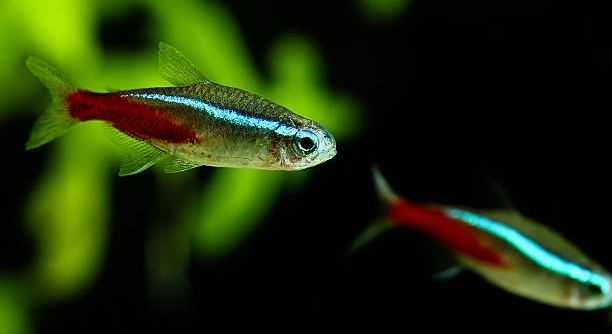
Have you ever found yourself unsure of how to properly care for newly hatched tetra fry in your home aquarium? Setting up a safe and functional tank can feel overwhelming at first.
To set up a tetra fry tank, start by preparing a small, separate aquarium with clean, heated, and filtered water, using a sponge filter to prevent fry from being sucked in. Add live plants for shelter and monitor water parameters closely.
Understanding each step of the setup process can help create a healthy environment where your fry can grow safely and thrive with minimal stress.
Step 1: Set Up a Separate Tank
A separate tank is important when raising tetra fry. Adult fish may eat the fry, so keeping them apart helps improve survival rates. Choose a tank that’s at least 10 gallons. Smaller tanks can work, but they require more frequent maintenance. Rinse the tank with warm water, avoiding soap or chemicals. Set it on a stable surface away from direct sunlight. Add a heater and a thermometer to keep the temperature steady between 78–80°F. Tetra fry are sensitive to sudden changes in temperature, so keeping it stable is important. You’ll also need a sponge filter—this helps clean the water without creating strong currents that might harm the fry. Sponge filters are gentle and also provide surfaces for helpful bacteria to grow. Fill the tank with dechlorinated water and let everything run for 24 hours before introducing the fry. This gives time for the temperature to stabilize and the filter to start working.
A quiet, clean setup gives the fry the best chance at growing strong. Keeping it simple helps you avoid unnecessary stress and keeps the tank easier to manage.
If you plan to raise multiple batches of fry, having a dedicated tank also helps you track growth and feeding more easily over time.
Step 2: Add a Sponge Filter
Sponge filters are ideal for fry tanks because they gently move water while keeping it clean. They don’t suck up small fry like regular filters might.
To install a sponge filter, connect it to an air pump using airline tubing. Place it in the corner of the tank so it doesn’t disturb swimming space. Sponge filters are easy to clean—just rinse them in tank water during water changes. They provide both mechanical and biological filtration, meaning they trap debris and support healthy bacteria. These bacteria are essential for breaking down waste and keeping water conditions stable. Tetra fry need steady water quality to avoid stress and illness. If your water gets too dirty, the fry can get sick or stop growing. Try not to overfeed, and remove uneaten food to avoid clogging the sponge. A clean, well-maintained filter goes a long way in supporting the fry’s growth. Check the air pump regularly to ensure steady flow and make adjustments if needed.
Step 3: Maintain Warm, Stable Water
Tetra fry need warm water between 78°F and 80°F. Use a reliable aquarium heater and place a thermometer inside the tank to track the temperature daily. Avoid sudden drops or spikes, as these can cause stress or harm the fry.
Check the temperature at the same time each day to keep it consistent. Avoid placing the tank near windows, air vents, or electronics that could affect the water’s warmth. During colder months, room temperature may fluctuate, so adjust your heater as needed. If the heater fails, keep a backup on hand to prevent problems. Stable water temperature supports the fry’s metabolism and growth. If the water gets too cold, the fry may become sluggish or stop eating. Too much heat can lower oxygen levels. Also, perform small, frequent water changes with water that matches the tank temperature to prevent any shock to the fry.
A consistent temperature helps reduce stress and supports healthy development. Even a small change in temperature can slow down growth or weaken their immune system. During water changes, use a thermometer to ensure the new water matches the tank exactly. Be gentle when adding it, and pour slowly to avoid stirring up the bottom or startling the fry. Keep lids secure to reduce heat loss.
Step 4: Keep the Tank Clean
Clean water is essential for keeping tetra fry healthy. Their immune systems are still developing, so poor water quality can lead to illness. Doing regular maintenance helps prevent problems and supports steady growth without overwhelming the tank’s natural balance.
Change about 10–15% of the tank water every two to three days using a small siphon or airline tubing. This keeps waste levels low without disturbing the fry. Use a turkey baster or pipette to remove uneaten food. Always treat new water with a dechlorinator, and try to match the temperature before adding it in. Avoid scrubbing surfaces too often—beneficial bacteria live there. Clean the sponge filter only when flow slows down, and always rinse it in old tank water to preserve helpful microbes. Monitor ammonia and nitrite levels weekly, using a basic test kit. If levels rise, increase water changes temporarily. A clean tank helps fry grow faster and stay healthier overall.
Step 5: Add Live Plants for Shelter
Live plants give tetra fry a safe place to hide and rest. Plants like java moss, guppy grass, and hornwort work well because they have fine leaves. These provide cover while also helping to keep the water clean and oxygenated.
Plants also create microhabitats where tiny organisms grow, giving fry a natural food source in their early days. Make sure the plants are healthy and free of pests before adding them. Rinse them in clean, dechlorinated water to avoid introducing anything harmful into the tank.
Step 6: Feed the Fry Properly
Tetra fry need small, frequent meals to grow. For the first few days, infusoria or commercial liquid fry food is best. As they grow, introduce freshly hatched baby brine shrimp and powdered fry food. Feed 3–4 times a day, but only what they can eat in a few minutes. Overfeeding can quickly dirty the water and harm the fry. Watch how much they eat and remove any uneaten food gently. Their digestive systems are still developing, so consistent feeding helps them grow steadily without stress. Keep portions small and monitor their response to each feeding.
Step 7: Monitor Their Growth
Keep an eye on how the fry are growing from day to day. Look for signs of steady growth and activity. If they stop eating or seem sluggish, check the water and feeding routine.
FAQ
How often should I change the water in a tetra fry tank?
Changing 10–15% of the water every two to three days keeps the tank clean without stressing the fry. Frequent small changes help maintain good water quality and reduce harmful waste buildup. Always use dechlorinated water that matches the tank temperature to avoid shocks.
What temperature is best for tetra fry?
Tetra fry grow best between 78°F and 80°F. Keeping the temperature steady is key because sudden changes can cause stress or even death. Use a reliable heater and thermometer to monitor the tank, and avoid placing the tank near drafts or direct sunlight.
Can I use regular fish food for tetra fry?
Regular adult fish food is too large and not suitable for tiny fry. Start with infusoria or commercial liquid fry food, then introduce baby brine shrimp and finely crushed powdered food as they grow. Feeding small, frequent meals supports their developing digestive systems.
Why is a sponge filter recommended?
Sponge filters provide gentle water flow and good filtration without sucking in the fragile fry. They also encourage beneficial bacteria growth, which helps break down harmful waste. This type of filter maintains stable water conditions, which is essential for fry health.
How do I prevent my tetra fry from being eaten?
The best way is to keep them in a separate tank. Adult tetras often eat their young, so isolating fry protects them. Adding live plants and hiding places also gives the fry shelter if they share a tank. Regular tank maintenance reduces stress, making them less vulnerable.
How much should I feed the fry each time?
Feed only what the fry can eat within two to three minutes, about 3–4 times daily. Overfeeding causes leftover food to pollute the water, which can harm the fry. Watch how quickly they eat and adjust portions to avoid waste.
What signs show my fry are healthy?
Healthy fry are active swimmers, eat regularly, and show steady growth. Their fins are clear and intact, and they avoid gasping at the surface. If fry appear sluggish, lose color, or stop eating, water quality or feeding might need checking.
Can I use tap water for the fry tank?
Tap water is safe only if it is treated with a dechlorinator to remove chlorine and chloramine. These chemicals harm tiny fry. Always test water parameters before adding water to the tank and make sure temperature matches to prevent shock.
How long does it take for tetra fry to grow?
Tetra fry typically grow quickly, reaching juvenile size within 6 to 8 weeks under ideal conditions. Growth speed depends on water quality, temperature, and feeding consistency. Providing a stable environment supports faster, healthier development.
What plants work best for a fry tank?
Java moss, guppy grass, and hornwort are excellent choices. They provide cover and help clean the water by absorbing nitrates. These plants are easy to care for and won’t require much maintenance while supporting fry safety and health.
Setting up a tetra fry tank takes some care and attention, but following clear steps makes the process manageable. It is important to prepare a separate tank with stable temperature and clean water, using equipment like a sponge filter to maintain gentle water flow. Live plants add safety and natural benefits that support fry growth. Feeding the fry small, frequent meals with the right food helps them develop properly. Maintaining water quality through regular water changes is essential to avoid health issues and stress.
Watching the fry closely during their early stages helps catch problems early. Monitoring their activity, growth, and appetite lets you know if the environment suits them well. Temperature consistency, clean water, and proper nutrition are key factors in ensuring the fry grow healthy and strong. It can be helpful to keep notes or a schedule to track water changes, feeding times, and temperature checks. This makes it easier to spot any changes that could harm the fry.
Though it may seem challenging at first, raising tetra fry becomes easier with practice. Patience and careful observation are important throughout the process. Each tank may require small adjustments based on your specific conditions, but the basics stay the same. Providing a calm, clean, and safe environment gives the fry their best chance to thrive. Taking these steps will help you successfully raise healthy tetra fry, adding new life to your aquarium with confidence.

Hello,
If you enjoy the content that we create, please consider saying a "Thank You!" by leaving a tip.
Every little bit helps us continue crafting quality advice that supports the health, happiness, and well-being of pets around the world, for pets of all shapes, sizes, and species.
We really appreciate the kindness and support that you show us!