
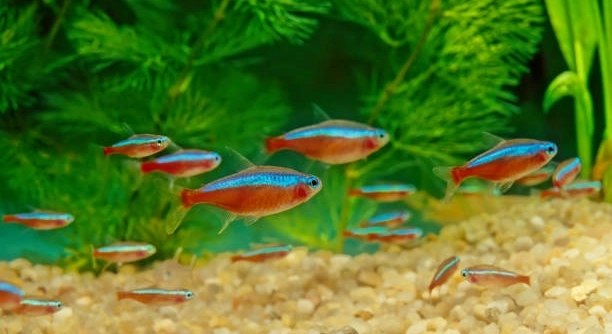
Are your wild-caught tetras showing signs of stress, refusing food, or struggling to adapt to their new tank environment? Keeping them healthy and comfortable can be a challenge, especially for those new to wild-caught fish care.
Caring for wild-caught tetras involves replicating their natural environment, maintaining stable water parameters, offering a varied diet, and minimizing stress through proper tank setup and compatible tankmates. These steps support their health, reduce aggression, and encourage natural behavior in captivity.
With the right care techniques, your wild-caught tetras can thrive beautifully and live a long, healthy life in your aquarium.
Provide a Natural Habitat Setup
Wild-caught tetras are sensitive to change and thrive best in an aquarium that closely resembles their natural environment. Start by using a soft, sandy substrate and include driftwood, leaf litter, and live plants to offer hiding spots and create a sense of security. Dim lighting and a low-flow filter will help reduce stress and mimic slow-moving streams and blackwater rivers, where many tetras originate. These elements support their need for shelter and calm. Always make sure your tank is fully cycled before introducing them, as sudden spikes in ammonia or nitrite can be harmful. Stable water conditions, including a slightly acidic pH and warm temperature around 75–80°F, are essential. Avoid loud noises or frequent tank adjustments.
Creating a stable, low-stress environment helps your wild-caught tetras feel safe and adjust more quickly to life in captivity.
When your setup mirrors their origin, you’ll notice calmer behavior, better feeding responses, and improved overall health.
Maintain Consistent Water Quality
Consistency is key when it comes to keeping wild-caught tetras healthy. Sudden shifts in water temperature, pH, or hardness can cause serious stress.
Use a reliable heater to maintain steady temperatures and invest in a quality test kit for monitoring pH, ammonia, nitrite, and nitrate levels. Wild-caught tetras typically prefer a pH between 5.5 and 6.8, with soft water and minimal hardness. Weekly partial water changes are important—change about 25% of the water, and always match the temperature and parameters of the replacement water. Be cautious with tap water; using a water conditioner helps remove chlorine and heavy metals. Avoid overfeeding, as uneaten food contributes to ammonia buildup. A sponge filter or gentle canister filter is a great option to keep the water clean without creating too much current.
Keeping your water quality stable not only supports your tetra’s immune system but also encourages natural colors and reduces signs of stress.
Offer a Balanced, Varied Diet
Wild-caught tetras are used to feeding on small insects, larvae, and organic debris in their native waters. They need a variety of food sources to stay healthy in captivity.
Start with high-quality micro-pellets or flakes designed for small tropical fish. Supplement their diet with live or frozen foods like daphnia, brine shrimp, or bloodworms two to three times a week. These protein-rich options help mimic their natural feeding habits and support their immune system. You can also include finely chopped vegetables such as blanched spinach or zucchini once a week to provide fiber and additional nutrients. Avoid overfeeding and remove uneaten food promptly to keep water conditions stable. Watch how they respond to each food type to adjust portions and variety accordingly.
Feeding a balanced mix supports growth, boosts coloration, and helps your tetras adapt better to life in the tank. It also encourages natural foraging behavior and keeps them more active.
Minimize Stress and Aggression
Tetras feel safer in groups. Always keep them in schools of at least six to eight individuals. A proper group size reduces nervous behavior and prevents fighting or nipping.
Avoid placing wild-caught tetras with aggressive or large tankmates. Peaceful, similarly sized species such as small rasboras, pencilfish, or Corydoras are better companions. Give them plenty of space to swim and create clear territories using plants, rocks, or wood to break up lines of sight. Reduce external stress by keeping noise and sudden movement around the tank to a minimum. Regular maintenance, including cleaning and consistent water changes, also helps keep them calm. If you notice signs of stress like hiding, rapid breathing, or clamped fins, check water parameters and feeding routines first.
Creating a peaceful, structured tank environment encourages calm social behavior and allows your tetras to thrive with confidence.
Quarantine Before Adding to Tank
Always quarantine wild-caught tetras for at least two weeks before introducing them to your main aquarium. This helps prevent the spread of parasites or diseases to your established fish. Use a separate tank with similar water conditions and observe closely.
During quarantine, monitor their eating habits, behavior, and physical health. Look for signs like white spots, torn fins, or unusual swimming. Treat any visible issues with appropriate medications before moving them into the main tank. Quarantine protects your existing fish and gives new tetras time to adjust without added pressure.
Limit Bright Lighting
Wild-caught tetras are sensitive to bright light, which can stress them and cause them to hide more often. Use dim or adjustable lighting and add floating plants to diffuse brightness.
Keep the Tank Covered
Wild-caught tetras are active and may jump, especially when startled. Keep your tank securely covered to avoid accidents and protect them from injury.
FAQ
How often should I feed wild-caught tetras?
Feeding wild-caught tetras once or twice a day is ideal. Give them only what they can eat within two to three minutes to avoid leftover food fouling the water. Small, frequent meals help mimic their natural feeding habits and keep them healthy without overloading the tank.
Can wild-caught tetras live with other fish?
Yes, but it’s best to keep them with peaceful species that have similar size and water needs. Avoid large or aggressive fish, as these can stress or harm your tetras. Suitable tankmates include small rasboras, Corydoras, and other gentle community fish.
How do I know if my wild-caught tetras are stressed?
Signs of stress include hiding constantly, clamped fins, rapid gill movement, loss of appetite, and unusual swimming patterns. Stress can result from poor water quality, aggressive tankmates, or sudden environmental changes. Addressing these factors quickly helps prevent illness.
What water parameters are best for wild-caught tetras?
Maintain a temperature between 75–80°F (24–27°C), a pH of 5.5 to 6.8, and soft water with low hardness. These conditions closely replicate their natural habitat and reduce stress. Regular testing and partial water changes keep the environment stable and healthy.
How long do wild-caught tetras typically live?
With proper care, wild-caught tetras can live 3 to 5 years, sometimes longer. Lifespan depends on maintaining stable water quality, a balanced diet, and a stress-free environment.
What should I do if I notice disease symptoms?
Quarantine affected fish immediately. Identify symptoms such as white spots, fin rot, or lethargy, and treat them with appropriate medication. Early detection and treatment increase the chance of recovery and prevent disease spread.
Is it necessary to cycle the tank before adding wild-caught tetras?
Yes, a fully cycled tank with stable ammonia, nitrite, and nitrate levels is crucial before adding wild-caught tetras. They are sensitive to toxins and can become stressed or sick if water conditions are unstable.
Can wild-caught tetras adapt to flake food only?
They can adapt, but it’s best to offer a varied diet including live or frozen foods. This variety ensures proper nutrition and stimulates natural foraging behavior, keeping them healthier and more active.
How many wild-caught tetras should I keep together?
Keep at least six to eight wild-caught tetras in a group. They are schooling fish and feel more secure in numbers, which reduces stress and aggressive behavior.
What is the best way to introduce wild-caught tetras to the main tank?
After quarantine, slowly acclimate them by floating the sealed bag in the tank water for 15–30 minutes. Gradually mix tank water into the bag to equalize temperature and chemistry before releasing them gently into the tank. This process reduces shock and stress.
Should I use a filter with strong water flow?
Avoid strong currents, as wild-caught tetras prefer gentle water movement. Use a sponge or canister filter with adjustable flow to maintain water quality without stressing the fish.
Do wild-caught tetras need special lighting?
They prefer dim lighting similar to shaded natural habitats. Bright or harsh lighting can cause stress. Adding floating plants or adjusting light intensity helps create a comfortable environment.
What kind of plants work best in a tetra tank?
Live plants like Java fern, Anubias, and Amazon sword provide hiding spots and help maintain water quality. Floating plants also help diffuse light and reduce stress.
How often should I change the water?
Perform weekly partial water changes of about 25% to maintain stable water quality. Use conditioned water matched in temperature and pH to avoid sudden changes that stress fish.
Can wild-caught tetras breed in home aquariums?
Breeding wild-caught tetras can be difficult, as they need specific water conditions and plenty of hiding spots. They lay eggs on plants or surfaces, but raising fry requires separate tanks and careful care.
These answers help ensure your wild-caught tetras remain healthy and happy, improving your success as a caretaker.
Wild-caught tetras bring a unique beauty and natural charm to any aquarium. Their delicate colors and lively behavior add interest and life to your tank. However, caring for these fish requires attention to detail and an understanding of their specific needs. They are more sensitive than captive-bred fish and need stable water conditions, a proper diet, and an environment that mimics their natural habitat. When these basic needs are met, wild-caught tetras can adapt well to life in captivity and show their best colors and natural behavior.
Maintaining consistent water quality is one of the most important aspects of caring for wild-caught tetras. They thrive in slightly acidic, soft water with stable temperatures around 75 to 80 degrees Fahrenheit. Sudden changes in water parameters or poor filtration can cause stress, which leads to illness or even death. Regular testing and partial water changes help keep water conditions stable and safe for these fish. A natural setup with soft substrate, plants, and hiding spots helps reduce stress and creates a comfortable space where the tetras feel secure. Proper tankmates and keeping them in groups also contribute to their well-being by reducing aggression and promoting social behavior.
Feeding a varied diet that closely resembles their natural food sources supports their health and growth. Wild-caught tetras benefit from live or frozen foods like brine shrimp, daphnia, and bloodworms, alongside quality flakes or pellets. Avoid overfeeding, as uneaten food can degrade water quality quickly. Quarantining new fish before adding them to the main tank helps prevent diseases from spreading and gives the fish time to adjust. While these care steps may require more effort compared to keeping captive-bred fish, the reward is a thriving school of wild-caught tetras that brighten your aquarium and offer a closer connection to nature. With patience and consistency, they become a healthy and beautiful part of your aquatic environment.

Hello,
If you enjoy the content that we create, please consider saying a "Thank You!" by leaving a tip.
Every little bit helps us continue crafting quality advice that supports the health, happiness, and well-being of pets around the world, for pets of all shapes, sizes, and species.
We really appreciate the kindness and support that you show us!