
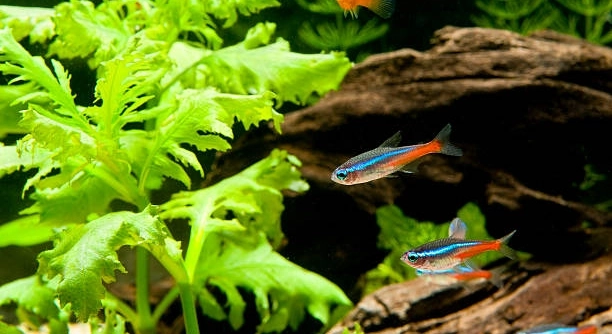
Do you keep hearing conflicting advice about caring for tetras and feel unsure about what’s actually true for your aquarium setup?
Many common myths about tetras continue to spread, causing confusion among new and experienced fish keepers. These misconceptions can lead to poor care decisions, unnecessary stress, and even harm to your fish if followed blindly.
Knowing which myths to ignore can help you create a healthier, more stable environment for your tetras and prevent avoidable problems down the road.
Myth 1: Tetras Can Live in Bowls
Keeping tetras in bowls is a common mistake, often based on the idea that small fish need only a small space. In reality, tetras are active swimmers that require room to move freely and thrive best in properly filtered aquariums. Bowls lack both filtration and surface area, which limits oxygen exchange and leads to rapid waste buildup. Without stable water conditions, tetras become stressed, sick, or die prematurely. A tank of at least 10 gallons, equipped with a filter and heater, offers the proper environment. When housed in a suitable aquarium, tetras live longer, display vibrant colors, and exhibit their natural schooling behavior, which they can’t do in a cramped bowl. Choosing a well-maintained tank over a bowl also makes it easier to regulate temperature and perform regular maintenance. Making this switch is a simple but effective step that greatly improves their quality of life and overall health.
A bowl may look convenient, but it creates unstable conditions that stress your fish. It’s not a suitable option for tetras.
Give your tetras a properly sized tank with the right equipment, and you’ll notice a clear difference in their behavior and appearance.
Myth 2: Tetras Don’t Need a Heater
Tetras are tropical fish and need stable temperatures between 74°F and 80°F to stay healthy and active. A heater is essential.
Fluctuating temperatures can stress your tetras, weaken their immune systems, and make them more vulnerable to illness. While some people believe room temperature water is fine, most rooms don’t stay within a safe range consistently, especially at night or during colder seasons. Without a heater, water can quickly drop below their comfort zone. These fluctuations aren’t always obvious, but they add unnecessary stress over time. A good heater maintains a steady temperature, giving your fish a stable environment to thrive in. It’s especially important in colder climates or during seasonal changes. Skipping a heater may not cause immediate problems, but it puts your tetras at risk in the long run. Ensuring proper heat also helps them maintain their natural behavior and metabolism, which supports better digestion and overall health.
Myth 3: Tetras Can Live Alone
Tetras are schooling fish and do best in groups of at least six of their own kind. Keeping one or two alone can cause constant stress.
When tetras are kept alone, they often become withdrawn, stop eating properly, or show signs of anxiety like darting around or hiding. They rely on their group to feel secure and express natural behaviors. A small group lets them swim in coordinated patterns and interact socially, which reduces stress and supports good health. Without this, they’re more likely to become sick or display abnormal behavior. Even in a community tank, tetras need a group of their own species to feel safe. If space is a concern, consider getting a smaller species of tetra, like ember tetras, but always in a group. Social stability is one of the easiest ways to support their health and keep their behavior balanced.
Loneliness in tetras doesn’t just lead to boredom—it affects their overall well-being. Group living supports stronger immunity and natural behavior.
Myth 4: Tetras Can Eat Only Flake Food
Feeding tetras just one type of food may keep them alive, but it doesn’t meet all their nutritional needs. They benefit from a varied diet.
Tetras do eat flakes, but depending on flakes alone leads to limited nutrition. Over time, this can result in faded color, poor digestion, or a weaker immune system. Mixing in freeze-dried, frozen, or live foods like brine shrimp or bloodworms gives them necessary protein and promotes vibrant coloring. Even small portions of high-quality pellets can support better growth and energy levels. Adding occasional vegetable matter like blanched spinach or spirulina flakes helps round out their diet. You don’t need to feed everything at once—rotating foods throughout the week keeps things simple. A varied diet not only supports their health but encourages natural feeding behaviors. Small changes in feeding habits make a noticeable difference in their appearance and vitality.
Myth 5: Tetras Are Easy Starter Fish
Many people label tetras as beginner fish, but that can lead to careless care. They still require stable conditions, clean water, and proper feeding.
Tetras may be hardy compared to some species, but they’re sensitive to sudden changes in water quality or temperature. Proper care still takes planning.
Myth 6: Tetras Don’t Need Water Changes
Tetras rely on clean, stable water. Regular water changes remove excess waste, balance minerals, and help prevent disease. Skipping them leads to stress and health issues.
Myth 7: Tetras Can Be Mixed With Any Fish
Tetras may be peaceful, but they still need compatible tankmates. Avoid aggressive or fin-nipping species that might bully or injure them.
FAQ
Can tetras live with goldfish?
Tetras should not be kept with goldfish. Goldfish prefer cooler water, while tetras are tropical fish that need warmer, stable temperatures. Mixing the two often leads to stress or illness for one or both species. Goldfish also produce a lot of waste, which can create poor water conditions for tetras. Additionally, goldfish may nip at or eat smaller tetras. Even peaceful goldfish can accidentally injure tetras due to their size difference and different care needs. It’s best to keep tetras with other tropical fish that thrive in similar conditions and have peaceful temperaments.
How often should I feed my tetras?
Feed tetras once or twice a day with only as much food as they can eat in about two minutes. Overfeeding can cause water problems and health issues like bloating. Stick with small portions and vary their diet throughout the week to support their health. Alternate between flakes, freeze-dried, or frozen foods for better nutrition. If any food remains uneaten after a few minutes, remove it from the tank. Keeping feeding controlled and consistent helps maintain good water quality and keeps your fish healthy. Tetras do well on a steady schedule without too many snacks or extra feedings.
What’s the best tank size for tetras?
The minimum recommended tank size for tetras is 10 gallons, especially for small species like neon or ember tetras. However, more space is always better. A 20-gallon tank or larger gives your tetras more room to school and reduces aggression. Larger tanks also help keep water parameters more stable, making maintenance easier. Tetras are active swimmers and feel more secure in groups, so providing enough space is important for their comfort and health. If you plan to keep a mixed community tank, you’ll need to consider the space needs of all fish species, not just the tetras.
Do tetras need a filter in their tank?
Yes, tetras need a filter to maintain clean, oxygenated water. Filters help remove waste, excess food, and harmful chemicals like ammonia and nitrites. Without a filter, toxins build up quickly and make the tank unsafe. Even in small aquariums, filtration is essential for keeping water conditions healthy. Choose a gentle filter that doesn’t create strong currents, as tetras prefer calm or moderately flowing water. Clean your filter regularly and monitor its performance to make sure it’s working well. Filters make maintenance easier and reduce the need for frequent large water changes. They’re a key part of a healthy setup.
How many tetras should be kept together?
Tetras are schooling fish and should be kept in groups of at least six of the same species. Larger groups are even better, as they help the fish feel more secure and less stressed. Schooling behavior also brings out their natural patterns and vibrant colors. When tetras are kept in too small a group, they may become timid, anxious, or aggressive. They rely on each other for safety and social interaction. If you’re short on space, choose a smaller species like ember tetras, but still maintain a group of six or more. Group living is essential for their well-being.
Do tetras like plants in their tank?
Yes, tetras enjoy having live or artificial plants in their tank. Plants provide shelter, reduce stress, and help mimic their natural habitat. Live plants also improve water quality by absorbing nitrates and producing oxygen. Tetras often swim through plants and use them to hide when they feel threatened. Dense plantings or floating plants can help create a more peaceful environment, especially in a community tank. Plants also break up sightlines, which helps reduce any minor chasing or territorial behavior. Adding a mix of tall and short plants can create a balanced and natural look in your aquarium.
Can tetras change color?
Tetras can change color slightly due to stress, lighting, or water conditions. Dull colors often signal poor health or stress. This might happen after a water change, during transport, or if tankmates are bothering them. Once the fish feel safe and water conditions are stable, their colors usually return. High-quality food and a peaceful environment help maintain bright, natural coloring. Some species also appear brighter during certain times of the day or under specific lighting. If your tetras stay pale or lose color over time, it may be a sign of illness or poor water quality that needs attention.
Final Thoughts
Caring for tetras doesn’t need to be complicated, but it does require attention to their basic needs. Many myths make tetra care seem easier than it is, leading to common mistakes. These include keeping them in bowls, feeding only flakes, or assuming they can live alone. Tetras are active, social fish that do best in groups with proper equipment and clean water. They may be small, but they need the same care and planning as any other aquarium fish. By avoiding these myths, you can create a healthy, stable environment where your tetras can thrive.
The more you learn about your tetras, the better choices you can make for their care. Regular water changes, consistent temperatures, proper filtration, and a varied diet all play important roles in keeping them healthy. Small steps, like checking your tank size or choosing peaceful tankmates, make a big difference. Tetras are sensitive to their surroundings, and when their needs are met, they show it through vibrant colors and active behavior. Ignoring the myths doesn’t just prevent problems—it improves your whole aquarium setup and creates a more enjoyable experience for both you and your fish.
Taking the time to understand your tetras helps build a better tank, where every part works together to support their well-being. These fish are peaceful, colorful, and full of personality when given the right conditions. With a little effort, you can avoid common mistakes and provide a space that supports their natural behavior. Relying on proven care tips instead of outdated advice leads to better results. Tetras may be popular, but they still deserve thoughtful care. Making a few simple changes can go a long way toward keeping them healthy and happy for years to come.

Hello,
If you enjoy the content that we create, please consider saying a "Thank You!" by leaving a tip.
Every little bit helps us continue crafting quality advice that supports the health, happiness, and well-being of pets around the world, for pets of all shapes, sizes, and species.
We really appreciate the kindness and support that you show us!