
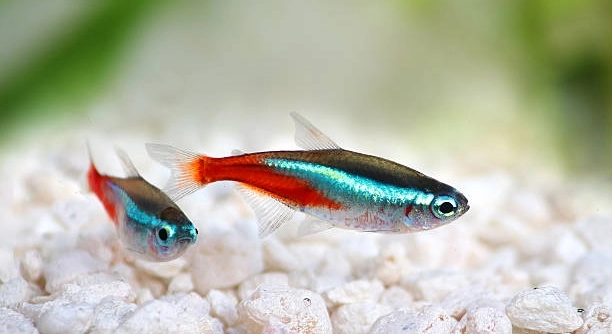
Moving your tetra to a bigger tank is an important step for its health and comfort. Many fish owners find this change necessary as their pet grows or when they want to improve the tank environment. A smooth transition helps reduce stress for the fish.
Transitioning a tetra to a larger tank requires careful preparation, gradual acclimation to new water conditions, and monitoring to avoid stress or shock. Proper steps ensure the fish adjusts well and maintains good health during the move.
Following these steps will help your tetra settle comfortably in its new home and thrive in the larger space. This guide breaks down the process clearly to support your fish’s well-being.
Preparing the New Tank
Before moving your tetra, it is important to prepare the bigger tank properly. Clean the tank thoroughly, making sure there is no soap or chemical residue. Fill it with fresh, dechlorinated water that matches the temperature of the current tank. This helps avoid temperature shock. Set up the new tank with plants, decorations, and a filter to create a comfortable environment. Cycling the tank beforehand is also important to build beneficial bacteria that support your fish’s health. Testing the water parameters—pH, ammonia, nitrites, and nitrates—ensures the new tank is safe. Taking these steps helps create a stable and welcoming habitat for your tetra when it arrives.
Make sure the water temperature and quality are very close to the old tank to prevent stress during the move.
Having a properly set-up and cycled tank reduces the risks that come with sudden changes. Fish are sensitive to new environments, so matching water conditions is key. Providing hiding places and plants helps your tetra feel secure. Gradual acclimation is easier when the tank is ready, promoting a smooth transition and keeping your fish healthy in its new space.
Gradual Acclimation Process
Slowly introducing your tetra to the new tank is critical.
Place your tetra, still in its original water, into the new tank’s environment by floating the bag on the surface. This equalizes the temperature. Over the next 30 minutes to an hour, add small amounts of water from the new tank into the bag. This helps your fish adjust to the water chemistry gradually. After this period, gently release the tetra into the tank. Avoid pouring the bag’s water into the tank to minimize contamination. Monitor your fish closely for signs of stress or illness during the first few days. This careful acclimation helps prevent shock and supports your tetra’s well-being in the larger home.
Monitoring Your Tetra After the Move
Watch your tetra closely for the first few days after the move. Look for changes in behavior, eating habits, or signs of stress. Early detection helps address any problems before they get worse. Maintaining a calm environment supports recovery and adjustment.
Keep the tank lights dim and avoid sudden movements around the aquarium. This reduces stress as your tetra adapts. Feed small amounts of food at regular times to encourage eating without overwhelming your fish. Checking water parameters daily during this period helps ensure stable conditions. If you notice signs of illness or unusual behavior, consider consulting an expert to protect your fish’s health.
If your tetra seems stressed, try adding live plants or hiding spots to make the new tank feel safer. This can help the fish regain confidence and settle more quickly. Regular gentle observation during this time is key to a successful transition.
Regular Tank Maintenance
Maintaining the larger tank is essential for your tetra’s long-term health. Perform regular partial water changes, typically 20–30% weekly, to keep the water clean and balanced. This helps remove waste and toxins that build up over time.
Cleaning the filter monthly ensures it works efficiently without disrupting beneficial bacteria. Test water quality regularly to catch any changes early. Removing uneaten food and debris prevents harmful conditions. A well-maintained tank creates a stable environment that supports your tetra’s growth and activity. Consistency in maintenance routines also helps you notice any changes in your fish’s behavior or health promptly. Keeping a checklist or schedule for tank care can make this easier to manage and help your tetra thrive in its bigger home.
Feeding Adjustments
Adjust feeding amounts to match your tetra’s new environment. Overfeeding can harm water quality quickly in a bigger tank. Start with smaller portions and observe your fish’s appetite carefully.
Feed your tetra two to three times daily, providing only what it can consume within a few minutes. This prevents leftover food from polluting the water and keeps the tank cleaner.
Checking Water Parameters Regularly
Testing the water regularly is essential to keep your tetra healthy. Monitor pH, ammonia, nitrite, and nitrate levels at least once a week. These indicators reveal the tank’s overall condition and stability.
If any parameter is off, take immediate steps to correct it. Proper water balance supports your tetra’s immune system and prevents disease. Using test kits and keeping a log can make this process easier and help catch issues early.
Avoid Overcrowding
Avoid adding too many fish to the new tank right away. Overcrowding causes stress and poor water quality, which can harm your tetra.
FAQ
How long should I wait before moving my tetra to the bigger tank?
It’s best to wait until your tetra shows signs of outgrowing its current space or if the water quality is difficult to maintain. Usually, this happens around 6 to 12 months after setting up the original tank. Moving too early can stress the fish, while waiting too long may harm its health.
Can I move multiple tetras at the same time?
Yes, moving them together is often less stressful since they are social fish. However, make sure the bigger tank can comfortably support all of them. Overcrowding leads to poor water quality and aggression. Acclimate them slowly, just like you would a single fish.
What if my tetra refuses to eat after moving?
It’s common for fish to stop eating for a day or two after a move. Keep feeding small amounts at regular intervals. If the fish still refuses food after three days, check water quality and look for signs of illness. Sometimes, stress or water imbalance causes this behavior.
Is it necessary to cycle the new tank before moving my tetra?
Yes, cycling the new tank is crucial. It builds the beneficial bacteria needed to break down harmful waste. Moving a fish into an uncycled tank can cause ammonia spikes, which are toxic. Make sure ammonia and nitrites are zero before transferring your tetra.
How can I reduce stress during the move?
Maintain stable water temperature and conditions between the old and new tanks. Use the gradual acclimation method by floating the bag and slowly mixing tank water into it. Minimize loud noises and sudden movements around the tank during this time.
Do I need to change the filter when moving to a bigger tank?
A larger tank usually requires a more powerful filter, but keep some filter media from the old tank. This preserves beneficial bacteria, helping maintain biological balance. Changing the filter completely can disrupt the tank’s cycle and increase stress on your fish.
How often should I check water parameters after the move?
Check water parameters daily for the first week after moving your tetra. This helps catch any changes that could stress your fish. Once the tank stabilizes, testing once a week is sufficient to maintain a healthy environment.
Can I use water from the old tank in the new tank?
Using some water from the old tank can help maintain familiar conditions and beneficial bacteria. However, do not transfer too much water to avoid carrying over waste or contaminants. A small amount, about 10-20%, is usually enough.
What signs indicate my tetra is stressed or sick after the move?
Look for erratic swimming, hiding, loss of appetite, clamped fins, or discoloration. Stress can weaken the immune system, making your tetra vulnerable to disease. If these signs persist, test water quality and consider consulting a vet or aquarium specialist.
How long does it take for a tetra to fully adjust to a bigger tank?
Adjustment time varies, but most tetras settle within one to two weeks. During this period, continue monitoring behavior and water parameters closely. Providing hiding spots and plants can help your fish feel more secure and speed up the adjustment.
Moving your tetra to a bigger tank is a meaningful step that can improve its health and happiness. The process requires care and attention to detail to ensure the fish adjusts well. Preparing the new tank carefully, including cleaning, cycling, and matching water conditions, helps create a stable environment for your tetra. Taking time to acclimate the fish slowly reduces stress and supports its well-being during the change.
After moving your tetra, it is important to keep a close eye on its behavior and the tank’s water quality. Watching for signs of stress or illness early allows you to act quickly if something goes wrong. Feeding smaller portions and maintaining a calm environment help your fish feel comfortable. Regular tank maintenance, like partial water changes and filter cleaning, keeps the habitat healthy and prevents issues from developing. With steady care, your tetra can thrive in its new space and enjoy better living conditions.
Remember that moving a fish requires patience and consistency. Avoid rushing the process or overcrowding the tank. Keeping water parameters stable and following proper feeding routines supports long-term health. Although the transition can be challenging, following the right steps makes it easier for your tetra to adapt. By giving your fish a safe, clean, and comfortable home, you contribute to its happiness and longevity.

Hello,
If you enjoy the content that we create, please consider saying a "Thank You!" by leaving a tip.
Every little bit helps us continue crafting quality advice that supports the health, happiness, and well-being of pets around the world, for pets of all shapes, sizes, and species.
We really appreciate the kindness and support that you show us!