
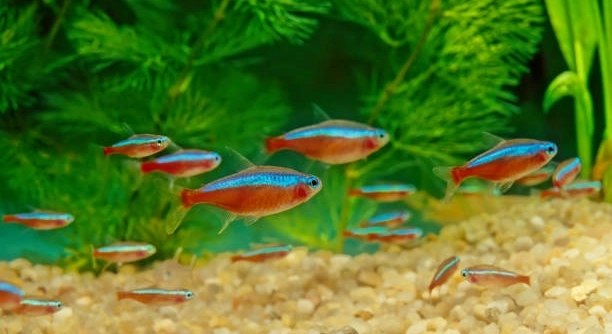
Choosing the right tank size for your tetra is important for its health and happiness. Many fish owners don’t realize how tank size affects water quality and the fish’s behavior. Proper space helps tetra thrive in a comfortable environment.
Selecting an appropriate tank size for tetra fish involves considering their small size, schooling nature, and need for stable water conditions. A tank of at least 10 gallons is recommended for a small group to ensure adequate swimming space and water quality.
Knowing the right tank size can prevent common issues and create a better home for your tetra. The following tips will help guide you in making the best choice.
Understanding Tetra Behavior and Space Needs
Tetras are small, active fish that enjoy swimming in groups. They naturally live in schools, which means they feel safest and most comfortable when kept with others of their kind. When deciding on tank size, it’s important to remember that tetras need enough space to swim freely and exhibit natural behaviors. Crowding can cause stress, leading to illness and reduced lifespan. A cramped tank also makes it harder to maintain good water quality. When tetras are stressed, they may become shy or aggressive, and their colors might fade. Observing their behavior can help you know if the tank size is suitable. If they seem restless or hide too much, it might be a sign to increase their space.
Providing enough room encourages healthy activity and social interaction. A well-sized tank promotes a happier, healthier tetra group.
A tank with at least 10 gallons for a small school is recommended. Adding more fish requires a larger tank to keep water conditions stable and avoid overcrowding.
Proper space reduces stress and improves water quality, both essential for tetra health. Keeping tetras in an appropriate tank size supports their natural behavior and longevity. Providing room for movement and group interaction helps prevent common issues like aggression and dull colors. A bigger tank also means less frequent water changes, making maintenance easier for you.
Factors to Consider When Choosing Tank Size
Tank size affects water temperature stability, filtration efficiency, and the ability to maintain clean water. Smaller tanks tend to have rapid changes in water parameters, which can be harmful to tetras. Larger tanks buffer these changes better, providing a more stable environment. Filtration is easier to manage in bigger tanks, and they also dilute waste more effectively. When picking a tank, consider the number of fish, their growth potential, and how much space each needs to swim comfortably.
Starting with a minimum of 10 gallons for a few tetras is good, but more space is needed as the group grows. Proper filtration and regular maintenance remain crucial regardless of size. Additionally, think about the tank’s shape; longer tanks provide more horizontal swimming space, which tetras prefer. A tank that is too tall but narrow limits their movement. Balance your space needs with your available room and budget to create the best environment possible.
Tank Material and Shape
Glass tanks are durable and scratch-resistant, making them a popular choice for tetra owners. Acrylic tanks are lighter and less prone to breaking but can scratch more easily. Consider the shape, as longer tanks offer more horizontal swimming space, which tetras prefer over tall, narrow tanks.
The shape of the tank impacts how much swimming room your tetras will have. A longer, wider tank provides more natural movement and reduces stress. Taller tanks may look nice but limit horizontal swimming, which is essential for active fish like tetras. When space is limited, prioritize length over height.
Weight and ease of cleaning are also important. Glass tanks can be heavy but are easier to clean thoroughly. Acrylic tanks are lighter but require careful cleaning to avoid scratches. Choose a tank material and shape that fits your living space and maintenance routine.
Number of Tetras and Tank Size
More tetras need more space to swim comfortably and maintain water quality. A common rule is one gallon of water per tetra, but this varies depending on the fish’s activity and filtration setup. Overcrowding can lead to stress and illness.
A small school of 5-6 tetras does well in a 10-gallon tank, but larger groups require more space. Adding extra tetras means increasing the tank size or improving filtration and maintenance. It’s important to avoid overcrowding to keep your fish healthy and active.
Tetras are social, so keeping them in groups improves their behavior and reduces stress. Make sure the tank size supports their social needs by providing enough room for swimming and hiding spots. Planning the tank size based on your intended number of fish helps create a stable, enjoyable environment.
Water Quality and Tank Size
Smaller tanks tend to have quicker changes in water quality, which can stress tetras. Larger tanks provide more stable water conditions by diluting waste and toxins more effectively.
Stable water quality is crucial for keeping tetras healthy and preventing diseases. A bigger tank helps maintain consistent temperature and chemical balance, reducing the risk of sudden shifts harmful to your fish.
Filtration Needs
Good filtration is essential regardless of tank size. Filters help remove waste, toxins, and debris, keeping the water clean and safe for tetras. Choose a filter rated for your tank size to maintain optimal conditions.
Future Growth and Tank Size
Tetras are small but can grow slightly larger than expected. Planning for their adult size ensures they have enough room throughout their life. Providing extra space avoids the need to upgrade tanks quickly.
FAQ
How many tetras can I keep in a 10-gallon tank?
A 10-gallon tank can comfortably hold about 5 to 6 adult tetras. This size provides enough swimming space and helps maintain good water quality. Remember, tetras prefer to swim in groups, so keeping at least five together helps reduce stress and promotes natural behavior.
Is a bigger tank always better for tetras?
Generally, yes. A larger tank offers more stable water conditions, better swimming space, and room for plants or decorations. However, bigger tanks require more maintenance and space in your home. It’s best to balance tank size with how many fish you plan to keep and your ability to care for the tank properly.
Can I keep other fish with my tetras in the same tank?
Yes, tetras are peaceful and can live with other non-aggressive fish. It’s important to choose tank mates of similar size and temperament. Avoid large or aggressive fish that may bully or eat your tetras. Also, ensure the tank is large enough to accommodate all fish comfortably.
How often should I clean my tetra tank?
Cleaning frequency depends on tank size, filtration, and fish number. For a well-maintained 10-gallon tank, a partial water change of about 20-25% every week or two is recommended. Regular cleaning helps keep water parameters stable and your tetras healthy.
What type of filter works best for tetra tanks?
A filter rated for your tank’s size is essential. Hang-on-back (HOB) filters or sponge filters are common choices. They provide good mechanical and biological filtration without creating too strong a current, which tetras don’t like. Always check the filter’s flow rate and avoid overly powerful filters.
Can tetras live in a tank smaller than 10 gallons?
While some people keep tetras in tanks smaller than 10 gallons, it’s not ideal. Smaller tanks have unstable water conditions, which can stress fish and shorten their lifespan. If you must use a smaller tank, increase maintenance and water testing to keep water quality high.
How does tank shape affect tetras?
Tetras prefer tanks with more horizontal swimming space. Long, shallow tanks allow them to swim naturally. Tall, narrow tanks limit movement and may cause stress. When choosing a tank, prioritize length over height to support your tetras’ active behavior.
What decorations are best for a tetra tank?
Tetras enjoy plants, rocks, and hiding spots that mimic their natural environment. Live or artificial plants provide shelter and reduce stress. Smooth rocks and driftwood create hiding places and add interest. Avoid sharp decorations that could injure delicate fins.
Is lighting important for tetra tanks?
Moderate lighting helps tetras show their colors and supports live plants if you have them. Too much light can stress fish and encourage algae growth. A timer can help maintain a consistent light cycle, usually 8-10 hours per day, which is beneficial for tetras.
How do I know if my tank is too small?
Signs of a tank that’s too small include stressed or lethargic fish, faded colors, and aggression. You may also notice poor water quality or frequent illnesses. If you observe these problems, consider upgrading to a larger tank or reducing the number of fish.
Choosing the right tank size for your tetras is an important step in making sure they stay healthy and happy. Tetras are small fish, but they need enough space to swim and live comfortably, especially since they prefer to be in groups. A tank that is too small can cause stress, lead to poor water quality, and make it harder for you to maintain a stable environment. Starting with at least a 10-gallon tank for a small school is a good rule of thumb. This size helps provide enough room for swimming and keeps the water conditions more balanced, which is better for your fish overall.
When thinking about tank size, it’s also important to consider how many tetras you want to keep and if you plan to add other fish. Overcrowding can quickly become a problem and may cause stress or aggression among your fish. Bigger tanks are easier to manage in terms of water quality and offer more space for decorations, plants, and hiding places that tetras enjoy. These elements help reduce stress and mimic their natural environment. Additionally, larger tanks provide more stable water parameters, which is crucial for the well-being of your tetras. The right tank material and shape also affect the space and comfort your fish will have. Glass tanks are durable and easier to clean, while acrylic tanks are lighter but require more care to avoid scratches.
Taking time to choose the best tank size means you’ll have a healthier environment for your tetras to thrive in, and it will make maintenance easier for you. Good filtration, regular cleaning, and proper stocking levels go hand in hand with having an adequately sized tank. When your tetras have enough room to swim freely and stay in a stable environment, they are more likely to display their natural colors and behavior. Keeping these simple guidelines in mind helps ensure that your tetra tank remains a beautiful and peaceful space for your fish to grow and live well.

Hello,
If you enjoy the content that we create, please consider saying a "Thank You!" by leaving a tip.
Every little bit helps us continue crafting quality advice that supports the health, happiness, and well-being of pets around the world, for pets of all shapes, sizes, and species.
We really appreciate the kindness and support that you show us!