
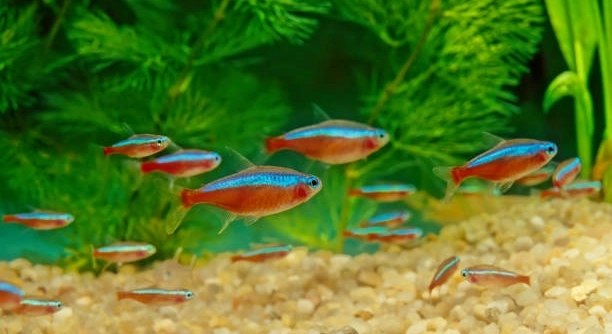
Tetras are popular aquarium fish known for their bright colors and active behavior. Sometimes, they lose scales, which can worry fish owners. Understanding why this happens helps maintain a healthy tank environment for these delicate creatures.
The primary causes of tetra losing scales include physical injury, poor water quality, bacterial or fungal infections, parasites, nutritional deficiencies, stress, and improper handling. Each factor affects the fish’s skin integrity and overall health in different ways.
Knowing these causes is essential for effective prevention and treatment. This article will explain each factor clearly to help keep your tetras healthy and vibrant.
Physical Injury and Handling
Physical injuries are a common reason tetras lose scales. These small fish can easily get hurt by sharp objects in the tank, such as rough decorations or sharp gravel. Aggressive tank mates can also cause damage by nipping or chasing them. Sometimes, injury happens during cleaning or moving the fish if they are handled roughly or netted carelessly. Injuries break the skin and scales, making the fish vulnerable to infections. It’s important to create a safe environment with smooth decorations and calm tank mates. When handling tetras, be gentle and use a soft net to avoid damaging their delicate scales. Avoid overcrowding the tank, as this can increase stress and accidental injuries. By minimizing physical harm, you help your tetras maintain their healthy appearance and avoid unnecessary health risks.
Gentle handling and a safe tank setup are key to preventing injuries that lead to scale loss in tetras.
Keeping the tank free of sharp edges and monitoring fish interactions can greatly reduce physical injuries. Calm and slow movements during maintenance prevent stress and damage. Proper care ensures your tetras remain healthy and retain their scales, contributing to their vibrant look.
Poor Water Quality
Poor water quality quickly impacts tetras and can cause scale loss. Tetras are sensitive to changes in pH, ammonia, nitrites, and nitrates. High levels of these harmful substances damage the fish’s skin and scales, weakening their immune system. Dirty water also encourages the growth of bacteria and parasites, which further threaten the fish’s health. Regular water testing and partial water changes are essential to keep conditions stable. Using a good filter and avoiding overfeeding reduces waste buildup. Proper water parameters support healthy skin and scales, allowing your tetras to thrive. Keeping water clean is a basic yet vital part of fish care that many overlook. Maintaining a balanced environment prevents stress and disease, the main reasons behind scale loss in your tetras. Consistency in water care protects the fish and their beautiful scales for the long term.
Bacterial and Fungal Infections
Bacterial and fungal infections can cause tetras to lose scales by damaging their skin. These infections often enter through wounds or poor water conditions, weakening the fish’s natural defenses.
Infections may appear as white patches, redness, or ulcers on the fish’s body. Bacteria like Aeromonas and Pseudomonas are common in aquariums with poor hygiene. Fungal infections often develop after injuries or stress. Treating infections early with appropriate medications and improving water quality can stop scale loss. Quarantining sick fish helps prevent the spread to healthy ones.
Good tank maintenance and prompt care reduce the risk of infections. Keeping stress low and avoiding overcrowding supports the immune system, helping tetras recover quickly and maintain their scales.
Parasites
Parasites such as ich, flukes, and lice attach to the fish’s skin, causing irritation and scale loss. They feed on the fish or cause wounds that lead to secondary infections.
Parasite infestations often result in flashing, rubbing against tank surfaces, and visible white spots or tiny moving creatures. Left untreated, parasites severely damage the skin and scales, weakening the fish. Regular tank cleaning, quarantining new fish, and using parasite treatments help control infestations. A stable environment supports the fish’s ability to fight off parasites and heal from any damage. Monitoring your tetras closely for signs of parasites is crucial for early intervention and keeping them healthy.
Nutritional Deficiencies
A poor diet lacking essential vitamins and minerals can lead to weak scales and skin problems. Tetras need a balanced diet to maintain their health and scale integrity.
Feeding a varied diet with quality flakes, pellets, and occasional live or frozen foods supports proper nutrition and scale health.
Stress
Stress weakens a tetra’s immune system, making it harder to maintain healthy scales. Stressors include poor water quality, overcrowding, sudden changes, or aggressive tank mates.
Reducing stress through stable conditions and a peaceful environment helps tetras recover and keep their scales intact.
Improper Handling
Rough or frequent handling can cause scales to fall off. Nets, hands, or sudden movements may injure the fish’s delicate skin.
Always handle tetras gently and only when necessary to prevent damage and scale loss.
FAQ
Why is my tetra losing scales suddenly?
Sudden scale loss often points to physical injury or a rapid change in water quality. Sharp decorations, aggressive tank mates, or rough handling can cause immediate damage. Additionally, sudden spikes in ammonia, nitrites, or pH levels weaken the skin, making scales fall off. Checking water parameters and tank setup can help identify the cause quickly.
How can I prevent my tetra from losing scales?
Preventing scale loss starts with maintaining stable water quality through regular testing and water changes. Provide a safe tank environment free from sharp objects and aggressive fish. Feed a balanced diet to support skin health. Handle fish gently and minimize stress by avoiding overcrowding and sudden environmental changes.
Can infections cause scale loss in tetras?
Yes, bacterial and fungal infections can cause scale loss. These infections damage the skin, leading to patches of missing scales. Infections usually develop from wounds or poor water conditions. Early treatment with proper medication and improving water quality is necessary to stop infections and help the fish heal.
What role does diet play in scale health?
A poor diet lacking essential nutrients weakens scales and skin. Tetras require vitamins and minerals to maintain healthy scales. Feeding a varied diet including quality flakes, pellets, and occasional live or frozen foods ensures proper nutrition. Neglecting this can lead to fragile scales prone to falling off.
Are parasites a common cause of scale loss?
Parasites are a frequent reason behind scale loss in tetras. They attach to the skin, causing irritation, wounds, and secondary infections. Ich and flukes are common parasites that damage the fish’s scales. Controlling parasites requires regular tank cleaning, quarantining new fish, and using treatments if needed.
How does stress affect my tetra’s scales?
Stress weakens a fish’s immune system, making it harder to maintain healthy skin and scales. Causes of stress include poor water quality, overcrowding, sudden environment changes, and aggressive tank mates. Reducing stress through stable conditions and calm tank companions helps fish keep their scales intact.
Is handling my fish often harmful?
Frequent or rough handling can injure tetras and cause scales to fall off. Their skin is delicate and easily damaged by nets or hands. Handling should be limited to necessary situations, and done gently to avoid harming the fish’s scales and overall health.
How long does it take for scales to grow back?
Scale regrowth depends on the fish’s overall health and environment. With proper care, scales can start to regenerate within a few weeks. Maintaining good water quality, nutrition, and reducing stress speeds up recovery. Severe injuries or infections may take longer to heal or require treatment.
Can poor water quality cause other problems besides scale loss?
Yes, poor water quality can cause many health issues including fin rot, respiratory problems, and weakened immunity. Scale loss is often one visible sign of underlying water problems. Regular testing and maintenance prevent these problems, keeping your tetras healthy and vibrant.
Should I quarantine new fish to prevent scale loss?
Quarantining new fish is essential to prevent introducing diseases or parasites that cause scale loss. A quarantine period allows observation and treatment if needed before adding fish to the main tank. This practice protects your existing tetras and reduces the risk of outbreaks.
Final Thoughts
Tetras are beautiful and lively fish that can brighten any aquarium. Keeping them healthy requires attention to several important factors. Scale loss is often a sign that something in their environment or care is not right. Understanding the common causes, such as injuries, poor water quality, infections, parasites, nutrition, stress, and handling, helps fish owners act quickly and effectively. Each factor affects the fish’s health in different ways, but many of them are preventable with proper care and attention. Paying close attention to your tetras’ behavior and appearance can help catch problems early before they worsen.
Water quality is one of the most critical elements in preventing scale loss. Tetras are sensitive to changes in their environment, so regular testing and maintenance are essential. Keeping the water clean and stable reduces stress and protects the fish from infections and parasites. A well-filtered tank, regular partial water changes, and avoiding overcrowding create a safer habitat. Along with this, a balanced diet ensures the fish receive the nutrients they need to maintain strong skin and scales. Feeding a mix of high-quality flakes, pellets, and occasional live or frozen food supports overall health and vitality.
Handling tetras carefully and providing a safe environment free from sharp objects or aggressive fish can prevent physical injuries that cause scale loss. Reducing stress by keeping the tank stable and peaceful also helps fish maintain their natural defenses. When infections or parasites do occur, early treatment is important to prevent serious damage. Taking these steps together creates the best chance for tetras to stay healthy and vibrant. Paying attention to their needs and habits ensures your fish enjoy a long, healthy life with their scales intact.

Hello,
If you enjoy the content that we create, please consider saying a "Thank You!" by leaving a tip.
Every little bit helps us continue crafting quality advice that supports the health, happiness, and well-being of pets around the world, for pets of all shapes, sizes, and species.
We really appreciate the kindness and support that you show us!