
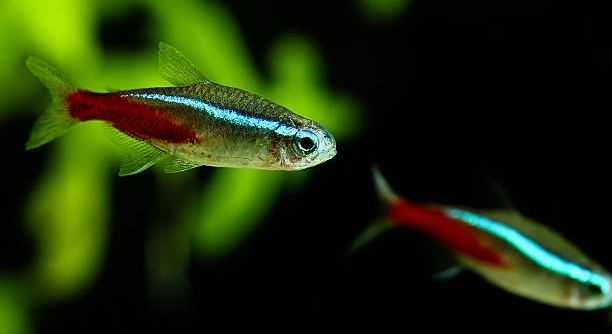
Lighting plays a crucial role in the health and appearance of tetra tanks. Many aquarists face challenges with how their lighting affects fish and plants. Understanding common mistakes can improve the tank’s environment and overall look.
Incorrect lighting in tetra tanks often results from improper intensity, duration, or placement. Overly bright or dim lights can stress fish and inhibit plant growth, while wrong timing disrupts natural rhythms. Proper lighting balance is essential for a healthy aquatic habitat.
Knowing these common errors will help you create a better environment for your tetras. Small adjustments can lead to big improvements in your tank’s wellbeing and beauty.
Too Much Light Exposure
Too much light can be harmful to tetra tanks. When the tank receives excessive light, algae tend to grow rapidly, clouding the water and competing with plants for nutrients. This makes the tank look messy and can lower oxygen levels. Fish can become stressed by constant bright light, which affects their behavior and health. Many people leave their lights on for too long, thinking it helps plants grow better. However, overexposure often causes more harm than good. It’s best to keep the light on for about 8 to 10 hours daily. Using a timer can help maintain this schedule without forgetting to turn the lights off. A well-balanced lighting routine prevents algae problems and keeps fish comfortable. Adjusting light duration based on tank size and plant needs ensures a healthy, clear, and vibrant tank.
Excessive light encourages algae growth and stresses fish. Setting a timer controls exposure and maintains tank balance efficiently.
Reducing light time while ensuring plants get enough light can make a big difference. Observing your tank for signs of stress or algae buildup will guide adjustments. Some plants need less light, so adjusting intensity or changing bulb types might help. Consistent lighting patterns support natural fish behavior. It’s important to monitor both fish and plants after changes to ensure a stable environment. This approach reduces algae and keeps your tetra tank healthy over time.
Incorrect Light Placement
Placing lights too close or too far from the tank can cause uneven lighting. When lights are too close, they can overheat the water or burn plants. If too far, light may not reach the bottom, affecting plants and fish hiding in shaded areas. Many beginners don’t realize the impact of light position on tank health. Ideally, lights should be positioned to cover the entire tank evenly. This ensures all plants get enough light and fish experience a natural environment. Checking manufacturer guidelines for bulb distance and adjusting accordingly can help avoid these problems. Even light distribution reduces stress and promotes healthy growth for plants and fish.
Light placement affects tank temperature and coverage. Proper positioning ensures balanced light for all tank inhabitants.
Uneven light can create shadows where algae thrive or plants fail to grow properly. Moving the light source slightly or using multiple smaller lights can help. It’s also helpful to test different heights and angles to find what works best for your tank setup. A well-lit tank encourages vibrant plants and active fish. Over time, regular maintenance and observation will help maintain ideal lighting conditions. Proper placement supports a balanced aquatic environment and reduces common tank issues.
Using the Wrong Light Spectrum
The light spectrum affects plant growth and fish health. Using bulbs that emit the wrong colors can stunt plants and make fish colors look dull. Many aquarium lights are designed specifically for freshwater tanks, but generic bulbs often miss this balance.
Light spectrum refers to the range of light wavelengths produced by a bulb. Plants rely on specific wavelengths, mainly in the blue and red ranges, to photosynthesize and grow properly. Using bulbs that emit mostly white or yellow light may not support plant health. Tetras also respond to light colors; natural-looking light helps display their vibrant hues. Choosing bulbs labeled “full spectrum” or designed for planted tanks supports a balanced ecosystem. Avoid bulbs that create harsh or unnatural light, which can stress fish and reduce plant growth.
To optimize your tank, replace bulbs every six months to maintain proper spectrum output. Test different bulbs to find what best suits your plants and fish. Using LED lights designed for aquariums is a reliable choice. Matching the right spectrum helps keep your tank lively and healthy.
Not Adjusting Light for Plant Needs
Different aquatic plants require varying light levels. Using one uniform light setting without considering these differences can cause some plants to struggle while others thrive. This imbalance affects the tank’s overall health.
Plants like Java Fern and Anubias need low to moderate light, while others, such as Dwarf Hairgrass or certain mosses, need brighter light to grow well. Overexposing low-light plants can lead to algae growth and leaf damage, while underexposing high-light plants causes them to become weak and lose color. Observing your plants regularly helps identify signs of light stress. Adjusting light intensity and duration to match plant types creates a healthier environment. Layering plants based on light needs or using adjustable lights can help manage this.
Careful light adjustments promote balanced plant growth and reduce algae risks. Tailoring light to plants ensures a thriving tank with vibrant greenery and happy fish. Monitoring and tweaking light settings over time makes a noticeable difference in tank vitality.
Ignoring Light Timers
Manually turning lights on and off often leads to inconsistent lighting schedules. This can confuse fish and disrupt plant growth. Using a timer automates the process and maintains a steady routine.
Timers help create a natural day-night cycle in the tank. This regularity supports healthy fish behavior and encourages proper plant photosynthesis. Inconsistent light periods may increase algae growth and stress aquatic life. A timer is a simple, affordable tool that ensures lights stay on for the right amount of time daily without any guesswork or effort.
Using Inadequate Lighting for Tank Size
Small tanks often need lower light intensity, while larger tanks require more powerful lights. Using lights that don’t match the tank size can lead to poor plant growth or stressed fish. Proper light strength is key for a balanced environment.
Overlooking Maintenance of Lighting Equipment
Dust and water buildup on bulbs and fixtures reduce light output. Regular cleaning keeps the light strong and consistent. Neglecting maintenance can cause dimming and uneven lighting, affecting tank health.
Forgetting to Replace Bulbs Regularly
Bulbs lose intensity over time. Failing to replace them on schedule weakens light quality. Keeping bulbs fresh ensures plants and fish get adequate light for growth and wellbeing.
FAQ
What is the ideal duration for lighting in a tetra tank?
Most tetra tanks do well with 8 to 10 hours of light each day. This duration balances plant growth and fish comfort while preventing excessive algae. Using a timer can help keep the light on a consistent schedule without manual effort, making it easier to maintain proper lighting habits.
How can I tell if my tank has too much light?
Signs of too much light include rapid algae growth, stressed or hiding fish, and plants with burned or bleached leaves. Algae often appears as green, fuzzy patches on glass, decorations, or plants. If you notice these signs, reducing light duration or intensity can help restore balance.
What kind of bulbs should I use for a planted tetra tank?
Full spectrum LED bulbs designed for freshwater planted tanks are usually the best choice. They provide the right wavelengths plants need for photosynthesis while enhancing the natural colors of your fish. Avoid generic white or yellow bulbs, which may not support healthy plant growth.
Can I use sunlight instead of aquarium lights?
Natural sunlight is not recommended because it can cause temperature fluctuations and promote uncontrolled algae growth. Aquarium lights provide consistent, controlled light levels tailored to the tank’s needs, making them a safer and more reliable option.
How often should I replace aquarium bulbs?
Most aquarium bulbs lose effectiveness after about six to twelve months. Replacing bulbs regularly ensures plants get enough light and helps maintain a stable tank environment. Check the manufacturer’s recommendations and keep a schedule to avoid dim lighting.
What’s the best way to prevent algae growth related to lighting?
Controlling the amount and duration of light exposure is key. Use timers to avoid over-lighting, clean the tank regularly, and balance plant and fish needs. Adding fast-growing plants can also compete with algae for nutrients, helping keep it under control.
Can incorrect light placement affect my fish’s behavior?
Yes, poor light placement can create uneven lighting, causing fish to feel exposed or stressed. Bright spots or harsh shadows may make fish hide or act nervously. Even light distribution helps fish feel secure and behave naturally.
Is it necessary to adjust lighting for different plant species?
Yes, different plants have different light requirements. Some thrive in low light, while others need brighter conditions. Adjusting light intensity or using separate lighting zones can support all plants and prevent weak growth or algae problems.
What should I do if my plants are not growing despite proper lighting?
Check other factors like water quality, nutrients, and CO₂ levels. Lighting is important, but plants need balanced care overall. Sometimes adjusting fertilization or adding supplements will improve plant health even if lighting is adequate.
How does lighting affect fish coloration?
Proper lighting helps bring out the natural colors of your tetras. Too dim or overly bright light can dull their appearance. Using bulbs with the right spectrum ensures fish look vibrant and healthy, adding beauty to your tank.
Lighting plays a big role in the overall health and appearance of a tetra tank. Getting it right means balancing how much light your tank gets, what kind of light you use, and how long it stays on. Many common problems happen because of too much light, wrong light placement, or bulbs that don’t fit the needs of plants and fish. Taking time to understand these basics helps create a more natural and comfortable space for your tetras and plants. It also keeps algae growth under control, making your tank easier to maintain and enjoy.
Maintaining a consistent lighting schedule is important for both plants and fish. Using a timer can help by ensuring the lights turn on and off at the same times every day. This steady routine supports plant growth and fish wellbeing without causing stress or confusion. Choosing the right bulbs is also key. Full spectrum or aquarium-specific LEDs provide the best light quality for photosynthesis and highlight fish colors well. Over time, bulbs lose their strength, so replacing them regularly keeps your tank vibrant and healthy. Cleaning your lights and fixtures ensures the brightness stays consistent and prevents issues from dimming or uneven coverage.
Adjusting lighting based on the types of plants and tank size makes a noticeable difference. Some plants need low light while others need more intense light to thrive. Matching your lighting setup to these needs helps prevent plant damage and discourages algae. Keeping an eye on how your tank looks and how your fish behave will give clues if something needs changing. Lighting is just one piece of the puzzle but a very important one. With the right care, your tetra tank will remain a beautiful, balanced, and healthy environment for all its inhabitants.

Hello,
If you enjoy the content that we create, please consider saying a "Thank You!" by leaving a tip.
Every little bit helps us continue crafting quality advice that supports the health, happiness, and well-being of pets around the world, for pets of all shapes, sizes, and species.
We really appreciate the kindness and support that you show us!