
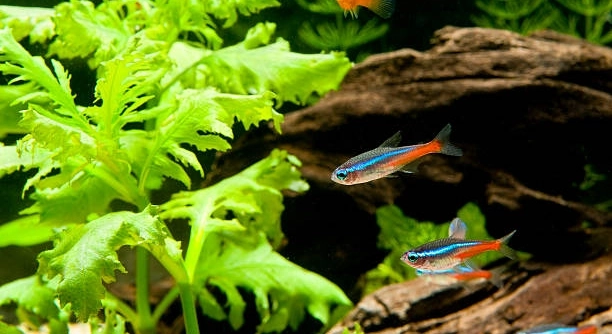
Tetras are popular aquarium fish known for their peaceful nature. Sometimes, these calm fish may suddenly show aggressive behavior, which can surprise many fish keepers. Understanding why this happens can help maintain a harmonious tank environment.
Sudden aggression in tetras usually stems from environmental stress, overcrowding, changes in water quality, or competition for food and territory. These factors can disrupt their natural behavior, causing them to act more defensively or territorially than usual.
Knowing the common causes of aggression can help prevent conflicts and ensure your tetras remain healthy and balanced in their home.
Environmental Stress and Its Impact on Tetras
Tetras are sensitive to changes in their environment. Sudden shifts in temperature, light, or water chemistry can stress them out quickly. When stressed, tetras may become aggressive as a defense mechanism. Even small changes, like moving the tank or adding new decorations, can disturb their routine. Stress reduces their immune system, making them more prone to illness and erratic behavior. Maintaining stable water parameters and a consistent environment helps keep tetras calm. They rely on familiar surroundings to feel secure. Avoiding sudden changes and providing hiding spots can reduce stress. Proper tank maintenance, such as regular water changes, keeps conditions stable and supports their well-being. When tetras feel safe and comfortable, aggression decreases. Taking time to monitor their environment closely pays off in the long run, ensuring a peaceful tank where all fish can thrive.
Consistent water temperature and quality are key to preventing stress-related aggression. Sudden shifts should be avoided.
Even slight fluctuations in water temperature or pH can trigger stress responses in tetras. Stress weakens their natural behavior, causing them to act aggressively toward tank mates. Providing a stable, well-maintained environment reduces this risk. Consistent lighting schedules and minimal disruptions help tetras feel secure. When these factors are controlled, tetras are less likely to display aggression, creating a healthier community tank.
Overcrowding and Territorial Disputes
Overcrowding is a common issue that can lead to aggression in tetras. When too many fish share a limited space, competition for territory and resources increases. Tetras need room to swim and establish their own space within the tank. Without enough space, they feel threatened and may act out by chasing or nipping other fish. Overcrowded tanks also raise stress levels, which contributes to aggressive behavior. To reduce this, keep the number of fish appropriate for the tank size. Adding plenty of plants and decorations can create hiding places and visual barriers, helping tetras avoid constant confrontations. Regularly observe fish behavior and rearrange the tank if needed to give them more personal space. Keeping a balanced population promotes peace and allows tetras to interact naturally without conflict.
Competition for Food
Tetras can become aggressive when food is scarce or unevenly distributed. Competition arises quickly if some fish feel they are not getting enough to eat. This behavior helps them secure their share but can disturb tank harmony.
When feeding, slower or smaller tetras might struggle to get their portion, leading to frustration and aggression. More dominant fish may chase others away, increasing stress in the tank. Offering multiple feeding spots and spreading food evenly can reduce this competition. Using sinking pellets or slow-release feeders allows all fish better access to food, preventing fights. Feeding smaller amounts more frequently also helps ensure each tetra gets enough nutrition without feeling threatened. Proper feeding habits promote calmer behavior and healthier fish.
Overfeeding can also cause problems, as leftover food pollutes the water and stresses tetras. Monitoring feeding amounts and maintaining cleanliness keeps aggression linked to food competition low.
Changes in Water Quality
Poor water quality is a major factor in sudden aggression among tetras. Ammonia, nitrite, or nitrate spikes irritate fish and weaken their immune system, leading to defensive behavior.
Regular water testing and timely water changes are essential to maintain safe levels. Neglecting tank maintenance allows waste to build up, creating an unhealthy environment. Filtration systems must be appropriate for tank size to keep water clean and oxygenated. Tetras are sensitive to pollutants and require stable, clear water. Stress from poor conditions can trigger aggression that otherwise would not occur. Keeping a consistent maintenance routine protects fish health and reduces behavior problems. When water quality improves, tetras tend to calm down and behave normally again.
Breeding Behavior
Tetras often show aggression during breeding seasons. Males become territorial to protect their chosen mates and nesting areas. This natural behavior can look sudden but is temporary.
Female tetras may also act defensively to guard their eggs. This increases tension in the tank until the breeding period ends.
Illness and Aggression
Illness can cause unusual aggression in tetras. When fish are sick or injured, they may act out of character due to discomfort or stress. Disease weakens their defenses, making them more irritable and prone to lash out at others. Monitoring fish health closely helps catch signs early and prevent outbreaks. Quarantining new or sick fish protects the rest of the tank. Treating illness quickly reduces stress-related aggression and supports recovery. Keeping a clean tank and balanced diet also strengthens immunity, lowering the risk of aggressive behavior caused by poor health.
Lack of Hiding Spaces
Without enough hiding spots, tetras feel exposed and stressed. This lack of refuge leads to increased aggression as they compete for safety.
Why do tetras suddenly become aggressive toward each other?
Tetras may turn aggressive due to stress factors like overcrowding, poor water conditions, or competition for food and space. Aggression is often a response to feeling threatened or uncomfortable. When their environment changes or becomes crowded, they try to protect their territory or resources, leading to chasing and nipping.
How can I reduce aggression caused by overcrowding?
The best way to reduce aggression is to keep the tank population balanced with the tank size. Overcrowding makes tetras feel stressed and cramped, so they act out. Adding plants and decorations helps create visual barriers and hiding spots, which reduce direct confrontations and allow fish to retreat when needed.
Is sudden aggression normal during breeding?
Yes, during breeding, male tetras become territorial and more aggressive to protect their mates and eggs. This behavior usually lasts only during the breeding period and settles down afterward. Providing plenty of hiding places can help reduce conflicts during this time.
Can poor water quality cause aggressive behavior in tetras?
Absolutely. Poor water quality irritates tetras and stresses them, making them act aggressively. High levels of ammonia, nitrites, or nitrates can harm fish health and disrupt their normal behavior. Regular water testing and maintenance are crucial to keep water safe and stable.
What signs show my tetra is stressed or sick?
Signs of stress or illness include unusual hiding, loss of appetite, discoloration, clamped fins, and erratic swimming. Aggression can also be a sign, as sick fish may feel vulnerable and act defensively. Early detection and treatment improve their chances of recovery and reduce aggressive episodes.
How should I feed tetras to prevent food competition?
Feed small amounts several times a day instead of one large feeding. Spread food across the tank and use sinking pellets or flakes to ensure all tetras get their share. This reduces fights over food and keeps everyone calmer and healthier.
Do tetras need hiding spots to prevent aggression?
Yes, tetras need hiding places like plants, rocks, or decorations. These spots allow them to escape from dominant fish and reduce stress. Without enough hiding spaces, aggression increases because fish feel exposed and defensive.
Can adding new fish cause aggression in my tetras?
Introducing new fish can disrupt the established social order and cause aggression. It’s important to quarantine new fish and add them carefully, ideally in groups to spread attention and reduce bullying. Rearranging tank decorations during introduction can also help reset territories.
Is aggressive behavior permanent in tetras?
No, aggression is usually temporary and linked to specific causes like stress, breeding, or environmental changes. By addressing these issues—such as improving water quality, adjusting tank population, or providing hiding spots—aggressive behavior typically decreases.
What is the best tank size for keeping tetras peaceful?
A larger tank gives tetras enough space to swim and establish territories, which reduces aggression. For small tetras, a tank of at least 20 gallons is recommended, but bigger is always better, especially if keeping a group of six or more.
Can diet affect tetra aggression?
A balanced diet supports overall health and reduces stress, which helps prevent aggression. Poor nutrition weakens the immune system and may make fish more irritable. Offering high-quality, varied food keeps tetras healthy and calmer in the tank.
How often should I perform water changes to keep aggression low?
Regular water changes, about 25% weekly, maintain good water quality and reduce stress-induced aggression. Consistent cleaning prevents buildup of harmful substances that upset fish and cause behavioral issues.
Are certain tetra species more aggressive than others?
Yes, some tetra species naturally have more territorial or dominant tendencies. Knowing the specific needs and behavior of your tetra species helps in tank planning and managing aggression. Mixing compatible species also reduces conflicts.
What role does lighting play in tetra aggression?
Bright or inconsistent lighting can stress tetras and increase aggression. Providing a natural light cycle with some shaded areas helps fish feel secure and reduces tension. Avoid sudden changes in light intensity to keep behavior stable.
Can stress from sudden changes in the tank cause aggression?
Yes, sudden changes like rearranging decorations, new fish introductions, or water parameter shifts can stress tetras and trigger aggression. Gradual adjustments and careful observation help minimize these reactions.
How can I tell if aggression is due to illness or environment?
If aggression comes with visible signs of illness or lasts despite environmental improvements, sickness might be the cause. Otherwise, behavior usually improves once stressors like poor water or overcrowding are addressed.
Is it safe to separate aggressive tetras?
In some cases, separating aggressive individuals temporarily can protect other fish and reduce stress. Use a divider or quarantine tank while investigating the cause and making changes to the environment.
Do tetras require companions to reduce aggression?
Tetras are schooling fish and do better in groups. Keeping at least six together helps spread aggression and creates a natural social structure. Alone or in small numbers, they may become stressed and more aggressive.
Can changes in water pH cause sudden aggression?
Yes, abrupt changes in pH can stress tetras and affect their behavior. Keeping pH stable within the species’ preferred range is important. Sudden swings weaken fish and increase territorial disputes.
How does tank decoration influence tetra behavior?
Tank decorations provide hiding places and break lines of sight, reducing aggression. A well-decorated tank allows fish to claim territories and avoid constant confrontations, leading to a calmer environment.
What should I do if aggression persists despite changes?
If aggression continues, review tank conditions, fish compatibility, and health. Sometimes, separating aggressive fish permanently or rehoming them is necessary to maintain peace. Consulting an aquatic specialist can help find solutions.
Final Thoughts
Tetras are generally peaceful fish, but sudden aggression can occur for several reasons. Environmental changes, overcrowding, and poor water quality are common triggers. These factors cause stress, which makes tetras act defensively. Understanding what causes this behavior is important to create a calm and healthy tank. Regular care and attention to their needs can prevent most problems before they start. When tetras feel secure, they behave naturally and peacefully.
Managing aggression means keeping the tank environment stable and balanced. Proper tank size, clean water, and enough hiding spots all contribute to reducing tension among fish. Feeding habits also matter—spreading food evenly and feeding smaller amounts more often helps avoid competition. Watching your tetras’ behavior regularly allows you to notice changes early and take action. Early intervention helps keep aggression from becoming a bigger issue and protects the well-being of all fish.
Sometimes aggression is linked to natural behaviors like breeding or illness. In these cases, aggression is usually temporary or a sign that something needs attention. If problems persist, adjusting tank conditions or seeking advice from experts may be necessary. Overall, maintaining consistent tank care and monitoring your tetras closely will support their health and peaceful coexistence. Patience and proper care are key to enjoying a vibrant and balanced aquarium with happy tetras.

Hello,
If you enjoy the content that we create, please consider saying a "Thank You!" by leaving a tip.
Every little bit helps us continue crafting quality advice that supports the health, happiness, and well-being of pets around the world, for pets of all shapes, sizes, and species.
We really appreciate the kindness and support that you show us!