
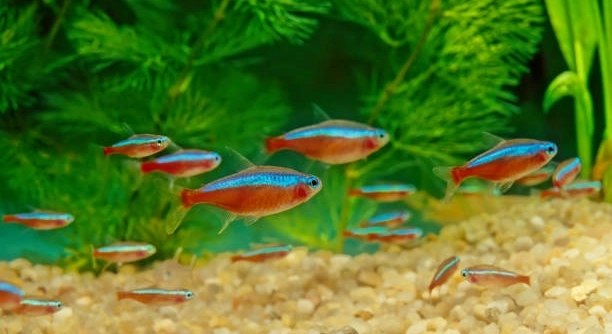
Stress bars on tetras can be concerning for any aquarium enthusiast. These markings often indicate changes in the fish’s environment or health. Understanding what causes these stress bars is important for keeping your tetras healthy and comfortable in their tank.
Stress bars on tetras are primarily caused by environmental stressors such as poor water quality, sudden changes in temperature, overcrowding, aggressive tank mates, improper diet, inadequate hiding spaces, and illnesses. Each of these factors can trigger physiological responses, leading to visible stress bars.
Recognizing these causes helps in creating a stable and healthy environment for your tetras, ensuring their well-being and vibrancy in your aquarium.
Poor Water Quality
Poor water quality is a common cause of stress bars on tetras. When the water in the tank contains high levels of ammonia, nitrites, or nitrates, it becomes harmful to the fish. These toxins irritate their gills and skin, making it hard for them to breathe and stay healthy. Tetras are sensitive to sudden changes in pH and hardness as well, which can add to their stress. Regular water testing and maintenance are essential to keep the tank environment stable. Frequent water changes, proper filtration, and avoiding overfeeding help maintain clean water. When water conditions are poor, tetras display stress bars as a sign that they are struggling. Maintaining good water quality supports their immune system and reduces the risk of illness, which also prevents stress bars from appearing.
Testing water parameters weekly is recommended to catch any issues early and prevent stress.
Providing clean water is a simple yet effective way to keep tetras calm and vibrant. Paying attention to water quality reduces the likelihood of stress bars. Small, consistent efforts go a long way in maintaining a healthy tank environment.
Temperature Fluctuations
Tetras need stable temperatures, usually between 72°F and 80°F. Sudden changes or extremes in temperature cause stress bars to appear.
Temperature swings make it difficult for tetras to regulate their metabolism and immune responses. Rapid drops or rises in tank temperature force fish to adapt quickly, which is stressful and weakens their defenses. A consistent temperature mimics their natural habitat, reducing stress levels. Using a reliable aquarium heater and thermometer helps maintain steady warmth. Avoid placing the tank near windows, vents, or appliances that cause temperature fluctuations. These precautions create a stable environment that lowers the risk of stress bars. Consistent temperatures help tetras maintain their health and coloration, showing fewer signs of distress.
Keeping the temperature stable is key for a peaceful, healthy tank. Monitoring daily is worth the effort for long-term fish well-being.
Overcrowding
Too many fish in a tank cause stress bars on tetras. Crowding limits space and increases waste, which harms water quality.
Overcrowding leads to competition for food and hiding spots. Tetras feel threatened and stressed, causing visible stress bars. Limited space reduces swimming comfort, which is vital for their health. Overcrowded tanks often have poor water circulation, which worsens water quality. This environment weakens the fish’s immune system, making them more vulnerable to illness. Proper tank size and the right number of tetras create a calm environment. Following recommended stocking guidelines helps keep stress levels low.
Ensuring each tetra has enough room improves their color and behavior. Overcrowding can easily be fixed by adjusting fish numbers or upgrading tank size.
Aggressive Tank Mates
Aggressive tank mates provoke stress bars by threatening tetras. Constant harassment or chasing causes fear and stress.
Tetras are peaceful fish, so being housed with aggressive or territorial species creates tension. They may hide often or show stress bars as a defense mechanism. Aggression disrupts their normal behavior, reducing feeding and increasing vulnerability to disease. Choosing compatible species helps reduce stress. Introducing peaceful tank mates allows tetras to swim freely without fear. Monitoring interactions closely ensures aggression does not escalate. Separating aggressive fish or rearranging the tank can restore harmony.
Stress bars from aggression can be avoided by careful fish selection and tank setup. A peaceful community tank supports healthier, happier tetras.
Improper Diet
An improper diet can cause stress bars on tetras by weakening their health. Lack of essential nutrients makes them more susceptible to stress and disease.
Feeding tetras a balanced diet with quality flakes, pellets, and occasional live or frozen foods supports their immune system. Avoid overfeeding, as leftover food pollutes the water and stresses the fish.
Inadequate Hiding Spaces
Tetras need places to hide for comfort and security. Without enough hiding spots, they feel exposed and stressed, leading to stress bars.
Providing plants, decorations, or caves creates safe areas. These spots reduce anxiety and promote natural behavior, which helps tetras stay calm and healthy.
Illness
Stress bars can indicate illness in tetras. Diseases weaken their bodies, making stress more visible and prolonging recovery.
Recognizing early signs of disease, such as lethargy, loss of appetite, or unusual spots, allows for prompt treatment. Quarantining sick fish prevents spreading illness in the tank. Keeping the tank clean and stable also lowers disease risk. Regular observation helps catch problems early and keeps tetras healthy.
What do stress bars on tetras mean?
Stress bars are vertical or horizontal stripes that appear on tetras when they feel stressed. These bars indicate discomfort or an unhealthy environment. The fish may show these bars due to changes in water quality, temperature, or threats from other fish. They are a visual sign that the tetra is not feeling well.
Can stress bars go away on their own?
Sometimes stress bars fade if the cause of stress is removed quickly. If the tank environment stabilizes and the fish feels safe, the bars can disappear. However, if the cause persists, stress bars will remain or get worse. Regular monitoring and proper care are essential to help the fish recover fully.
How can I prevent stress bars on my tetras?
Preventing stress bars involves keeping water clean, stable, and comfortable for your tetras. Avoid overcrowding, maintain a steady temperature, and provide hiding places. Feed a balanced diet and select peaceful tank mates. Frequent water tests and tank maintenance are key to preventing stress.
Are stress bars harmful to tetras?
Stress bars themselves are not harmful but signal underlying problems that can hurt your fish’s health. Long-term stress weakens the immune system, making tetras prone to illness and reducing their lifespan. Addressing stress early keeps fish healthy and vibrant.
What tank size is best to avoid stress in tetras?
A minimum of 20 gallons is recommended for a small school of tetras. This size provides enough swimming space and helps maintain stable water conditions. Larger tanks reduce the risk of overcrowding and stress, supporting healthier fish.
How often should I test my tank water?
Weekly water testing is ideal to catch changes in ammonia, nitrites, nitrates, pH, and hardness. Keeping these levels stable helps prevent stress bars. Testing more often may be necessary during tank setup or if fish show signs of stress.
Can stress bars appear suddenly?
Yes, stress bars can show up quickly if the fish experiences a sudden change, like a temperature drop or introduction of aggressive tank mates. Quick reactions in tetras are natural to protect themselves during threatening situations.
Do stress bars indicate illness?
Stress bars can be a sign of illness but do not confirm it. Illness often comes with other symptoms like spots, fin damage, or unusual behavior. If stress bars persist alongside these signs, a health check or treatment may be needed.
How should I treat my tetras if stress bars appear?
Start by checking water quality and tank conditions. Make sure temperature, pH, and cleanliness are ideal. Remove aggressive fish if present and provide hiding spots. Adjust feeding habits to avoid overfeeding or underfeeding. If illness is suspected, quarantine and treat affected fish accordingly.
Is it okay to keep tetras alone or do they need a group?
Tetras are schooling fish and feel safest in groups of six or more. Being alone can increase stress and cause stress bars. Groups help reduce anxiety and promote natural behavior, improving overall health.
Can changes in lighting affect stress bars?
Yes, sudden changes in lighting or too bright light can stress tetras. Providing a regular light schedule and dimmer areas in the tank allows them to adjust comfortably. Consistent lighting helps maintain calm and reduces stress bars.
How long does it take for stress bars to disappear after fixing tank issues?
The time varies depending on the cause and fish health. Some tetras show improvement within days, while others may take weeks. Consistent care and a stable environment speed recovery and reduce stress bars.
Are stress bars more common in certain tetra species?
Some species, like neon tetras, show stress bars more visibly due to their bright colors and thin bodies. Others may show less obvious signs but still experience stress. Knowing your species helps in early detection.
Can stress bars return after they disappear?
Yes, stress bars can come back if the stress returns. Ongoing care and monitoring are needed to keep the tank environment stable and avoid repeated stress episodes.
Is stress from transport or moving tanks common?
Stress bars often appear after transport or moving a tank. The sudden change, handling, and new surroundings cause stress. Proper acclimation, gentle handling, and a quiet environment help fish recover faster.
What role does diet play in stress bars?
A poor diet weakens tetras, making them more prone to stress bars. Balanced nutrition supports their immune system and coloration. Feeding high-quality foods regularly keeps tetras strong and reduces stress.
Can water hardness affect stress bars?
Yes, tetras prefer soft to moderately hard water. Sudden changes or unsuitable hardness levels cause discomfort, leading to stress bars. Maintaining appropriate water hardness is part of good tank care.
Is it normal for tetras to show stress bars at night?
Stress bars usually appear during the day when fish feel threatened or uncomfortable. At night, stress bars tend to fade as fish rest. Persistent bars at all times suggest ongoing stress or health problems.
How can I create hiding spaces for my tetras?
Use live plants, smooth rocks, or aquarium decorations to build hiding spots. Dense plants offer natural cover and help fish feel safe. Hiding places reduce anxiety and prevent stress bars.
Do stress bars affect tetra behavior?
Yes, stressed tetras may become less active, hide more, or lose appetite. Stress bars are a sign their behavior is impacted by discomfort. Addressing stress improves both appearance and behavior.
Stress bars on tetras are clear signs that something in their environment is causing them discomfort or distress. These bars should never be ignored, as they often point to underlying problems like poor water quality, temperature changes, or aggression from other fish. Taking the time to understand these causes helps ensure the fish remain healthy and comfortable. While stress bars themselves are not harmful, the conditions that cause them can affect the well-being and lifespan of tetras if left unaddressed. Monitoring your tank regularly and observing your fish closely are simple yet effective ways to catch problems early.
Maintaining stable tank conditions is key to preventing stress bars. This includes keeping the water clean and properly balanced, controlling temperature fluctuations, and avoiding overcrowding. Providing a peaceful community with compatible tank mates also reduces stress. Tetras benefit from hiding spaces that offer security and allow them to express natural behavior. Feeding a varied and nutritious diet supports their immune system and overall health, making them less prone to stress. Small efforts like regular water testing and proper feeding routines can have a big impact on the fish’s comfort and coloration.
In the end, creating a healthy environment for tetras requires attention to detail and consistency. Stress bars serve as a useful indicator that something needs to be adjusted or improved in the aquarium. Addressing these issues early prevents long-term health problems and helps tetras thrive. Keeping tetras happy and stress-free is rewarding and ensures their natural beauty shines through. With the right care and environment, stress bars become rare, and the fish enjoy a peaceful, balanced life in the tank.

Hello,
If you enjoy the content that we create, please consider saying a "Thank You!" by leaving a tip.
Every little bit helps us continue crafting quality advice that supports the health, happiness, and well-being of pets around the world, for pets of all shapes, sizes, and species.
We really appreciate the kindness and support that you show us!