
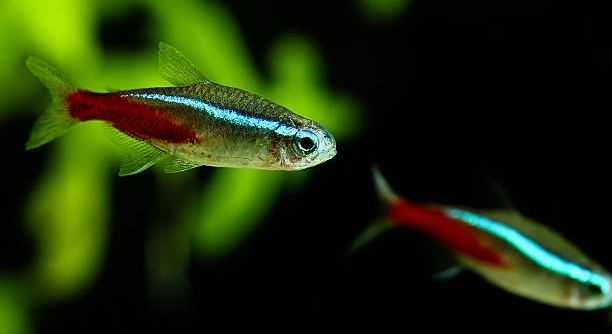
Are your tetras swimming away every time you approach the tank, making you feel like a stranger in their tiny world?
Tetras are often afraid of their owners due to stress, poor tank conditions, sudden movements, or a lack of proper acclimation. These factors can cause them to view humans as threats rather than safe companions.
Fish behavior is often misunderstood, but with a few simple adjustments, you can help your tetras feel secure and calm around you.
Sudden Movements Can Startle Tetras
Tetras are sensitive and quick to react to movement. If you move your hand too quickly near their tank or tap on the glass, it may scare them. These sudden actions are seen as threats, causing them to hide or dart away. In nature, quick movements usually signal predators, so tetras instinctively avoid them. Even routine tank maintenance can feel alarming if done too abruptly. It’s important to remember they need time to feel safe. Keep your approach slow and steady when feeding them or cleaning the tank. Over time, they may associate your presence with safety rather than fear.
Gentle, repeated exposure to slow and calm movements can help build trust between you and your tetras.
Try staying still near the tank for a few minutes each day. Avoid fast gestures or loud noises. Over time, they may begin swimming more freely when you’re nearby.
Poor Tank Conditions Cause Stress
Poor tank conditions often cause stress, making tetras more skittish. Dirty water, poor lighting, or inconsistent temperatures affect their comfort.
When water quality drops, tetras become uneasy. Ammonia and nitrate buildup irritates their gills, and unstable water temperature disrupts their behavior. If your tank lacks proper filtration or regular maintenance, they may start hiding more and interacting less. Clean, stable conditions help them feel at ease. Lighting also matters. Sudden bright lights can shock them, while inconsistent lighting schedules create confusion. Keep a regular light cycle with gradual changes. Decorations and plants give them hiding places and make them feel secure. Without these, they feel too exposed. A tank that feels safe is a place where they can be active and visible.
Check your tank parameters weekly. Use a water testing kit and clean your filter as needed. Add live plants or decorations to create a more natural and comforting space.
Lack of Acclimation to Their New Environment
Tetras need time to adjust when placed in a new tank. If they were recently introduced, they may still be adapting to new surroundings, water parameters, and noises outside the tank. This can make them feel unsafe and cause fear.
When tetras are moved from one environment to another, they experience stress. Even small changes like lighting, water chemistry, or tank mates can be overwhelming. If they haven’t had enough time to settle in, they might stay hidden or act fearful. It’s important to give them a quiet space for a few days without too much interaction. Let them explore at their own pace. Feeding them on a consistent schedule and keeping the lights dim for the first week can help. Once they feel secure, they’re more likely to swim freely and respond calmly when you approach.
Avoid overcrowding or rearranging the tank too soon. Let them establish territory and recognize their surroundings first. Keep handling to a minimum and maintain a stable environment. Loud rooms or placing the tank in a high-traffic area may delay their adjustment. Once their stress level decreases and they feel safe in their space, their confidence around you will naturally grow. Being patient during this period makes a big difference.
Negative Past Experiences with Humans
Tetras may become fearful if they associate humans with stress. Rough handling, improper netting, or loud disturbances during care can create lasting anxiety. These negative interactions shape how they respond when they see someone near their tank.
If a tetra has experienced stress while being moved, netted harshly, or housed in poor conditions before arriving in your care, they may carry that anxiety into your tank. Even brief events—like being chased during netting or being startled by loud noises while in transport—can leave them feeling on edge. This response may not go away right away, especially if your daily tank care includes quick movements or inconsistent light cycles. Giving them calm, predictable interactions can slowly reverse this behavior. Keep feeding quiet and steady. Avoid unnecessary disturbances near the tank. With repeated positive experiences, they’ll begin to understand that you are not a threat and may even start swimming toward you.
Aggressive Tank Mates Make Them Nervous
Tetras often become fearful when kept with larger or aggressive tank mates. Constant chasing or bullying causes stress and makes them retreat when you approach the tank. Peaceful companions help create a safer and calmer environment for them.
A crowded tank with mixed behavior types increases anxiety in tetras. Avoid keeping them with fin-nippers or territorial fish.
Inconsistent Lighting and Noise
Sudden lighting changes and loud household noises can make tetras feel unsafe. Bright lights turned on too quickly or unpredictable noise levels near their tank can scare them. Gradual lighting and a quiet location help reduce stress and support calmer behavior.
Lack of Hiding Spots
Without enough plants, caves, or decorations, tetras feel exposed and vulnerable. They rely on hiding spots to feel safe. When they have no cover, they are more likely to dart away from movement and stay hidden most of the time.
FAQ
Why do my tetras hide when I walk by?
Tetras often react to movement outside the tank, especially if it’s sudden. When you walk by quickly or make noise, it can trigger a fear response. They may think a predator is nearby. Placing the tank in a quiet area and avoiding fast movements can help them feel more at ease over time.
Can tetras recognize their owner?
Tetras have limited recognition abilities compared to some pets, but they can get used to your presence. Over time, they may associate you with feeding or safety, especially if your movements are gentle and predictable. While they won’t recognize your face like a dog might, they can learn to feel comfortable when you’re near.
How long does it take for tetras to get used to a new tank?
It usually takes one to two weeks for tetras to settle into a new tank. During this period, they’re learning the layout, adjusting to the water conditions, and recovering from transport stress. Keeping the environment quiet and stable during this time helps reduce fear and promotes healthy behavior.
Is it normal for new tetras to be scared?
Yes, it’s completely normal. Being introduced to a new environment is stressful for most fish. New tetras will often hide or avoid interaction at first. Letting them adjust slowly and minimizing tank disturbances can help them feel secure and start swimming freely within several days.
What tank conditions help reduce fear in tetras?
Clean, stable water with a consistent temperature is key. Add live plants, driftwood, or decorations for hiding spots. Use a gentle light cycle and avoid sudden light changes. Make sure the tank isn’t overcrowded and choose peaceful tank mates to help your tetras feel secure and relaxed.
Should I worry if my tetras are always hiding?
If your tetras hide all the time, it may signal stress. Check for aggressive tank mates, poor water quality, or loud surroundings. Make sure the tank has hiding spots and monitor water parameters regularly. If they’re healthy but still scared, give them time to adjust at their own pace.
Can loud sounds scare my tetras?
Yes, loud noises can be very stressful for tetras. Vibrations from sound travel through the water and startle them. Try to keep their tank away from televisions, speakers, and high-traffic areas. Keeping the tank in a peaceful room helps them stay calm and feel more secure.
Do tetras get scared during water changes?
Water changes can be unsettling, especially if done too quickly or roughly. Sudden shifts in temperature or water chemistry may trigger stress. To avoid this, use dechlorinated water that matches the tank temperature and move slowly during cleaning. Avoid splashing or banging against the glass.
Can tetras be tamed over time?
While tetras won’t become tame like dogs or cats, they can grow used to your presence. Feeding them consistently, avoiding sudden gestures, and keeping a calm environment can help. Eventually, they may swim near you during feeding or stay visible more often when you’re nearby.
Why do my tetras scatter when I open the lid?
The sound and movement of the lid may alarm them. It could remind them of being netted or moved. Try opening the lid slowly and in a quiet, smooth motion. Over time, they’ll start to associate it with feeding and feel less anxious when it happens.
Is a larger tank better for reducing fear in tetras?
Yes, larger tanks give tetras more space to swim and more places to hide, which helps reduce stress. In a small tank, they may feel cramped or vulnerable. A spacious tank with plants and decorations supports healthy behavior and makes them feel safer overall.
How many hiding places should I add to the tank?
Aim for at least three to four hiding spots in a small tank and more in larger ones. Use a mix of live or artificial plants, caves, and driftwood. These give your tetras safe areas to retreat to when they feel nervous, helping them feel more confident when swimming.
Final Thoughts
Tetras are peaceful fish, but they can become nervous or scared if their environment does not feel safe. It’s not uncommon for them to react strongly to loud sounds, quick movements, or changes in their surroundings. If your tetras swim away when you get close or hide most of the time, they are likely stressed. This fear may be caused by poor water conditions, aggressive tank mates, or even something as simple as the tank being placed in a noisy area. By understanding what makes your tetras uncomfortable, you can begin to make changes that help them feel more secure.
Start by checking the basic setup of your tank. Make sure the water is clean, warm, and stable. Add enough hiding places like plants or decorations so your tetras feel like they have shelter when they need it. Avoid tapping on the glass or reaching in too fast. It may take time, but tetras often adjust and start swimming more freely once they know they are not in danger. Stick to a consistent routine for feeding and maintenance. They can learn to expect what happens and when, which reduces their stress. Patience is important. These small changes often make a big difference.
Your tetras may never follow you around the tank or beg for food like other pets, but they can grow comfortable with your presence. Over time, you may notice them coming out more often, swimming around even when you’re close, or responding during feeding time. This is a sign that they feel safe and settled. Watching your fish swim without fear is one of the simple joys of fishkeeping. By giving them the right care and a peaceful environment, you can help your tetras live a calm and healthy life. Every small adjustment you make for their comfort brings them closer to feeling at home in their tank.

Hello,
If you enjoy the content that we create, please consider saying a "Thank You!" by leaving a tip.
Every little bit helps us continue crafting quality advice that supports the health, happiness, and well-being of pets around the world, for pets of all shapes, sizes, and species.
We really appreciate the kindness and support that you show us!