
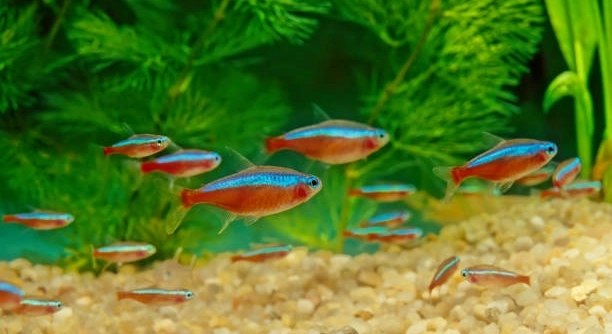
Floating plants add natural beauty and extra benefits to tetra tanks. They provide shade, improve water quality, and create hiding spots for your fish. Choosing the right floating plants can make a big difference in your aquarium’s health and appearance.
The best floating plants for tetra tanks include species like duckweed, water lettuce, frogbit, and Amazon frogbit. These plants thrive in freshwater environments, offer good coverage, and are safe for small fish like tetras. They help balance the ecosystem by absorbing excess nutrients and reducing algae growth.
Selecting the right floating plants can enhance your tank’s environment while keeping your tetras comfortable and healthy. This article highlights the top options and their benefits for your aquarium setup.
Duckweed: Small but Effective
Duckweed is one of the smallest floating plants, but it offers many benefits for tetra tanks. Its tiny leaves form a dense carpet on the water surface, providing shade and shelter for your fish. This helps reduce stress, as tetras feel safer with places to hide from bright light or larger tank mates. Duckweed grows quickly and absorbs excess nutrients, which helps prevent algae from taking over your tank. Because it reproduces rapidly, it can cover the surface fast, but you can easily control it by scooping out some of the excess. Duckweed also improves water quality by absorbing nitrates and other waste products. This makes it a low-maintenance option that benefits both your tank’s ecosystem and your fish’s comfort.
Despite its small size, duckweed offers significant advantages to your tetra tank, making it a practical choice for aquarists seeking balance and simplicity.
Duckweed’s fast growth rate means you’ll need to trim it regularly to avoid blocking too much light. It thrives best in tanks with moderate lighting and stable temperatures. Because of its delicate roots, avoid strong water currents that might uproot it. With minimal care, duckweed supports healthy water conditions and keeps your tetras feeling secure.
Water Lettuce: Attractive and Functional
Water lettuce floats with broad, velvety leaves that resemble miniature heads of lettuce. This plant provides ample shade and surface coverage, reducing algae growth and offering hiding spots for shy fish. Its roots hang down into the water, creating natural filtration by trapping debris and absorbing nutrients. This promotes clearer water and a healthier environment. Water lettuce prefers warm water, making it a great match for tropical tetra tanks. It needs moderate light and should not be crowded, as it can grow quite large and block out too much light if left unchecked.
Water lettuce’s broad leaves and effective filtration make it a valuable addition to any tetra aquarium.
Taking care of water lettuce means regular thinning to keep it manageable and to allow light to reach lower plants. Its roots provide an excellent habitat for beneficial bacteria, improving the tank’s biological balance. This plant adds both beauty and function, helping maintain clean water while supporting your tetra’s natural behaviors.
Frogbit: Lightweight and Easy to Maintain
Frogbit floats lightly on the water surface with round, bright green leaves. It offers good shade and helps absorb excess nutrients, which benefits water quality. The roots hang down, providing shelter for tiny fish and microorganisms.
Frogbit is a favorite for tetra tanks because it grows quickly without needing much care. Its leaves spread out and shade the water, reducing algae growth by blocking light. The long roots offer hiding places for small fish and fry, giving them protection from predators. This plant adapts well to different lighting conditions but prefers moderate light for optimal growth. It does well in stable, warm water and can handle mild water currents without trouble.
Frogbit also improves the tank’s ecosystem by absorbing nitrates and providing habitat for beneficial bacteria. Regular trimming helps keep it from overcrowding the surface. Maintaining frogbit is simple, making it ideal for anyone wanting a low-effort plant that supports both aesthetics and fish health.
Amazon Frogbit: Dense Coverage for Comfort
Amazon frogbit has larger, thicker leaves than regular frogbit, creating dense coverage on the water surface. This plant provides excellent shade and protects tetras by mimicking their natural environment. It thrives in tropical conditions, making it a perfect choice for warm-water tanks.
This floating plant has thick roots that extend downward, offering shelter for small fish and fry. It absorbs nutrients efficiently, helping control algae growth and improving water clarity. Amazon frogbit prefers moderate to high light but can tolerate lower light levels if the tank is well-maintained. Regular thinning is important because it can spread quickly and cover the entire surface, potentially limiting oxygen exchange if left unchecked. Overall, Amazon frogbit balances functionality and appearance, creating a comfortable, natural space for your tetras.
Red Root Floater: Bright Accent for Your Tank
Red root floater has small, round leaves with striking red roots hanging beneath. It adds color and texture to the tank surface while offering shelter for fish.
This plant grows fast and absorbs nutrients, helping reduce algae growth. It thrives in moderate light and warm water, making it ideal for tetra tanks.
Salvinia: Fast-Growing and Hardy
Salvinia is a floating fern that spreads quickly across the water’s surface. Its small, oval leaves form dense mats, providing excellent shade and hiding spots for tetras. This plant helps improve water quality by absorbing excess nutrients and controlling algae growth. Salvinia prefers moderate lighting and stable temperatures. It is easy to care for but needs regular thinning to prevent overcrowding. Its lightweight structure makes it resistant to strong currents, and it adds a natural, lush look to any freshwater tank, promoting a balanced environment for your fish.
Hornwort: Versatile Floating Plant
FAQ
What are the benefits of floating plants in tetra tanks?
Floating plants provide shade, reduce algae growth, and improve water quality by absorbing excess nutrients. They create hiding spots that help reduce stress for tetras, which prefer shaded environments. Additionally, their roots offer surfaces for beneficial bacteria, supporting a balanced aquarium ecosystem.
How do I control the growth of fast-spreading floating plants like duckweed or salvinia?
Regular trimming and removal of excess plants are key to preventing overgrowth. Use a small net or scoop to remove floating plants before they cover the entire surface. Keeping nutrient levels balanced and avoiding overfeeding your fish also helps control their rapid growth.
Are floating plants safe for all types of tetras?
Yes, most floating plants such as duckweed, frogbit, and water lettuce are safe for common tetra species. They don’t have sharp edges or toxins that could harm your fish. However, always monitor how your fish interact with the plants to ensure they’re comfortable.
Can floating plants survive without additional fertilizers?
Many floating plants absorb nutrients directly from the water, so they often don’t need extra fertilizers. However, if your tank has low nutrient levels or very clean water, occasional liquid fertilizers designed for aquariums may help support healthy plant growth.
Do floating plants affect oxygen levels in the tank?
Floating plants produce oxygen during the day through photosynthesis, which benefits the tank. But if they cover the entire surface, they can limit gas exchange and reduce oxygen at night. It’s important to maintain some open water to allow oxygen circulation.
How much light do floating plants need?
Most floating plants thrive in moderate lighting. Too much direct light can cause rapid growth and algae issues, while too little light can stunt their development. Adjust lighting based on your tank’s conditions and plant response.
Can floating plants help reduce algae growth?
Yes, floating plants shade the water surface and compete with algae for nutrients. By blocking sunlight and absorbing excess nutrients, they help limit algae growth and keep your tank cleaner.
Is it necessary to remove floating plants during water changes?
It’s not necessary to remove all floating plants during water changes. However, if you notice overcrowding or excessive growth, trimming some plants before changing the water can help maintain balance.
How do I prevent floating plants from clogging filters?
Place a sponge or guard over the filter intake to block roots and leaves. Regularly trim floating plants to avoid excessive root growth that might get sucked into the filter.
Are floating plants compatible with other aquarium plants?
Floating plants can coexist well with rooted or submerged plants. They provide shade and help control light levels, which benefits sensitive plants. Just monitor their growth to ensure they don’t block light completely from plants below.
Can floating plants survive in low-tech tanks without CO2 injection?
Yes, floating plants generally do well in low-tech tanks because they absorb nutrients and CO2 directly from the water. They don’t usually require added CO2 to thrive.
What is the best way to introduce floating plants to a new tetra tank?
Rinse plants gently with tank water before adding to remove pests or debris. Place them gently on the surface and allow them to spread naturally. Avoid overcrowding by starting with a small amount.
Do floating plants require special lighting schedules?
A standard aquarium lighting schedule of 8-10 hours per day is usually sufficient. Too much light can cause excessive growth, so a timer can help maintain consistent lighting and prevent problems.
Can floating plants provide breeding grounds for tetras?
Yes, many tetras use the shelter of floating plants to lay eggs and protect fry. The dense roots provide cover, improving survival chances for young fish.
How do floating plants impact water parameters like pH and hardness?
Floating plants generally have minimal impact on pH or hardness. Their main effect is nutrient absorption, which helps maintain stable water quality by reducing excess waste products.
Are there any risks of pests or diseases with floating plants?
Occasionally, floating plants can carry snails or algae. Quarantining and rinsing new plants before adding them to the tank helps reduce this risk. Maintaining clean water and proper care also prevents disease outbreaks.
Floating plants offer many benefits to tetra tanks, making them a popular choice for aquarists. They improve water quality by absorbing excess nutrients that can cause algae growth. These plants also provide natural shade, which helps reduce stress for tetras by mimicking their natural environment. Floating plants create hiding spots, which are important for shy or small fish to feel safe. This combination of practical and aesthetic benefits makes floating plants an excellent addition to any tetra tank setup.
Choosing the right floating plants depends on the size of your tank and the care you can provide. Some plants, like duckweed and frogbit, grow quickly and need regular trimming to avoid overcrowding the surface. Others, like water lettuce and Amazon frogbit, offer more coverage and thicker roots, providing additional shelter for your fish. It is important to balance plant growth with sufficient light and oxygen exchange. Too much surface coverage can limit gas exchange, so keeping some open water is necessary. Proper maintenance, including regular trimming and monitoring water quality, ensures that floating plants stay healthy and continue to benefit your tank.
Incorporating floating plants into your tetra aquarium can enhance both the environment and appearance of your tank. They contribute to a balanced ecosystem by supporting beneficial bacteria and controlling nutrient levels. Floating plants also create a calming, natural atmosphere that helps your tetras thrive. With minimal care and attention, these plants can be a valuable part of your aquarium setup. By understanding their needs and growth habits, you can maintain a healthy tank where your fish feel comfortable and your plants flourish.

Hello,
If you enjoy the content that we create, please consider saying a "Thank You!" by leaving a tip.
Every little bit helps us continue crafting quality advice that supports the health, happiness, and well-being of pets around the world, for pets of all shapes, sizes, and species.
We really appreciate the kindness and support that you show us!