
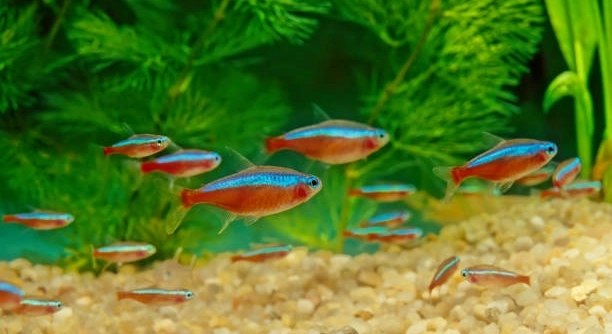
Have you ever looked at your tetra tank and wondered if your fish are truly thriving in their environment each day?
A happy tetra tank is defined by clear water, active swimming, vibrant colors, and peaceful interactions. These signs indicate proper care, balanced nutrition, and a stable environment, all of which are essential for maintaining healthy and content tetras.
Recognizing the signs of a healthy tank helps prevent common problems and ensures your tetras live long, stress-free lives in their aquatic home.
Clear, Clean Water
Clean water is one of the most important signs of a healthy tetra tank. If the water looks cloudy or has a bad smell, something is wrong. Proper filtration, regular water changes, and careful feeding keep the tank environment stable. Tetras are sensitive to poor conditions, and dirty water quickly affects their behavior and health. You should test your water weekly for ammonia, nitrite, nitrate, and pH levels. These numbers help show whether your tank is cycling properly and staying balanced. Avoid overfeeding, as excess food breaks down and affects water quality. Also, clean the filter regularly, but don’t replace it too often—beneficial bacteria live there. Good lighting and live plants can also help maintain water clarity. Clean water allows your tetras to stay active and free from stress. If you notice them gasping or floating oddly, check the water quality right away. Prevention is easier than fixing a sick tank.
Poor water quality can slowly cause stress in your tetras, weakening their immune systems and making them more likely to get sick.
Keeping an eye on the water quality every few days helps you catch small changes early. A well-maintained filter, steady temperature, and clean gravel will keep your tank water clear and healthy.
Bright, Vibrant Colors
Tetras naturally have rich, glowing colors, especially when they’re healthy. If you notice faded shades or dullness, it might mean they’re stressed or unwell. Healthy, happy tetras show off their best colors each day.
Bright colors in your tetras often reflect good tank conditions and proper nutrition. When they feel safe and relaxed, their colors become more vivid. This usually means the tank isn’t overcrowded, the water is clean, and the temperature is stable. Feeding your fish a variety of high-quality foods can also enhance their appearance. Flake foods, frozen options, and occasional live treats give them the nutrients they need to stay healthy. Try not to overcrowd the tank or pair tetras with aggressive fish. Stress from poor tank mates can cause color loss over time. Lights should also follow a day/night schedule. Too much or too little light can affect their patterns and stress them out. Always look at their color when you check the tank. It’s an easy way to tell if something might be wrong, even before behavior changes.
Active Swimming and Exploration
Tetras that feel safe and healthy swim confidently throughout the tank. They don’t hide all the time or stay still near the bottom. Regular movement shows they’re comfortable and that the tank conditions support their natural behavior.
Healthy tetras swim in small groups and move together in synchronized patterns. They often explore different parts of the tank and don’t spend too much time in one spot unless resting. Inactive or sluggish behavior might signal that something is wrong, such as poor water quality, stress, or illness. A healthy tank layout with open space and hiding spots encourages natural swimming habits. Tetras enjoy moving through plants and around decorations. Avoid overcrowding, which limits space and increases stress. Watching how your tetras swim each day gives you helpful clues about their comfort. If they’re active and curious, it means they’re likely thriving in the space you’ve created for them.
When tetras stop swimming normally or isolate themselves from the group, it can be a sign they’re stressed. Check the water parameters, temperature, and tank mates when this happens. Make sure they aren’t being bullied or pushed out of food spots. Even subtle changes in swimming behavior should be noticed and addressed quickly to keep them healthy.
Peaceful Group Behavior
Tetras are schooling fish and prefer to live in groups. They feel safest and happiest when they’re surrounded by others of their kind. Aggression is rare in a stable tank with enough space and hiding places.
When tetras are content, they school tightly and show calm, balanced movement. They don’t chase or nip at each other constantly. You might see occasional play, but it shouldn’t look stressful or aggressive. Keeping at least six of the same species helps reduce anxiety and encourages social bonding. Also, tank mates matter—avoid species that are too large or aggressive, as they can disrupt group harmony. Group behavior can shift with changes in water quality, feeding schedules, or lighting. If you see sudden changes, try adjusting these conditions first before assuming illness. A peaceful tank environment supports natural behaviors and helps tetras live longer, healthier lives without added stress from conflict or overcrowding.
Regular Eating Habits
Healthy tetras show excitement during feeding times. They swim quickly to the surface or middle of the tank and eat right away. A sudden loss of appetite often signals stress, illness, or poor water quality that needs attention.
Overfeeding can lead to bloating and dirty water. Feed small amounts once or twice daily and remove uneaten food after a few minutes. A good appetite shows your tetras feel secure and are receiving the nutrients they need to stay active, colorful, and healthy.
No Signs of Disease
Tetras in good health have smooth scales, clear eyes, and intact fins. Look out for signs like white spots, torn fins, or odd swimming patterns. These changes can indicate common illnesses such as ich or fin rot. Quick treatment and maintaining stable tank conditions help prevent these problems from spreading.
Healthy Breathing
Tetras should breathe calmly with steady gill movements. Gasping at the surface or fast breathing usually means the water lacks oxygen or the temperature is too high.
FAQ
How often should I clean my tetra tank?
You should clean your tetra tank weekly. Do a partial water change of about 25–30% to remove waste buildup and help keep the water clear. Clean the gravel using a siphon to remove food and debris from the bottom. Avoid cleaning everything at once, as it can remove helpful bacteria. Clean the filter monthly, using tank water to rinse it gently. This way, you keep the good bacteria that help break down toxins. Always test the water after cleaning to ensure it stays balanced. Stable conditions are key to healthy, happy tetras.
What is the ideal temperature for a tetra tank?
Tetras prefer a steady temperature between 74°F and 78°F (23°C–26°C). Use a reliable heater and thermometer to avoid temperature swings, which can cause stress and illness. Sudden changes, especially during water changes or power outages, can weaken their immune system. Keep the tank away from windows or heating vents to prevent unwanted changes. If the temperature drops too low or rises too high, your tetras may become sluggish, breathe faster, or hide more often. A consistent, comfortable range helps them stay active, eat well, and show off their natural colors.
How many tetras should I keep together?
Tetras are social fish that do best in groups of at least six. Keeping fewer than six can cause stress, leading to hiding, color loss, or odd behavior. Larger groups allow tetras to feel secure and act naturally. The more tetras you have, the more they school and interact. However, make sure your tank size supports the number of fish. A 10-gallon tank is suitable for a small group, but larger tanks give more room for swimming and reduce the chances of overcrowding. Keeping them in groups is important for their mental well-being.
Can I keep tetras with other fish?
Yes, tetras can live with peaceful, similarly sized fish. Good tank mates include guppies, rasboras, corydoras, and small gouramis. Avoid large or aggressive fish like cichlids, which may chase or eat tetras. Always watch how new fish behave during the first few days. Choose tank mates with similar water needs, including temperature and pH. Give all fish enough hiding spots to reduce stress and make the tank feel safe. A well-planned community tank helps all fish live peacefully, swim freely, and stay healthy. Compatibility is important to avoid fights and injuries.
Why are my tetras hiding all the time?
Hiding can mean your tetras feel unsafe or stressed. This could be due to poor water quality, sudden changes in light or temperature, or aggressive tank mates. It’s normal for them to hide sometimes, especially after a big change like moving or cleaning the tank. But if it continues, check your tank conditions. Make sure your water parameters are stable, and your lighting isn’t too bright. Add plants or decorations to give them more places to feel secure. When they’re comfortable, they will become more active and visible again.
How long do tetras usually live?
Tetras can live for 5 to 8 years if cared for properly. Clean water, good food, and a stress-free environment all play a role in their lifespan. Avoid sudden changes in tank conditions, and watch for signs of illness early. Feeding them a balanced diet and keeping them in groups helps improve their quality of life. Not all tetras will live that long, but consistent care makes a big difference. A peaceful, well-maintained tank gives them the best chance to live a full life and stay active throughout the years.
Do tetras need a filter in their tank?
Yes, a filter is essential for a healthy tetra tank. Filters remove waste, keep the water clear, and provide oxygen through surface movement. They also help good bacteria grow, which breaks down harmful substances like ammonia and nitrite. Without a filter, water quality drops quickly, putting stress on your fish. Choose a filter that matches your tank size and clean it regularly without removing all the helpful bacteria. A good filter system keeps your tank balanced, reduces how often you need full cleanings, and supports long-term health for your tetras.
Final Thoughts
Keeping tetras happy and healthy doesn’t have to be complicated. By paying attention to a few basic signs, you can tell whether your tank is doing well. Clean water, bright colors, active swimming, and peaceful behavior all point to a stable and comfortable environment. These fish are small, but they depend on consistency and care. When something changes in the tank—like water quality or temperature—you’ll often notice it in their behavior first. Watching your tetras every day helps you catch small issues early before they turn into bigger problems.
Healthy tetras will eat regularly, stay in groups, and show off their natural colors. These are easy things to notice once you know what to look for. A calm, balanced tank makes it easier for them to thrive. Feeding a variety of quality foods, maintaining the right number of fish, and avoiding overcrowding all help prevent stress. It’s also important to check the filter, keep the water temperature steady, and clean the tank on a routine schedule. Each of these steps supports the overall well-being of your tetras and makes tank care more manageable.
While tetras are low-maintenance compared to some fish, they still need attention and proper care. Small changes in the tank can affect their health, so staying consistent matters. If you notice your fish hiding, losing color, or acting strangely, take time to check your setup and adjust if needed. Most problems can be fixed with simple steps like cleaning the tank, checking the filter, or adjusting feeding habits. A little effort goes a long way in keeping your tetra tank a safe, peaceful place. Watching your fish swim freely and interact with one another is a sign that your efforts are working—and that your tank is truly a happy one.

Hello,
If you enjoy the content that we create, please consider saying a "Thank You!" by leaving a tip.
Every little bit helps us continue crafting quality advice that supports the health, happiness, and well-being of pets around the world, for pets of all shapes, sizes, and species.
We really appreciate the kindness and support that you show us!