
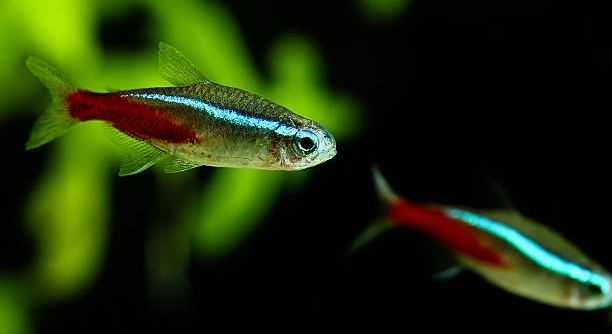
Tetras are small, colorful fish often seen swimming in groups in home aquariums. Many owners notice that these fish swim in spiral patterns instead of straight lines. This behavior can be interesting to watch and sometimes puzzling.
Tetras swim in spirals due to various reasons including social behavior, environmental factors, health issues, and instincts related to schooling and protection. These spirals help them communicate, navigate, and stay safe in their surroundings.
Understanding why tetras swim this way can help fish keepers create better tank conditions and improve the wellbeing of their aquatic pets. Learning more about these causes reveals important insights into tetra behavior.
Social Behavior and Schooling Instinct
Tetras are naturally social fish that prefer to swim in groups called schools. Swimming in spirals is part of their instinct to stay close together, which helps protect them from predators. In the wild, tight schooling makes it harder for a predator to target a single fish. The spiral movement also helps tetras coordinate their swimming, making the group appear as one large, moving entity. This behavior reduces stress and increases their chances of survival. In aquariums, even without predators, tetras keep this schooling habit because it is deeply ingrained in their nature. The spirals allow them to communicate subtle signals, like warnings or changes in direction. Watching tetras in these swirling patterns can be calming and shows how complex fish behavior can be. When keeping tetras, providing enough space for schooling helps maintain their natural swimming patterns and supports their wellbeing.
Schooling in spirals is mainly a defense and communication mechanism among tetras. It keeps them safe and connected.
Recognizing that spiraling is a natural social behavior helps explain why tetras rarely swim alone or in straight lines. This instinctive movement supports their mental health and group cohesion, so keeping tetras in appropriate groups is key to their happiness.
Environmental Influences on Swimming Patterns
Water quality and tank setup can strongly influence how tetras swim. Poor water conditions, such as low oxygen levels or high ammonia, can cause stress and unusual swimming behavior, including tighter or more erratic spirals. If the tank is overcrowded or lacks hiding places, tetras might swim in spirals more often as a response to discomfort. Lighting and water temperature also play a role. Too much light or sudden changes can make them nervous, increasing their spiral swimming as they try to find safety within the group. Aquariums with gentle water flow encourage natural swimming, but strong currents can cause tetras to spiral more to maintain position. Adjusting the tank’s environment to meet their needs often reduces excessive spiraling, helping tetras swim more smoothly and confidently.
A clean, well-maintained tank with the right conditions supports natural tetra swimming behavior.
Good environmental care not only prevents stress but also promotes healthy, calm swimming patterns. Observing spirals can indicate if changes are needed in the tank setup to improve the tetras’ comfort and health.
Health Issues Affecting Swimming
When tetras feel unwell, their swimming patterns often change. Spiraling may become more erratic or prolonged. Illnesses like swim bladder disorder, parasites, or infections can affect their balance and coordination.
Swim bladder problems make it hard for tetras to control buoyancy, causing them to swim in circles or spirals. Parasites and infections may irritate the fish, leading to restless or unusual movements. Watching for changes in spiral swimming can help spot health issues early. If spiraling is combined with other signs like loss of appetite or lethargy, it’s important to check water quality and consider treatment. Regular observation and tank maintenance help prevent these problems.
Prompt care is needed if spiraling becomes excessive or strange, as health problems worsen quickly in small fish like tetras. Addressing illness early helps restore normal swimming and keeps the group stable.
Breeding Behavior and Spirals
During breeding, tetras often swim in tighter spirals or circles as part of courtship and mating rituals. This behavior helps males attract females and shows readiness to spawn.
The spiral swimming during breeding is a way for tetras to communicate and coordinate the process. Males may swim closely around females in small groups, creating swirling patterns. This movement increases chances of fertilization by keeping the pair together. Breeding spirals usually happen more often in tanks with proper conditions like stable water temperature, clean water, and good nutrition. Observing these spirals can be exciting as they signal active breeding and a healthy aquarium environment. However, excessive spiraling outside of breeding times might suggest stress or other issues. Knowing the difference helps in managing the tank well.
Stress and Anxiety
Stress can cause tetras to swim in tight spirals or circles more frequently. Changes in their environment or sudden disturbances often trigger this behavior.
Loud noises, overcrowding, or aggressive tank mates increase tetra stress. Spiraling helps them feel safer by staying close to the group.
Tank Size and Space
Small tanks limit the swimming area, causing tetras to move in spirals instead of straight lines. Limited space forces them to adjust their movement patterns.
Providing enough room lets tetras swim naturally, reducing tight spiraling and promoting healthier behavior.
Water Current and Flow
Water flow affects how tetras swim. Strong currents make them swim in spirals to hold their position or navigate effectively in the tank.
Instinctive Behavior
Spiral swimming is part of tetra instinct for protection and navigation. This natural behavior helps them stay alert and coordinated within their group.
FAQ
Why do tetras swim in spirals instead of straight lines?
Tetras swim in spirals mainly because of their natural schooling behavior. Swimming in groups helps protect them from predators and keeps them connected. Spiraling also allows them to communicate with each other, signal danger, and navigate their environment more efficiently. This instinct is strong, so even in safe aquariums, tetras keep this pattern.
Is spiral swimming a sign of illness in tetras?
Not always. Some spiraling is normal due to social or environmental reasons. However, if the spiraling becomes erratic, prolonged, or is paired with other signs like loss of appetite, lethargy, or abnormal swimming, it could indicate a health issue such as swim bladder disorder or parasites. Monitoring these behaviors closely helps catch problems early.
Can stress cause my tetras to swim in circles or spirals?
Yes. Stress is a common reason for unusual swimming patterns. Factors like loud noises, overcrowding, poor water quality, or aggressive tank mates make tetras feel unsafe. They respond by swimming in tighter spirals as a protective measure. Reducing stress by improving tank conditions often reduces this behavior.
How does tank size affect tetra swimming?
Tank size matters a lot. In small tanks, tetras have limited space to swim, which forces them to move in circles or spirals rather than straight lines. Providing a larger tank with enough swimming room allows tetras to spread out and swim more naturally, reducing constant spiraling.
What role does water flow play in how tetras swim?
Water current influences swimming behavior. Strong or uneven currents cause tetras to swim in spirals to hold their position or navigate more easily. Gentle, consistent flow encourages natural movement, while harsh flow makes swimming more difficult and can increase spiral swimming as tetras adjust.
Do tetras swim in spirals when breeding?
Yes, spiral swimming is part of their courtship and mating behavior. During breeding, males swim closely around females in spiral patterns to attract them and stay near for fertilization. This behavior usually happens under good tank conditions with stable water parameters.
How can I tell if spiral swimming is normal or a problem?
Normal spiraling is smooth and coordinated within the group, often related to schooling or social behavior. Problematic spiraling looks erratic, uneven, or is accompanied by other signs of distress like clamped fins, loss of appetite, or pale colors. Observing the whole group and tank environment helps determine if action is needed.
What can I do to reduce excessive spiraling in my tetras?
Improve water quality by regular changes, avoid overcrowding, keep a stable temperature, and reduce noise or sudden disturbances. Ensure the tank is large enough and has gentle water flow. If illness is suspected, consult a vet or aquarium specialist for treatment. Providing hiding spots also helps lower stress.
Are all tetra species known to swim in spirals?
Most tetra species exhibit schooling and group swimming behaviors, including spiral swimming. However, the intensity and style can vary by species and environment. Some tetras are more active swimmers, while others prefer slower, tighter group movements.
Does feeding affect tetra swimming patterns?
Feeding can briefly change swimming patterns as tetras gather and compete for food, sometimes creating circular or spiral groups. After feeding, normal schooling usually resumes. Uneven feeding or poor diet can stress tetras, possibly increasing unusual swimming behavior over time.
How often should I observe my tetras for spiral swimming changes?
Daily observation is ideal. Watching how your tetras swim during feeding, resting, and normal activity helps notice early signs of stress or illness. Keeping a routine check supports timely intervention and keeps your fish healthy.
Can spiral swimming indicate water quality problems?
Yes, spiraling combined with other stress signs can reflect poor water quality. High ammonia, nitrite levels, or low oxygen can make tetras uncomfortable and change their swimming patterns. Testing water regularly and maintaining clean conditions prevents these issues.
Is spiral swimming dangerous for tetras?
Spiral swimming itself is not harmful if it’s normal schooling behavior. However, if caused by health problems or stress, it can indicate discomfort or injury risk. Addressing the underlying cause is important to prevent further issues.
Do tetras swim in spirals at night or only during the day?
Tetras tend to reduce activity at night, usually resting near the tank’s bottom or plants. Spiral swimming mostly happens during active periods in daylight or when they feel alert and social. Watching them during the day gives a better sense of their natural swimming behavior.
Tetras swimming in spirals is a natural and common behavior that serves many important purposes. It helps them stay connected with their group, communicate, and protect themselves from threats. This pattern is deeply rooted in their instincts, so even in safe aquarium environments, they continue to swim this way. Understanding that spiral swimming is part of how tetras interact with each other can help fish owners appreciate their behavior more and provide better care.
However, it’s important to watch for changes in the way tetras swim. Sometimes, spiraling can signal health problems or stress caused by poor water quality, illness, or uncomfortable tank conditions. When spiraling becomes irregular or is combined with other worrying signs like loss of appetite, lethargy, or unusual colors, it is time to check the aquarium environment and possibly seek treatment for the fish. Keeping the tank clean, providing enough space, and avoiding overcrowding can reduce stress and help maintain healthy swimming patterns.
Overall, knowing why tetras swim in spirals gives insight into their natural needs and helps create a better home for them. By paying attention to their behavior and environment, fish owners can support the health and happiness of their tetras. Watching these small fish move gracefully in spirals can be a rewarding part of aquarium keeping, showing how complex and fascinating fish behavior can be.

Hello,
If you enjoy the content that we create, please consider saying a "Thank You!" by leaving a tip.
Every little bit helps us continue crafting quality advice that supports the health, happiness, and well-being of pets around the world, for pets of all shapes, sizes, and species.
We really appreciate the kindness and support that you show us!