
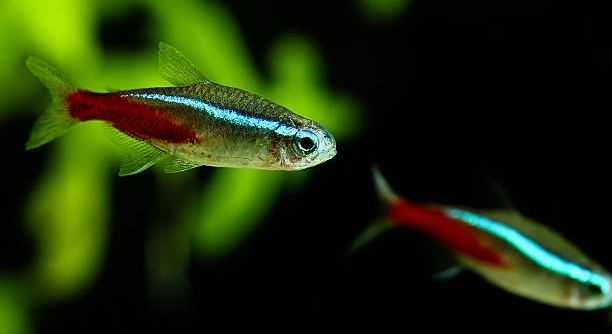
Tetras are popular aquarium fish that need proper care, including the right food. Changing their diet requires careful steps to avoid stress or health problems. This article explains how to transition tetra to new food smoothly and safely.
Transitioning tetra fish to new food involves gradually mixing the new food with their current diet over seven steps. This controlled approach minimizes digestive upset and helps the fish adapt to the new nutrition source effectively.
Following these steps will help ensure your tetra stays healthy and comfortable during the food change process. The guide offers clear instructions for a smooth transition.
Preparing for the Food Change
Before starting the transition, it is important to gather everything you will need. Choose a high-quality new food that suits tetra dietary needs. Make sure the new food is appropriate in size and nutritional content. Clean the tank and test water quality to ensure the environment is stable and healthy. Tetras can be sensitive to changes, so keeping their habitat consistent reduces stress during the switch. Plan to feed smaller portions throughout the day to observe how they react to the new food. Avoid overfeeding, as this can cause water quality issues. Having a steady routine helps the fish feel secure. When you start, introduce only a small amount of the new food mixed with the old to help them adjust slowly. Taking these steps before the change ensures a smoother transition for your tetras.
Preparing carefully sets the stage for success. Clean environment and proper food choice reduce risks.
Keeping the tank clean and water parameters stable is key. Tetras are sensitive to sudden changes in diet and environment, so avoid making multiple changes at once. Starting with a mix of old and new food allows your fish to slowly get used to the new taste and texture. Monitor their behavior and appetite during this phase. If you notice any signs of stress or refusal to eat, slow down the transition. Patience is important. Also, make sure the new food meets all their nutritional requirements, including protein and vitamins. Gradually increasing the amount of new food over several days helps prevent digestive problems. Consistent feeding times help your tetras feel secure and less anxious during the change.
Mixing the New Food Gradually
Start by mixing a small portion of the new food with the old. Use about 25% new food and 75% old food during the first two days. This helps tetras adjust without losing interest in their meals.
Gradually increase the new food portion every two days until the diet is completely switched. This controlled method reduces stress and digestive upset in your fish.
If you notice leftovers or fish rejecting the food, slow the process. Observe the fish closely to ensure they are eating and acting normally. Changing food too quickly can cause digestive problems or reduce appetite. Keep the feeding environment calm and consistent. Provide clean water and stable temperatures during this time. Patience and careful observation are key to a successful transition. By the end of the week, your tetras should fully accept the new food without issue. This method helps maintain their health and happiness during the switch.
Monitoring Fish Behavior
Watch your tetras carefully during the transition to spot any signs of stress or illness early. Changes in activity, appetite, or color can indicate a problem.
If the fish seem lethargic or stop eating, it may mean the new food isn’t suitable or the transition is too fast. Adjust the process by slowing down and offering more of their original diet for a few days. Keep the tank clean and check water parameters regularly, as poor water quality can worsen stress. Healthy tetras should remain active and eager to eat throughout the change.
Look for unusual behavior like hiding or gasping at the surface. Such signs can point to health issues related to diet or environment. If problems continue, consult a vet or fish care expert to avoid long-term harm. Staying attentive helps ensure your tetras stay healthy and comfortable with their new food.
Feeding Schedule Adjustments
Gradually adjust feeding amounts as the new food takes over. Smaller, more frequent meals help digestion and reduce waste buildup. Feeding the right portion keeps the tank clean and the fish healthy.
Avoid overfeeding during this period since uneaten food can pollute the water quickly. Tetras do best with moderate portions given two to three times daily. Observe their appetite and modify quantities if needed. Consistency in feeding times supports their natural rhythms and reduces stress.
Keep track of how much your tetras eat each day. If they finish all their food quickly, slightly increase portions. If leftovers remain, cut back to prevent water issues. Proper feeding balances nutrition and tank maintenance, which is important during dietary changes. Maintaining this balance makes the transition smoother for your fish and keeps their environment stable.
Adjusting Water Conditions
Water quality can change during feeding transitions, so test it regularly. Uneaten food can cause spikes in ammonia or nitrites, harming your tetras. Keep filters clean and perform partial water changes as needed to maintain a safe environment.
Consistent water temperature and pH help reduce stress. Avoid sudden changes in these conditions while changing food.
Recognizing Signs of Digestive Issues
Watch for bloating, unusual swimming patterns, or stringy feces, which indicate digestive problems. These issues often happen if the new food is not digestible or if the transition is too fast. Slowing the change and providing familiar food can help.
Using Supplements Carefully
Supplements may support your tetras’ health during the diet switch. Use them only if necessary and follow instructions closely to avoid overdosing. Some vitamins or probiotics can improve digestion and immune response but should not replace a balanced diet.
Avoiding Overfeeding
Overfeeding leads to poor water quality and stress. Feed small portions that your tetras can finish quickly. Stick to scheduled feeding times to keep the tank clean and fish healthy.
FAQ
How long does it take to transition tetras to new food?
The transition usually takes about one week. This allows the fish to adjust gradually to the new diet without causing digestive upset. Rushing the process can lead to stress or refusal to eat. The key is mixing the new food with the old in increasing amounts every few days until the switch is complete.
What if my tetras refuse to eat the new food?
If your fish reject the new food, slow down the transition. Go back to a higher ratio of their old food and try increasing the new food more gradually. Sometimes offering the new food at different times or slightly moistening it can help. Make sure the food is fresh and suitable in size and texture.
Can I switch directly to new food without mixing?
Switching suddenly is not recommended. Tetras are sensitive to changes in diet, and a sudden switch can cause stress and digestive issues. Mixing old and new food over several days helps the fish adjust to new flavors and nutrients more comfortably.
Is it necessary to change the food brand or type often?
It depends on the nutritional needs of your tetras and the quality of their current food. Occasionally changing food types can provide varied nutrients, but frequent switches can stress the fish. Always introduce any new food gradually, following the seven-step transition process.
How do I know if the new food is good for my tetras?
Look for foods with balanced nutrition, including protein, fats, and essential vitamins. Check if the food is specifically formulated for small tropical fish like tetras. Observe your fish after feeding; healthy fish should be active and maintain bright colors.
What should I do if my tetras show signs of illness during the transition?
If you notice lethargy, loss of appetite, bloating, or unusual swimming, slow or pause the transition and return to their old diet. Check water quality and tank conditions. If symptoms persist, consult a vet or aquatic specialist for advice.
Can I use frozen or live food during the transition?
Yes, frozen or live food can supplement the diet, especially if your tetras are picky eaters. These options provide natural nutrients and variety. Introduce them carefully alongside pellet or flake food, monitoring for any digestive issues.
How often should I feed my tetras during the transition?
Feed small portions two to three times daily. Frequent, moderate feedings reduce waste and help maintain water quality. Keep the portions small enough that your fish finish their food within a few minutes to avoid leftover food polluting the tank.
Will changing food affect my tetra’s health long term?
If done properly, changing food can improve health by providing balanced nutrition. Sudden or poorly managed changes, however, may cause stress or digestive problems. Careful monitoring and a gradual transition help maintain your fish’s well-being.
Are there any foods I should avoid feeding my tetras?
Avoid foods that are too large, low quality, or lack proper nutrients. Foods with fillers or artificial additives can harm your fish. Also, avoid feeding human food or anything not designed for aquarium fish, as it may upset their digestion.
How important is tank cleanliness during the transition?
Tank cleanliness is very important. Uneaten food can quickly degrade water quality, increasing toxins that stress your tetras. Regular water changes, cleaning the substrate, and maintaining filters help keep the environment safe and healthy.
Can stress from changing food cause disease?
Yes, stress weakens the immune system and makes fish more vulnerable to illness. Slow transitions, stable water conditions, and careful monitoring reduce stress and help prevent diseases during diet changes.
Changing your tetra’s food can feel like a careful task, but it is an important part of keeping them healthy. The key is to take your time and follow the steps that allow your fish to adjust gradually. A sudden switch can cause stress or digestive problems, which could harm your fish. By mixing the new food with the old in small amounts and increasing it slowly, you help your tetras get used to the change without upsetting their system. This approach supports their digestion and appetite while keeping them comfortable.
Keeping the tank clean and monitoring water quality is just as important during this time. Uneaten food and waste can cause spikes in harmful chemicals that affect your fish’s health. Regular partial water changes and cleaning filters will help maintain a safe environment. Watching your tetras for any signs of illness or unusual behavior also matters. If they seem stressed or sick, slowing down the transition or seeking advice from a vet or expert can prevent bigger problems. Proper care and attention make the change easier for your fish.
Finally, adjusting feeding amounts and times helps your tetras settle into their new diet. Feeding small portions multiple times a day reduces leftover food and keeps water cleaner. Keeping a steady routine helps your fish feel secure. Remember, every tetra may react differently to new food, so patience and close observation are important. Following these simple steps can ensure your tetras stay healthy and happy while enjoying their new food. Taking the time to do it right benefits both you and your fish in the long run.

Hello,
If you enjoy the content that we create, please consider saying a "Thank You!" by leaving a tip.
Every little bit helps us continue crafting quality advice that supports the health, happiness, and well-being of pets around the world, for pets of all shapes, sizes, and species.
We really appreciate the kindness and support that you show us!