
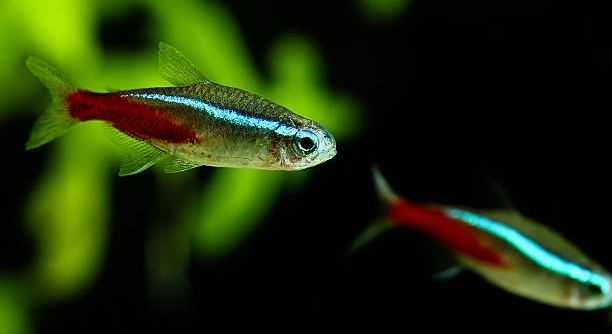
Handling a tetra tank overload is a common challenge for fish owners who want to keep their aquatic pets healthy and happy. When too many fish crowd the tank, it can lead to poor water quality and stressed fish. Taking the right steps early can prevent bigger problems.
Managing a tetra tank overload involves reducing fish population, improving filtration, performing regular water changes, and monitoring water parameters closely to maintain a balanced and healthy environment for the fish to thrive.
Proper care techniques can improve your tank’s condition and promote your tetras’ well-being over time. Understanding how to address overload issues will help you create a stable aquatic home.
Recognize the Signs of Overload
Overcrowding in a tetra tank usually shows through changes in water clarity, unusual fish behavior, and increased algae growth. Fish may become restless, hide more, or show signs of stress like faded colors or clamped fins. Excess waste from too many fish causes ammonia and nitrite levels to rise, harming the tank’s environment. It’s important to test the water regularly to catch these changes early. Cloudy water or a strong fishy smell also signals that the tank needs attention. Watching your tetras closely helps you spot when the tank is too full before serious damage happens. Addressing these signs quickly ensures a healthier tank and happier fish.
Testing water and observing fish behavior are key to detecting overload. Early recognition makes managing the situation easier and prevents long-term harm.
Recognizing overload early allows you to take timely action, such as adjusting tank maintenance routines or reducing the number of fish. Regular water tests for ammonia, nitrite, and nitrate levels give a clear picture of the tank’s health. Keeping an eye on fish behavior adds another layer of protection. By noticing these signs early, you avoid the common problems associated with overcrowding like disease outbreaks and poor growth. Taking quick steps after detection improves the quality of life for your tetras and keeps the tank environment balanced and safe.
Reduce Fish Population
Removing some tetras is the most direct way to fix overcrowding. It lowers waste and gives the remaining fish more space to swim and thrive. Before removing fish, find a suitable new home or local pet store that accepts returns. Be gentle when handling fish to reduce stress. You can also consider setting up another tank if you want to keep them all but separate them. Reducing the number of fish helps improve water quality faster than other methods alone.
Reducing the number of fish quickly helps bring the tank back to a healthy state.
While adjusting the fish count may seem difficult, it is the most effective way to manage overload. Overcrowding leads to poor oxygen levels and more competition for food, which harms all the fish in the tank. Even the best filters can’t handle excessive waste from too many fish. By reducing population, you ease the pressure on filtration systems and improve water quality. This change promotes better health, reduces stress, and lowers the risk of disease among your tetras. If keeping fewer fish isn’t possible, upgrading filtration and increasing maintenance become even more critical to prevent long-term damage. Prioritizing the right number of fish ensures a stable, healthy environment for your tank’s community.
Improve Filtration System
Upgrading your tank’s filter helps handle the extra waste from an overloaded tank. A stronger filter improves water clarity and reduces harmful toxins. It supports beneficial bacteria that break down waste more efficiently, keeping the environment healthier for your tetras.
A high-quality filter is essential for maintaining water quality in an overloaded tank. Filters with both mechanical and biological components work best. Mechanical filtration removes debris, while biological filtration promotes bacteria that convert ammonia and nitrites into less harmful nitrates. Consider a filter rated for a larger tank than yours to ensure it can handle the load. Regularly clean the filter media without disturbing the beneficial bacteria. This balance keeps the water stable and supports fish health, even when the tank is crowded.
Choosing the right filter involves assessing tank size, fish count, and water flow needs. Canister filters and power filters are popular options that offer strong filtration. Avoid filters that create too much current, as tetras prefer gentle water movement. Maintaining a clean and efficient filtration system reduces the risks linked to overload and helps prevent sudden water quality issues that can stress your fish.
Perform Frequent Water Changes
Frequent water changes reduce toxins and improve oxygen levels in an overloaded tank. Changing 20 to 30 percent of the water weekly helps keep the environment stable and clean. This practice supports fish health and prevents the buildup of harmful substances.
Water changes are a simple yet effective way to manage poor water quality caused by overload. Removing dirty water and replacing it with fresh, dechlorinated water dilutes pollutants and refreshes the tank. Use a siphon to clean gravel and remove leftover food or waste during changes. Consistency is key—regular water changes maintain balance and avoid sudden spikes in ammonia or nitrites. Avoid changing too much water at once, as it can shock the fish and disrupt beneficial bacteria colonies.
In addition to water changes, monitoring water parameters frequently helps catch problems early. Using water conditioners to remove chlorine and chloramine protects your fish during water changes. Proper temperature matching between new and tank water reduces stress. With steady water maintenance, your tetras will have a healthier, more comfortable home, even if the tank remains slightly crowded for a short time.
Monitor Water Parameters Closely
Regularly checking water parameters helps catch issues early. Test for ammonia, nitrite, nitrate, and pH at least once a week. Keeping these levels stable prevents stress and illness in your tetras.
Invest in a reliable water testing kit. Consistent monitoring guides you on when to do water changes or adjust filtration. It’s a small effort that keeps your tank healthy.
Avoid Overfeeding
Overfeeding worsens water quality by adding excess waste. Feed your tetras only what they can eat in 2-3 minutes once or twice daily.
Reducing food prevents uneaten leftovers from decomposing and raising ammonia levels. This simple step supports clearer water and healthier fish in a crowded tank.
Increase Aeration
Adding an air stone or bubbler boosts oxygen levels. Overloaded tanks often have low oxygen, which stresses fish and slows beneficial bacteria.
Improved aeration helps fish breathe easier and speeds up waste breakdown, creating a more balanced environment. It’s an easy way to support your tank’s health during overload.
FAQ
How do I know if my tetra tank is overloaded?
Signs of overload include cloudy water, strong odors, stressed or hiding fish, and frequent algae growth. Water tests showing high ammonia or nitrite levels also indicate overcrowding. Watching your tetras closely for unusual behavior can help catch overload early.
Can I keep more than 10 tetras in a 10-gallon tank?
A general rule is one inch of fish per gallon. Tetras grow to about 1.5 to 2 inches, so a 10-gallon tank usually supports about 5 to 7 tetras comfortably. More fish will increase waste and stress, making it harder to maintain good water quality.
What’s the fastest way to fix an overloaded tank?
Removing some fish and performing a large partial water change are the quickest fixes. Upgrading filtration and increasing aeration will also improve water conditions. These steps combined help restore balance in the tank.
How often should I test water in an overloaded tank?
Testing water every 2 to 3 days is best during overload. Frequent checks let you spot dangerous spikes in ammonia or nitrites early. Once the tank stabilizes, weekly testing is usually enough.
Is it safe to remove fish suddenly from an overloaded tank?
Removing fish gently is important to avoid stress or injury. Use a net carefully and place the fish in a clean, prepared temporary tank. Sudden changes can be stressful, so try to minimize handling time and keep water parameters stable.
Can adding plants help with an overloaded tank?
Live plants absorb nitrates and provide oxygen, which can improve water quality. Fast-growing plants are especially helpful in reducing excess nutrients. However, plants alone can’t fix overcrowding if the fish load is too high.
What filter type is best for a tetra tank overload?
Canister filters and hang-on-back filters rated for larger tanks work well. They offer strong mechanical and biological filtration to handle increased waste. Avoid filters that produce strong currents, as tetras prefer gentle water flow.
How much water should I change during an overload?
Change 20-30% of the water weekly to keep toxin levels down. During a serious overload, a 40% change might be needed once, but avoid changing too much at once to protect beneficial bacteria and reduce stress on fish.
Can I feed my tetras less during overload?
Yes, reducing feeding helps prevent excess waste and keeps water cleaner. Feed only what the fish eat within a few minutes, once or twice a day. Skipping one feeding occasionally is better than overfeeding.
How long does it take for a tank to recover from overload?
Recovery time varies but usually takes 1 to 3 weeks with proper care. Removing fish, improving filtration, and regular water changes speed recovery. Patience is key; rushing can harm fish and delay healing.
What happens if I don’t fix an overloaded tank?
Ignoring overload can cause poor water quality, increased fish stress, disease, and even death. Overcrowded tanks are harder to maintain and can become unhealthy quickly, putting all aquatic life at risk.
Can I use medication to treat problems caused by overload?
Medication might help treat diseases but won’t fix water quality issues. Addressing the cause—overcrowding and poor water conditions—is more important. Clean water and stable parameters are the best prevention.
Is it okay to add more filtration media to my filter?
Adding extra biological or mechanical media can boost filtration capacity. It helps break down waste more effectively. Just be sure not to block water flow or overclean media, which can harm beneficial bacteria.
How does aeration help overloaded tanks?
Aeration increases oxygen levels, which helps fish breathe and supports beneficial bacteria. Overloaded tanks often have low oxygen due to excess waste. An air stone or bubbler improves gas exchange and keeps water healthier.
What should I do if my tetras are stressed due to overcrowding?
Reduce the number of fish if possible, maintain clean water, and provide hiding spots with plants or decorations. Stress weakens the immune system, so keeping stable water and reducing competition is crucial for recovery.
Are there any natural ways to control algae in an overloaded tank?
Algae eat excess nutrients but grow quickly when tanks are overloaded. Adding algae-eating fish or snails can help control it, but the best way is to manage fish load, feed sparingly, and keep up with water changes to limit nutrients.
Final Thoughts
Managing a tetra tank overload requires patience and consistent care. Overcrowding creates a stressful environment for your fish and can quickly lead to poor water quality. It is important to keep the tank balanced by paying attention to the number of fish, maintaining proper filtration, and performing regular water changes. Taking these steps helps create a healthier environment where your tetras can thrive. Remember, prevention is easier than fixing problems after they get worse.
Reducing the fish population when necessary is the most effective way to control overload. While it may feel difficult to remove some fish, this action can prevent many health problems down the line. Upgrading your filter and increasing aeration also support a stable environment by improving water quality and oxygen levels. Testing water frequently is essential to catch any changes early and make timely adjustments. Overfeeding should be avoided to reduce waste and keep toxins low. These combined efforts will reduce stress on your fish and create a more balanced aquarium.
With proper care and attention, an overloaded tetra tank can recover well. It may take some time, but your efforts will lead to a healthier tank where your tetras swim freely and look vibrant. Maintaining a good routine is key to avoiding overload in the future. Paying close attention to signs of stress and water quality keeps problems from becoming serious. Taking the time to learn and apply these simple practices ensures a safe and comfortable home for your fish.

Hello,
If you enjoy the content that we create, please consider saying a "Thank You!" by leaving a tip.
Every little bit helps us continue crafting quality advice that supports the health, happiness, and well-being of pets around the world, for pets of all shapes, sizes, and species.
We really appreciate the kindness and support that you show us!