
Do your kids love watching fish swim but you’re unsure which kind is best for their first aquarium experience?
Tetra fish are considered one of the best options for kids due to their small size, peaceful nature, simple care requirements, and vibrant colors that make them fun to watch and easy to enjoy.
These reasons show why many families choose tetras when starting out with fishkeeping, and there’s even more to learn about how they fit into a child-friendly aquarium.
Tetras Are Easy to Care For
Tetras are a great choice for kids because they are low-maintenance and adapt well to beginner setups. They don’t need large tanks or complicated equipment. A simple tank with a filter, heater, and some plants is usually enough. These fish are hardy and can adjust to small changes in water conditions, which is helpful when kids are still learning how to care for them. Tetras also have a calm nature, so they don’t get stressed easily. Their needs are basic: clean water, proper food, and a stable environment. Even feeding them is easy, as they eat common flake or micro pellet food. With light supervision, kids can handle their care with ease, making tetras a perfect entry-level pet. This gives children the chance to feel responsible while also making fishkeeping fun and manageable. Overall, tetras allow kids to enjoy pet ownership without the stress of complex care routines.
These fish are calm, colorful, and simple to feed. Their care routine is easy to understand, which keeps things less stressful for children.
If you’re looking for a fish that teaches responsibility without being too demanding, tetras are a solid choice. Their gentle nature and forgiving care needs make them ideal for young beginners.
Tetras Are Small but Active
Their small size makes tetras ideal for smaller tanks, which means more manageable setups for kids and families.
Tetras don’t need a lot of space, which is perfect for homes with limited room. Even in small groups, they stay active and fun to watch. They like to swim together, often in schools, which adds life and movement to the tank. Their playful behavior can be very entertaining and soothing. Watching them interact with one another gives kids something engaging to enjoy every day. Because they don’t grow too large, it’s easier to keep more than one in a tank, which helps reduce loneliness among the fish. Having several tetras at once helps kids understand the importance of social interaction in animals. The gentle, constant activity in the tank creates a relaxing atmosphere in the home. Overall, their small size and active swimming habits offer both practical benefits and visual enjoyment.
Tetras Have Beautiful Colors
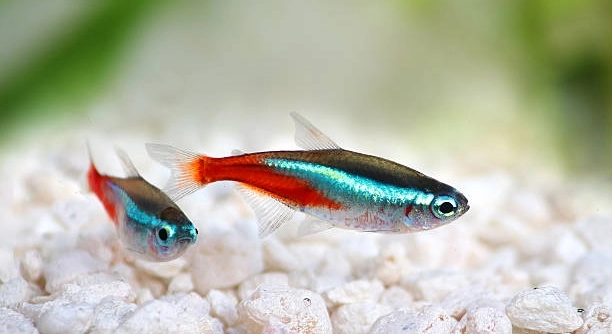
Tetras are known for their bright, eye-catching colors. These colors can really stand out, even in small tanks. Kids often enjoy watching the way their colors shimmer as they swim around under the tank light. It adds a cheerful touch to any space and keeps things visually interesting.
The most popular tetras, like neon tetras and cardinal tetras, have bold blue and red stripes that shine in the water. Others, like glowlight or ember tetras, come in soft oranges or glowing pinks. These colors don’t fade easily, especially when the fish are healthy and well cared for. Children are naturally drawn to bright colors, so these fish help keep them interested in aquarium care. Their appearance also helps kids tell the fish apart, making it easier to observe behavior or spot changes in health. A colorful tank can make kids feel proud and excited about their underwater pets.
When a tank is well-lit and clean, the colors of tetras truly shine. Seeing them swim together in a group can feel almost like watching a living light show. This type of visual stimulation can hold a child’s attention longer and create a deeper interest in taking care of the fish. It also adds charm to any room.
Tetras Are Peaceful
Tetras usually get along well with each other and with other peaceful fish. This makes them a great option for community tanks. They rarely show aggressive behavior, which helps reduce stress in the aquarium and keeps the tank calm.
Most tetras prefer living in groups of six or more, which helps them feel safe and relaxed. When kept this way, they are more likely to display natural swimming patterns and avoid hiding. This group behavior also makes them less likely to nip or bother other tankmates. Their peaceful nature means fewer conflicts in the tank, which can make the experience smoother for kids who are still learning how to spot problems. Parents don’t have to worry as much about one fish hurting another, and kids get to enjoy watching fish that move gracefully and interact gently. It’s a nice, calm way to introduce kids to aquatic pets.
Tetras Teach Kids Responsibility
Caring for tetras gives kids a chance to learn daily routines like feeding and tank checks. These small tasks help build good habits and teach them how to be consistent and thoughtful with animal care. It’s a simple way to introduce responsibility in a hands-on, rewarding way.
Cleaning the tank and checking water levels also help children learn about following steps and watching for changes. These experiences can make them feel more involved and proud of their role. It’s a gentle way to show them that even small actions matter when caring for a living creature.
Tetras Are Budget-Friendly
Tetras are usually inexpensive to buy and keep. Their food is affordable and lasts a long time. Most pet stores carry what they need, and their small tanks use less power and fewer supplies. This makes tetras a cost-effective choice for families wanting a simple pet without high expenses.
Tetras Are Widely Available
Tetras can be found in almost every pet store, both in-person and online. This makes it easy to replace a fish if needed or to add more to the tank later. Their popularity also means there’s plenty of advice and support available for new owners.
How many tetras should I keep in one tank?
Tetras are schooling fish, which means they feel safest and happiest in groups. It’s best to keep at least six tetras together. This helps them swim naturally and reduces stress. Smaller groups may cause them to hide or act shy. Having a group also makes the tank more lively and interesting to watch.
What size tank do I need for tetras?
A 10-gallon tank is usually enough for a small school of tetras. This size is manageable and gives them enough room to swim comfortably. If you want to keep more tetras or add other peaceful fish, consider a larger tank. Keeping the tank clean and stable is more important than having a very large space.
What do tetras eat?
Tetras eat simple foods like flake or micro pellet fish food. They also enjoy frozen or live foods like brine shrimp or daphnia for variety. Feeding small amounts once or twice a day is enough. Overfeeding can cause water problems and make the fish sick.
How often should I clean the tank?
Partial water changes of about 20-25% should be done weekly or every two weeks. This helps keep the water clean without stressing the fish. Cleaning the tank glass and removing leftover food will keep the environment healthy. Regular maintenance keeps tetras happy and reduces health risks.
Can tetras live with other fish?
Tetras are peaceful and usually get along with other non-aggressive fish. Good tankmates include guppies, mollies, and small rasboras. Avoid larger or aggressive fish that might bully or eat the tetras. Always research compatibility before mixing species.
How long do tetras live?
With proper care, tetras can live between 3 to 5 years. Keeping their tank clean and stable, feeding them well, and avoiding stress will help them live longer. Watching for signs of illness early can also prevent serious problems.
Do tetras need a heater?
Most tetras prefer water temperatures between 72-80°F (22-27°C). A heater is usually needed to maintain this range, especially in cooler climates. Stable temperature helps keep them healthy and active. Avoid sudden temperature changes to prevent stress.
What kind of plants work best with tetras?
Live plants like Java fern, Anubias, and Amazon sword are good choices. They provide hiding places and help keep the water clean. Tetras enjoy swimming among plants, which makes the tank more natural and comfortable for them. Live plants also improve the tank’s overall look.
Are tetras good for small children?
Yes, tetras are gentle and easy to care for, making them suitable for kids. Their small size and calm behavior mean less risk of harm or injury. Kids can learn to feed and watch them, which builds interest in caring for pets. Adult supervision is still important for tank maintenance.
What should I do if a tetra looks sick?
If a tetra shows signs like clamped fins, lack of appetite, or spots on its body, act quickly. Check water quality first and perform a partial water change. Isolate the sick fish if possible and research treatment options. Early care improves the chance of recovery.
Can I keep just one tetra?
It’s not recommended to keep a single tetra alone because they are social fish. A lone tetra can become stressed and may show unhealthy behavior. Keeping a group helps them feel safe and act naturally, improving their overall well-being.
How often do tetras breed?
Tetras can breed in home aquariums if conditions are right, such as clean water and the right temperature. They lay eggs, usually among plants or spawning mops. Breeding requires special care to protect the eggs and fry from adult fish.
What is the best way to introduce new tetras?
When adding new tetras, float their bag in the tank water for 15-20 minutes to equalize temperature. Slowly mix some tank water into the bag before releasing them. This helps reduce stress and prevents sudden changes that can harm the fish.
These common questions cover what you need to know about keeping tetras healthy and happy. With a little care and attention, tetras make great pets that kids can enjoy watching and caring for every day.
Tetras are a great choice for kids who want to start keeping fish. They are small, peaceful, and easy to care for. Their bright colors make them fun to watch, and they do well in small tanks that are easy to manage. Because tetras don’t need complicated care or expensive equipment, they are perfect for beginners. Kids can learn important skills like feeding, cleaning, and watching for changes in the fish. This helps build a sense of responsibility while also giving them a chance to enjoy having a pet. Families who want a simple, low-stress way to introduce children to animal care will find tetras a good fit.
Taking care of tetras does not require a lot of time or money. Feeding them is simple, and regular water changes keep the tank healthy. Tetras are hardy fish, meaning they can handle small mistakes and still stay healthy. This makes them forgiving pets for kids who are still learning. Keeping a group of tetras together creates a lively and calming tank environment. Their peaceful nature means they get along well with other calm fish. This helps avoid problems that can sometimes happen in community tanks. Overall, tetras offer a good balance between beauty and ease of care, which makes them very popular among families.
For those thinking about getting fish for their kids, tetras provide many benefits. They help teach patience and routine without overwhelming new fishkeepers. Watching their bright colors and active swimming can be relaxing and enjoyable. Tetras also encourage observation and learning about nature, which is helpful for kids. The simple care needs and friendly behavior make them a good starting point for anyone interested in fishkeeping. When cared for properly, tetras can live several years, giving kids a chance to develop a lasting interest in aquatic pets. This makes tetras a thoughtful and practical choice for families looking to add a pet to their home.

Hello,
If you enjoy the content that we create, please consider saying a "Thank You!" by leaving a tip.
Every little bit helps us continue crafting quality advice that supports the health, happiness, and well-being of pets around the world, for pets of all shapes, sizes, and species.
We really appreciate the kindness and support that you show us!