
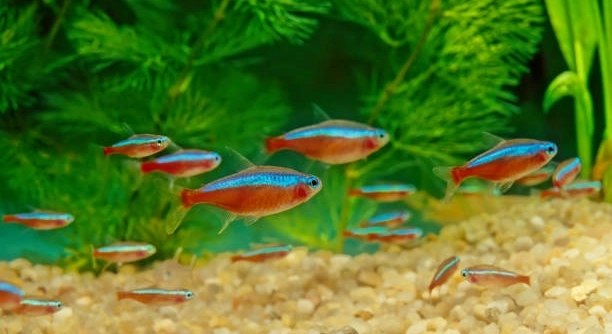
New plants can bring life and color to Tetra tanks, but they need careful preparation before adding them to the aquarium. Proper steps help plants adjust well and support a healthy tank environment. This article explains how to prepare new plants effectively.
Preparing new plants for Tetra tanks involves rinsing to remove debris, trimming damaged leaves, soaking to release chemicals, and gradually acclimating plants to the tank’s water conditions. These steps reduce shock and promote healthy growth.
Following these guidelines will help your plants thrive and create a balanced, beautiful aquarium. Understanding the preparation process is key to a successful planted tank.
Rinse Plants Thoroughly
Before adding new plants to your Tetra tank, it’s important to rinse them well. Plants bought from stores often carry dirt, chemicals, or tiny pests. Running them under fresh water helps remove dust and harmful residues. This step also washes away unwanted algae or snail eggs that could cause problems later. Taking the time to rinse plants protects your tank’s delicate balance and keeps fish safe. When rinsing, gently rub leaves and stems without damaging them. If possible, soak the plants briefly in dechlorinated water to remove leftover chemicals. A clean plant has a better chance to adapt and grow strong in your aquarium. Skipping this step can lead to cloudy water or algae outbreaks, which make tank maintenance harder. A simple rinse saves effort down the line and creates a healthier environment for both plants and fish.
Rinsing plants before planting reduces the risk of introducing pests or chemicals that could harm your tank’s ecosystem.
Proper cleaning of new plants ensures they start off free from contaminants. Taking this initial step helps your aquarium stay clear and balanced. It also prevents unwanted hitchhikers that can disrupt your tank. Once rinsed, trimming dead or damaged leaves prepares plants for easier growth. Clean plants settle faster and adjust to water conditions more smoothly, supporting the overall health of the Tetra tank.
Trim Dead or Damaged Leaves
Trimming leaves that are dead or broken before planting helps the plant focus on healthy growth. Removing damaged parts reduces decay inside the tank, which could affect water quality. Use sharp scissors or tweezers to cut off yellow, brown, or torn leaves. This also improves the plant’s appearance and encourages new shoots to grow stronger. If any roots look rotten or unhealthy, trim those as well. Healthy roots are important for the plant to take in nutrients efficiently. After trimming, plants are easier to position and less likely to release debris. This small effort at the start will support long-term growth and keep your Tetra tank cleaner. Trimming also helps prevent the spread of disease or fungus in your aquarium, which can happen if dead leaves stay on the plant.
Proper trimming of plants before placing them in the tank reduces waste buildup and promotes healthy development of aquatic plants.
Taking time to trim plants prepares them for successful adaptation in your aquarium. It minimizes decay and keeps the water clearer, benefiting your Tetra fish and other tank inhabitants. Trimming also makes it easier to arrange plants within the tank, creating a more natural look. Healthy, well-maintained plants support a stable ecosystem and provide hiding places for your fish. This step is a simple but important part of preparing your plants for life underwater.
Soak Plants Before Planting
Soaking new plants before placing them in your Tetra tank helps remove leftover pesticides and chemicals. It also softens the plants, making them easier to plant and less likely to shock when introduced to new water conditions.
Soaking plants in a container with dechlorinated water for a few hours can be very effective. This process leaches out any harmful substances that may have been used during transport or in the store. It also encourages roots to become more flexible and ready to absorb nutrients. Changing the soak water once or twice helps flush out toxins and keeps the water clean for the plants. Avoid soaking for too long, as plants can start to weaken if left out too long without light or nutrients.
By soaking plants properly, you reduce the risk of harming your tank’s delicate balance. This step helps plants adjust gradually to their new environment. It also promotes stronger root development, which is vital for healthy growth. Soaking can prevent sudden die-off or wilting after planting, making your tank look fresher and more vibrant.
Acclimate Plants to Tank Water
Acclimating plants to the tank water helps them adjust to new conditions like temperature and pH gradually. This prevents shock, which can stunt growth or kill the plant.
To acclimate, float the plant in a container of tank water for 20-30 minutes. Slowly mix small amounts of tank water into the container over time. This eases the plant into the water chemistry it will live in. Avoid placing plants directly from tap water or store bags into the tank. Sudden changes in water parameters can stress plants and cause leaf loss or root damage. Taking time to acclimate ensures plants settle in smoothly. Healthy plants establish roots faster and contribute to a stable tank environment. This step also improves the overall success rate of new plants thriving in your Tetra tank.
Remove Packaging and Store Materials
Removing all packaging and store materials is crucial before adding plants to your tank. These materials can carry chemicals, pests, or debris that harm your aquarium’s water quality.
Plastic clips, rubber bands, and foam pads should be carefully taken off. Leaving them in can cause water contamination and stress your fish and plants.
Use Root Tabs or Fertilizer
Adding root tabs or liquid fertilizer provides essential nutrients to new plants in a Tetra tank. Plants need minerals like iron, potassium, and nitrogen to grow well. Root tabs placed near the plant roots release nutrients slowly, feeding the plant for weeks. Liquid fertilizers added to the water column support leaves and stems. Using fertilizer encourages strong root systems and vibrant foliage. Without extra nutrients, plants may grow slowly or develop yellowing leaves. Regular fertilization keeps plants healthy and helps them compete with algae. It also supports the natural balance of your aquarium, making it a better habitat for fish and other aquatic life.
Plant Slowly and Carefully
Planting new plants slowly reduces stress and damage. Handle them gently and avoid overcrowding to give each plant room to grow.
FAQ
How long should I soak plants before adding them to my Tetra tank?
Soaking plants for about two to four hours in dechlorinated water is usually enough. This helps remove chemicals and softens the plants for easier planting. Avoid soaking longer than 24 hours, as plants can start to weaken without proper light and nutrients during that time.
Can I plant new plants directly from the store bag into the tank?
It’s not recommended. Store bags often contain water with different chemicals and temperatures that can shock your plants. Rinse, soak, and acclimate plants first to reduce stress and improve survival rates.
Should I trim all leaves before planting?
Trim only dead or damaged leaves. Healthy leaves help the plant make food through photosynthesis. Removing too many leaves can slow down growth and recovery.
What fertilizer type is best for a Tetra tank?
Root tabs are ideal for rooted plants, releasing nutrients slowly near the roots. Liquid fertilizers work well for plants that absorb nutrients through leaves. Use fertilizers formulated for freshwater aquariums to avoid harming fish.
How often should I fertilize new plants?
Fertilizing once every two weeks is usually sufficient for new plants. Observe growth and adjust if plants show signs of nutrient deficiency, like yellowing leaves or slow growth.
Is it necessary to acclimate plants to water temperature?
Yes, sudden temperature changes can shock plants. Float plants in tank water for about 20-30 minutes before planting to match temperature and water chemistry gradually.
What if my plants start melting after planting?
“Melting” means leaves decay quickly, often from shock or poor conditions. Make sure you rinse and acclimate plants properly. Check water parameters and provide enough light and nutrients to help recovery.
Can pests come with new plants?
Yes, pests like snails and algae spores often hitch a ride on new plants. Rinsing and soaking reduce this risk. Quarantining plants in a separate container before planting can further prevent pests from entering your tank.
Should I plant all new plants at once?
It’s better to plant gradually. Adding too many new plants at once can cause water quality changes and make it harder to monitor individual plant health.
How much space should I leave between plants?
Leave enough room for plants to grow without crowding. Overcrowded plants compete for nutrients and light, which can stunt growth. Spacing also helps water circulate properly around each plant.
What lighting do new plants need?
New plants need moderate lighting to start growing. Too much light too soon can cause algae problems, while too little slows growth. Adjust lighting based on the plant species.
Can I use tap water for soaking plants?
Only if it’s treated to remove chlorine and chloramine. Untreated tap water can harm plants. Use a water conditioner or let water sit 24 hours before soaking.
How do I know if my plant is healthy after planting?
Look for firm leaves, new growth, and strong roots. Yellowing, wilting, or melting leaves may indicate stress or nutrient problems.
Can plants survive without substrate?
Some plants need substrate for their roots, while others can float or attach to decorations. Rooted plants benefit from nutrient-rich substrate, improving their growth and stability.
Is it okay to trim plants after planting?
Yes, regular trimming keeps plants healthy and encourages bushier growth. Remove dead or dying leaves to prevent decay in the tank.
Preparing new plants for your Tetra tank takes some simple but important steps. Each step helps plants adjust well to their new environment and stay healthy. From rinsing and trimming to soaking and acclimating, these actions reduce stress and prevent problems like pests or water contamination. Healthy plants not only look better but also create a better space for your fish. Taking the time to prepare plants carefully is worth the effort.
Once you have prepared your plants properly, placing them gently in the tank and giving them the right care will encourage growth. Using root tabs or liquid fertilizer provides the nutrients plants need to thrive. Proper lighting and good spacing allow plants to grow without competing for resources. Healthy plants improve water quality by absorbing excess nutrients and providing shelter for fish. Remember, plants need time to settle in, so patience is key during the early days.
Following these steps will help create a balanced and beautiful Tetra tank. Well-prepared plants grow stronger, making your aquarium a healthier place for all its inhabitants. Keeping plants healthy also reduces maintenance and helps avoid problems like algae blooms or decaying plant matter. Overall, careful preparation supports a thriving tank that you can enjoy watching every day. Taking these simple precautions ensures your plants and fish live well together in harmony.

Hello,
If you enjoy the content that we create, please consider saying a "Thank You!" by leaving a tip.
Every little bit helps us continue crafting quality advice that supports the health, happiness, and well-being of pets around the world, for pets of all shapes, sizes, and species.
We really appreciate the kindness and support that you show us!