
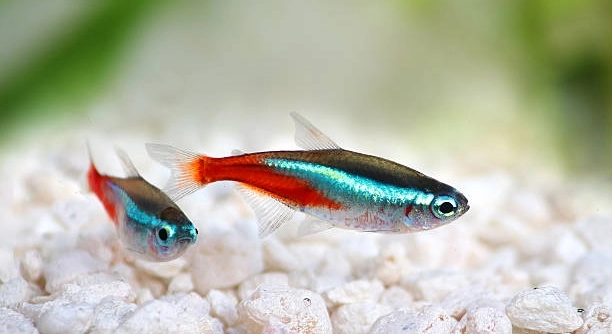
Many people enjoy keeping tetras as pets because they are colorful and peaceful fish. Building a bond with your tetra can make your aquarium experience more rewarding. Learning simple ways to connect helps both you and your fish feel comfortable together.
Bonding with your tetra involves consistent care, gentle interaction, and creating a suitable environment. Regular feeding, watching their behavior, and providing hiding spots promote trust and comfort, enhancing the connection between owner and fish over time.
These methods create a stronger relationship and make caring for your tetra more enjoyable and fulfilling.
Spend Time Observing Your Tetra
Watching your tetra regularly helps you understand its behavior and personality. When you spend quiet moments by the tank, you start to notice how it reacts to your presence. Tetras are shy fish, but with time, they can recognize movement and feeding routines. This observation also lets you spot any signs of illness or stress early. Creating a calm environment near the aquarium encourages your tetra to come closer without feeling threatened. Over time, your fish may swim near the glass when you approach, which is a good sign of trust. Simply sitting near the tank every day builds familiarity, which is the first step in bonding. Your presence becomes a natural part of their environment rather than something to avoid.
Patience is key when observing your tetra. Avoid sudden movements and loud noises to keep the fish comfortable.
Regular observation helps build a quiet connection. This simple act also improves your care by making you more aware of your tetra’s needs and habits.
Offer the Right Food
Feeding your tetra the correct diet is very important for bonding. Tetras enjoy small, frequent meals of high-quality flakes, pellets, or live foods like brine shrimp and daphnia. Providing a balanced diet keeps them healthy and active, which helps them respond better to your presence. When you hand-feed or gently sprinkle food near the tank glass, your tetra may begin associating you with positive experiences. This builds trust over time. Avoid overfeeding, as this can cause water problems and harm your fish. Feeding at the same times every day also creates a routine that your tetra will recognize and respond to. Using a feeding tool or carefully dropping food into the water encourages interaction without causing stress.
Feeding your tetra well supports both health and trust.
When feeding, small amounts of food given consistently work best. Live or frozen treats can also stimulate natural hunting behavior, keeping your tetra engaged. Avoid sudden changes in diet to prevent stress or digestive issues. Over time, your tetra will learn to expect food from you, making mealtime a bonding moment. This routine helps your fish feel secure and cared for. Watching your tetra eagerly eat is a simple way to strengthen your connection while ensuring its well-being.
Create a Comfortable Environment
A well-maintained tank makes your tetra feel safe and secure. Proper water temperature, clean water, and hiding spots are essential for their comfort. Plants, decorations, and caves offer shelter and reduce stress. When your tetra feels safe, it is more likely to interact and show natural behaviors. Regular water changes and testing keep the environment stable, which improves your fish’s health. A comfortable habitat lets your tetra focus on daily activities rather than hiding from discomfort or illness. Your careful attention to the tank’s conditions builds trust indirectly, showing that you provide a safe home.
Comfort affects your tetra’s willingness to interact.
Taking time to keep the tank clean and stable supports a strong bond. Your tetra will be more active and responsive in a well-cared-for environment.
Gently Interact Through the Glass
Touching the glass softly helps your tetra get used to your presence. Avoid tapping or sudden knocks, as these can scare the fish. Gentle movement near the tank lets your tetra recognize you without stress. Over time, it may swim closer when you are near.
Consistent gentle interaction builds familiarity and reduces fear. Moving your hand slowly along the glass while watching your tetra helps it become comfortable. This simple action can encourage your fish to swim near the glass, signaling trust. Avoid making quick or loud gestures that might cause the tetra to dart away. This calm presence fosters a quiet bond without direct contact, respecting your fish’s natural cautiousness.
Using a soft, steady approach near the tank glass also makes feeding time more interactive. Your tetra will begin to link your movements with food and safety, encouraging it to respond positively when you are around.
Use Lighting to Your Advantage
Proper lighting helps your tetra feel secure and visible. Bright or sudden light changes can cause stress and hiding behavior. A gentle, consistent light schedule mimics natural day and night cycles, which supports healthy activity levels.
Setting up the right lighting creates a calming atmosphere for your tetra. Soft lighting helps the fish feel less exposed while encouraging it to explore the tank. Avoid harsh, direct light that might frighten your tetra or cause it to seek shelter constantly. A dimmer environment during feeding or interaction times can make your fish more relaxed and willing to approach. Lighting also affects their colors, making your tetra look brighter and more vibrant.
Adjusting light gradually in the morning and evening supports natural rhythms. This steady routine builds a sense of stability, which helps your tetra feel safe around you and its habitat. Consistent lighting is an easy way to encourage more interaction.
Talk Near the Tank
Talking softly near the tank helps your tetra get used to your voice and presence. Your calm tone creates a peaceful environment that encourages the fish to relax.
Consistent talking can make your tetra associate your voice with safety and comfort. This builds trust over time, even if the fish doesn’t respond visibly at first.
Keep the Tank Clean
A clean tank is vital for your tetra’s health and comfort. Regular water changes and removing waste prevent harmful toxins from building up. A healthy environment reduces stress, allowing your tetra to be more active and interactive.
Maintaining clear water and a clean tank shows your care and helps your tetra thrive. It also makes it easier to observe your fish’s behavior and bond naturally.
Use Floating Plants
Floating plants offer shade and hiding spots, making your tetra feel safer. These plants also reduce strong currents and create a more natural environment for your fish.
FAQ
How long does it take to bond with a tetra?
Bonding with a tetra usually takes a few weeks of regular care and interaction. These fish are naturally shy, so building trust requires patience. Consistent feeding routines, gentle movements near the tank, and quiet observation help the tetra become familiar with you. Over time, your fish may swim closer when you approach and respond to feeding cues. Each tetra has its own personality, so some may bond faster while others take more time. The key is to be calm and steady with your actions, avoiding sudden changes that could cause stress.
Can I touch my tetra?
It’s best not to try to touch your tetra directly. Tetras are delicate and easily stressed by physical contact. Instead, gentle interaction through the tank glass is safer and more effective for building trust. If you need to handle your tetra for tank maintenance or health reasons, use a soft net and be very gentle. Direct touch can damage their protective slime coat, which keeps them healthy. Respecting their space shows care and helps the bond grow in a way that feels natural for the fish.
What kind of food helps with bonding?
Feeding your tetra a varied diet of high-quality flakes, pellets, and occasional live or frozen treats like brine shrimp or daphnia supports both health and bonding. Offering food by hand or near the glass helps the fish associate you with positive experiences. Small, frequent meals are better than large feedings. Avoid overfeeding to keep water quality stable. A consistent feeding schedule encourages your tetra to recognize you as a source of care, which strengthens trust over time.
Is it okay to talk to my tetra?
Yes, softly talking near the tank can be calming for your tetra. While they won’t understand words, the sound of your voice can become familiar and comforting. Consistent gentle talking helps the fish get used to your presence and may reduce stress. It’s important to keep your tone calm and quiet to avoid startling them. Talking quietly is a simple way to include your tetra in your daily routine and build a gentle connection.
How do I know if my tetra trusts me?
Signs of trust include your tetra swimming close to the glass when you approach, responding to feeding times, and showing relaxed behavior without darting away. A tetra that trusts you may explore the tank openly and occasionally swim near your hand. Consistent, calm interaction encourages these behaviors. However, because tetras are naturally cautious, trust builds slowly and might not always be obvious. Patience and steady care are the best ways to strengthen the bond.
What should I avoid to keep my tetra comfortable?
Avoid tapping on the glass, sudden movements, loud noises, and quick changes in lighting or water conditions. These can stress your tetra and cause it to hide or act nervously. Overfeeding or poor water quality also harms their health and comfort. Keep the tank stable with proper filtration, temperature, and clean water. Respecting your tetra’s cautious nature by providing a calm environment is key to maintaining comfort and encouraging interaction.
Can other fish affect bonding with my tetra?
Yes, tank mates can influence your tetra’s behavior. Aggressive or overly active fish may cause stress and prevent bonding. Peaceful, similar-sized fish are better companions and help your tetra feel secure. Avoid overcrowding the tank to reduce competition and stress. A harmonious tank environment allows your tetra to focus on daily routines and recognize your presence positively.
How often should I clean the tank to keep bonding strong?
Regular cleaning is important for your tetra’s health and comfort. Partial water changes every one to two weeks help keep the water clear and toxin-free. Remove uneaten food and debris often to prevent water quality problems. A clean tank reduces stress, making your tetra more likely to be active and responsive. Consistent maintenance shows care, which supports the bond you are building. Use gentle cleaning methods to avoid disturbing your fish too much during tank care.
Bonding with your tetra takes time, patience, and gentle care. These small fish are naturally shy and cautious, so it is important to move slowly and calmly around their tank. Simple actions like regular feeding, watching quietly, and gentle interaction through the glass help your tetra get used to you. Over weeks, your fish will begin to trust you more and respond to your presence in small ways. Building this connection is a gradual process that depends on consistent care and respect for your fish’s comfort and needs.
Creating a healthy and stable environment is just as important as interaction. Clean water, proper temperature, and plenty of hiding spots help your tetra feel safe and less stressed. When your fish is comfortable in its home, it is more likely to be active and open to interaction. Attention to tank maintenance shows that you care about your tetra’s well-being, which supports bonding indirectly. This balance of good care and gentle attention creates the best conditions for your tetra to feel secure and connected.
Remember that every tetra is unique, and some may bond faster or slower than others. It’s important to be patient and consistent without expecting too much too soon. Trust grows through repeated positive experiences, so keep feeding at regular times, observing calmly, and interacting gently. Over time, your efforts will pay off with a fish that recognizes you and seems more at ease in your presence. This quiet relationship, built slowly and respectfully, makes keeping tetras a more rewarding and enjoyable experience.

Hello,
If you enjoy the content that we create, please consider saying a "Thank You!" by leaving a tip.
Every little bit helps us continue crafting quality advice that supports the health, happiness, and well-being of pets around the world, for pets of all shapes, sizes, and species.
We really appreciate the kindness and support that you show us!