
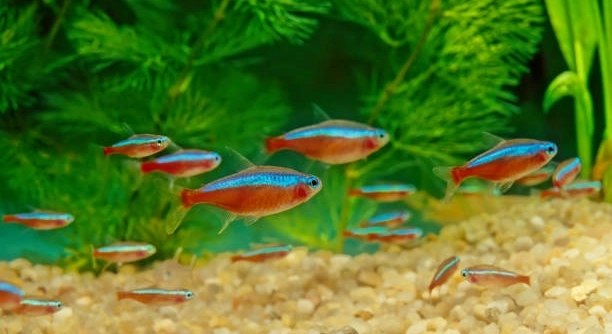
Are your tetra swimming listlessly or hiding more than usual? Keeping these small, vibrant fish happy is important for any aquarium owner. Observing their behavior closely can reveal if something is wrong in their environment.
Tetras show signs of unhappiness through changes in swimming patterns, loss of color, reduced appetite, and frequent hiding. These indicators suggest stress or poor water conditions, which can affect their overall health and longevity in captivity.
Recognizing these warning signs early can help improve your tetra’s wellbeing and create a healthier tank environment for them.
Changes in Swimming Behavior
Tetras are active swimmers that enjoy exploring their tank. When they start swimming erratically, such as darting suddenly or floating listlessly, it often signals discomfort. You might notice them swimming near the surface or hiding in corners more than usual. These behaviors can indicate stress caused by poor water quality, sudden changes in temperature, or overcrowding. Keeping an eye on their swimming patterns helps catch problems early before they worsen. Sometimes, tetras may swim alone instead of in groups, which is unusual since they are schooling fish. This isolation can mean they feel unsafe or unwell. Adjusting the tank environment, like improving filtration or adding plants for cover, can often help them return to normal behavior. If the problem persists, testing water parameters or consulting an expert is a good step to ensure their health is not at risk.
Erratic or isolated swimming is one of the first clear signs that your tetra may be unhappy or stressed.
Maintaining a stable, clean environment encourages natural swimming behavior. A well-kept tank with proper lighting and space lets tetras feel secure and thrive. Avoid sudden changes in water temperature or chemistry, as these can shock the fish. Regular water tests for ammonia, nitrite, and nitrate levels are crucial. Also, ensure your tank is not overcrowded, as this can cause aggression and stress. Adding hiding spots with plants or decorations helps tetras feel safe and reduces anxiety. Monitoring their behavior daily allows quick responses to any signs of distress. With consistent care, tetras will swim confidently, showing bright colors and lively movements that signal they are content.
Loss of Color and Appetite
When tetras lose their vibrant colors, it often points to stress or illness. Healthy tetras usually display bright hues that stand out in the tank. Dull or faded colors may indicate poor water quality, lack of proper nutrition, or disease. Along with color loss, a decreased appetite is a warning sign that something is wrong. Tetras eating less or refusing food can become weak quickly, leading to serious health problems if not addressed. Monitoring their diet and water conditions regularly supports their well-being. Sometimes, adjusting feeding routines or improving water parameters restores their natural colors and appetite. Early attention to these signs prevents long-term issues and keeps your fish lively and healthy.
Color fading and reduced eating signal your tetra may be struggling with its environment or health.
Loss of color in tetras is often linked to stressors like high ammonia or nitrate levels in the tank. Poor nutrition also plays a role, so offering a varied diet rich in proteins and vitamins helps. It is important to feed small portions multiple times a day rather than overfeeding at once. Diseases such as ich or fungal infections can cause color changes and appetite loss, requiring prompt treatment. Ensuring the tank is cycled and free of toxins keeps tetras comfortable. Regular water changes, testing, and proper filtration are essential. If you notice these signs, start by checking water quality and adjusting feeding habits. If no improvement occurs, seek advice from a vet or aquarium specialist to diagnose possible diseases. Keeping a close watch on your tetra’s appearance and eating habits protects their health and happiness.
Frequent Hiding
Tetras often hide when they feel stressed or unsafe. If they spend most of their time behind plants or decorations, it’s a sign they may be unhappy.
Frequent hiding can result from poor water conditions, sudden tank changes, or aggressive tank mates. When tetras feel threatened, they look for places to feel secure. A lack of hiding spots can increase stress, so adding plants or small caves is helpful. Also, check if water quality is stable and if the tank environment matches their needs. Overcrowding or bullying from other fish can force tetras to hide more often, which can affect their health over time.
Creating a calm, stable environment with enough cover helps tetras feel safe. Monitor tank mates closely and ensure compatibility to reduce stress and hiding behavior. Addressing these factors can bring your tetras out of hiding and back to active swimming.
Gasping at the Surface
Tetras gasping at the water’s surface often need more oxygen. This behavior usually means poor water circulation or low oxygen levels in the tank.
Check the filter and aeration system to ensure they are working properly. Stagnant water or a heavily stocked tank can reduce oxygen availability. Increasing water movement with an air stone or stronger filter helps oxygenate the tank. Regular water changes also improve oxygen levels by removing waste and toxins. Temperature affects oxygen too; warmer water holds less oxygen, so keeping the tank at the right temperature is important for your tetras’ comfort and health.
Clamped Fins
Clamped fins happen when tetras hold their fins close to their body instead of spreading them out. This is a clear sign of discomfort or illness.
This behavior can be caused by poor water quality, stress, or disease. It reduces their ability to swim properly and affects their overall health.
Rapid Gill Movement
Rapid gill movement in tetras usually indicates they are struggling to breathe. This can be due to low oxygen levels, poor water quality, or parasites affecting their gills. Watching for this sign can help catch problems early and improve tank conditions before the fish become seriously ill.
Loss of Appetite
Tetras that stop eating or show little interest in food may be experiencing stress or illness. Poor water conditions, improper diet, or infection often cause appetite loss. Monitoring feeding habits regularly helps identify problems early and keeps your fish healthy.
How can I tell if my tetra is stressed or just resting?
Tetras resting calmly usually stay still but keep their fins spread and their body relaxed. When stressed, they might hide more, swim erratically, or keep their fins clamped tightly against their bodies. Stress often causes changes in color or appetite as well. Watching for these behavior changes over time helps you tell the difference between normal rest and stress.
What causes stress in tetra fish?
Stress in tetras can come from poor water quality, such as high ammonia or nitrate levels. Sudden changes in temperature or pH can also disturb them. Overcrowding and aggressive tank mates cause anxiety. Lack of hiding spots and insufficient oxygen levels add to stress. It is important to maintain a clean, stable environment with compatible fish to prevent stress.
Why are my tetras hiding so much?
Frequent hiding is usually a sign that tetras feel unsafe. This can happen if the tank is too noisy, overcrowded, or if other fish are aggressive. Poor water quality or sudden changes also make them seek cover. Adding plants and decorations provides shelter and reduces anxiety.
How often should I test my aquarium water?
Testing water at least once a week is recommended, especially when caring for sensitive fish like tetras. Check ammonia, nitrite, nitrate, pH, and temperature regularly. Early detection of imbalances helps prevent health problems and stress.
What type of diet is best for tetras?
Tetras thrive on a varied diet including high-quality flake or pellet food, supplemented with frozen or live foods like brine shrimp and daphnia. A balanced diet supports their color, energy, and immune system. Avoid overfeeding by giving small amounts twice daily.
Can poor water quality cause diseases in tetras?
Yes, poor water quality weakens tetras’ immune systems, making them vulnerable to diseases like ich, fin rot, and fungal infections. Regular water changes and filtration keep conditions safe and reduce the risk of illness.
What is the best tank setup for tetras?
A tank of at least 10 gallons with plenty of plants, hiding spots, and gentle filtration suits tetras well. Stable water parameters with temperatures between 72–80°F and a pH of 6.5 to 7.5 create an ideal environment. Avoid sharp decorations that can injure them.
Why do my tetras gasp at the surface?
Gasping at the surface usually means low oxygen levels in the water. This can be caused by poor circulation, overstocking, or high temperatures. Improving aeration with an air stone or stronger filter and keeping the tank clean helps oxygenate the water.
How can I reduce stress in my tetra tank?
Keep water parameters stable by testing regularly and performing scheduled water changes. Avoid overcrowding and select peaceful tank mates. Add plants and decorations for hiding spots. Maintain proper temperature and provide a consistent feeding routine.
When should I seek professional help for my tetras?
If your tetras show persistent signs of stress such as clamped fins, loss of appetite, or unusual swimming despite improved tank conditions, consulting an aquarium specialist or veterinarian is wise. Early diagnosis and treatment prevent worsening health problems.
Taking care of tetras means paying attention to their behavior and environment. These small fish may seem simple, but they can show many signs when they are unhappy or stressed. Watching how they swim, eat, and interact with their tank helps you understand their needs better. If you notice any changes like hiding a lot, losing color, or gasping at the surface, it is important to act quickly. Early action can prevent bigger health problems and help your tetras feel safe and comfortable again.
Maintaining good water quality is one of the most important parts of keeping tetras happy. Regularly testing the water and doing partial water changes keeps the tank clean and safe. Tetras need stable temperature and pH levels, so avoid sudden changes that can cause stress. Providing a balanced diet with quality food also supports their health and helps keep their colors bright. Along with a peaceful environment and proper tank mates, these efforts create a space where tetras can thrive.
Remember, each tetra is a living creature with needs that require attention. Even small changes in their behavior can tell you something is wrong. Being patient and consistent with care is the best way to ensure your fish live long, healthy lives. Taking time to learn about their habits and environment makes a big difference. In the end, happy tetras make your aquarium a beautiful and lively part of your home.

Hello,
If you enjoy the content that we create, please consider saying a "Thank You!" by leaving a tip.
Every little bit helps us continue crafting quality advice that supports the health, happiness, and well-being of pets around the world, for pets of all shapes, sizes, and species.
We really appreciate the kindness and support that you show us!