
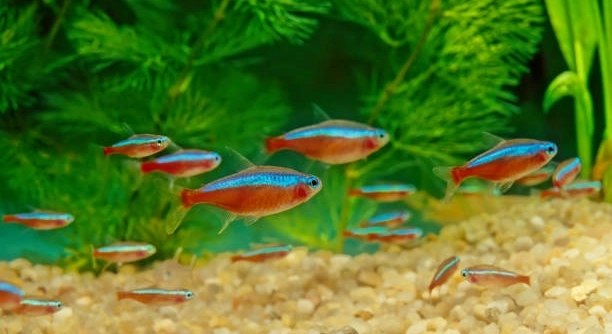
Tetras are small, colorful fish that thrive in well-planned aquariums. Providing them with natural hiding spots is important for their comfort and security. These spots help reduce stress and encourage healthy behavior in your fish.
The best natural hiding places for tetra include dense plants, driftwood, rocks with crevices, and floating vegetation. These elements mimic their natural environment, offering shelter and protection from predators while supporting their social and exploratory instincts.
Choosing the right hiding spots will improve your tetra’s well-being and create a more balanced aquarium environment for them to flourish.
Dense Plants as Natural Hiding Spots
Dense plants like Java moss, Anubias, and Hornwort provide excellent natural hiding places for tetra. These plants create thick foliage where tetras can retreat when they feel threatened or need rest. The leaves offer cover from bright lights and potential tank mates that might stress them. Additionally, plants improve water quality by absorbing nitrates and producing oxygen. This helps maintain a healthier environment for your fish. Tetras also enjoy grazing on tiny organisms living on the plants’ surfaces, adding to their nutrition. When selecting plants, consider how fast they grow and how much maintenance they need. Some plants spread quickly and may require regular trimming, while others grow slowly but provide long-term cover. Adding a variety of plants in different shapes and heights creates more hiding opportunities and makes your aquarium look natural. Planting them near the substrate and around tank decorations offers multiple layers of shelter for your tetra.
A planted tank mimics a tetra’s natural habitat, improving their comfort and reducing stress effectively. Regular care keeps plants healthy and beneficial.
A well-planted aquarium benefits tetras beyond just hiding. The plants reduce aggressive behaviors by breaking lines of sight and lowering competition for space. Healthy plants also encourage breeding by providing safe places for fry to hide. Incorporating live plants requires attention to lighting, water parameters, and sometimes fertilizer. However, the effort pays off by enhancing both the fish’s well-being and the aquarium’s appearance. Over time, you will notice your tetras become more active and confident, swimming in and out of the plants. This creates a peaceful, dynamic environment that keeps your aquarium lively and balanced.
Driftwood and Rock Crevices for Shelter
Driftwood and rocks with natural crevices offer secure hiding spots that appeal to tetra instincts. These structures provide solid refuge areas that can be placed strategically in the tank.
Driftwood and rocks also support beneficial bacteria growth, which helps maintain water quality. Their rough surfaces give tetras places to explore and rest. Driftwood releases tannins, slightly tinting the water and mimicking blackwater conditions that many tetra species prefer. This creates a calm, comfortable environment. When choosing driftwood, ensure it is aquarium-safe and properly soaked to avoid water contamination. Rocks should be smooth or naturally worn to prevent injuries. Arranging rocks to form caves or narrow gaps gives tetras several retreat options. These hiding places help reduce stress and encourage natural behaviors like shoaling and territorial exploration. By combining driftwood and rocks, your aquarium gains both aesthetic appeal and practical shelter for your fish.
Floating Vegetation Benefits
Floating plants like duckweed and water lettuce create shaded areas and soft hiding spots near the surface. They reduce strong light and provide cover from above, which tetras find calming.
Floating plants help improve water quality by absorbing excess nutrients. They also provide shelter for small tetra fry, protecting them from larger fish. These plants reduce algae growth by limiting light penetration. Duckweed and water lettuce are easy to maintain, requiring minimal care while spreading quickly. However, they may need thinning to prevent overcrowding. Floating vegetation adds a natural touch and encourages peaceful behavior. Tetras often swim beneath these plants, feeling secure while exploring the aquarium. Adding floating plants balances your tank’s environment, combining shade, shelter, and water quality benefits.
Including floating plants supports a healthier aquarium ecosystem. Their presence creates calm zones where tetras can hide or rest, which helps lower stress levels naturally.
Using Caves and Artificial Hides
Artificial caves and decorations designed as hides provide secure spots that mimic natural shelters. These are helpful when live plants or driftwood are limited.
Choosing smooth, non-toxic materials is important to avoid harming tetras. Caves made from resin or ceramic are popular options and easy to clean. Positioning caves near plants or rocks creates diverse hiding areas within the tank. This encourages natural behavior such as exploring and resting in sheltered spaces. Artificial hides add structure to the aquarium and can reduce aggression by giving each tetra a personal retreat. They also make the tank visually interesting. Regular maintenance of these hides prevents algae buildup and keeps the tank healthy. Incorporating a variety of hides improves the overall habitat and helps tetras feel safe.
Leaf Litter as Hiding Spots
Leaf litter creates a natural floor layer in the aquarium, offering tetras subtle places to hide and forage. It mimics their natural environment, providing shelter and food sources.
Leaves like Indian almond or oak slowly decompose, releasing beneficial tannins that lower pH and improve water quality. This natural setup helps reduce stress and supports healthier fish.
Floating Roots for Shelter
Floating roots from plants such as Amazon sword or mangrove add soft, complex hiding spaces. These roots hang down, giving tetras places to dart through and feel secure.
Tall Plants for Vertical Cover
Tall plants provide vertical cover that tetras use to hide from predators and bright lights. They create shade and safe zones along the aquarium’s height.
Small Crevices and Gaps
Small crevices and gaps between decorations or plants are perfect hiding spots for tetras. These tight spaces give them security and comfort in the tank.
What types of plants are best for tetra hiding spots?
Plants like Java moss, Anubias, Hornwort, and Amazon sword are excellent for tetra hiding. They create dense foliage and provide multiple layers of cover. These plants grow well in typical aquarium conditions and require minimal maintenance. Their shapes and sizes offer tetras safe places to retreat and rest. Live plants also improve water quality by absorbing excess nutrients and producing oxygen, which benefits the fish. Choosing a mix of slow and fast-growing plants ensures consistent cover without overwhelming the tank. Floating plants like duckweed add shade near the surface, offering additional hiding options. Overall, these plants mimic natural habitats and reduce stress for tetras.
How does driftwood help tetra feel secure?
Driftwood provides solid shelter with natural crevices and caves, closely resembling the tetra’s native environment. It offers shaded areas where tetras can hide from light or other fish. The wood also releases tannins that soften and slightly acidify the water, which many tetra species prefer. These tannins create blackwater conditions similar to their natural habitats, making the tank feel more familiar and comfortable. Driftwood surfaces encourage beneficial bacteria growth, improving water quality. Properly soaked and prepared driftwood is safe and adds a natural look to the aquarium. It also helps break sightlines, reducing aggression and making fish feel less exposed.
Can artificial decorations replace natural hiding places?
Artificial caves and hides can supplement natural shelters, especially when live plants or driftwood are unavailable or limited. They offer secure spots for tetras to retreat and rest. However, natural elements usually provide additional benefits like water quality improvement and biological enrichment. Artificial decorations should be made from smooth, non-toxic materials to avoid injuring fish. Positioning them near plants or rocks creates varied hiding spots. They also reduce aggression by giving each fish a personal refuge. While not a full replacement, artificial hides are practical additions that enhance tank structure and make fish feel safer.
Why is leaf litter beneficial in tetra tanks?
Leaf litter adds a natural floor covering that tetras use for hiding and foraging. Leaves slowly decompose, releasing tannins that gently acidify the water and inhibit harmful bacteria. This process mimics blackwater conditions typical of many tetra habitats. Leaf litter provides a source of microfauna and biofilm for fish to graze on, improving their diet. It also softens the substrate and offers subtle cover, reducing stress and encouraging natural behavior. Using Indian almond leaves or oak leaves is common due to their safe decomposition and beneficial effects. Regular replacement of leaf litter maintains water quality.
How important is shading in a tetra aquarium?
Shading is crucial because tetras prefer subdued lighting, similar to their natural environments under dense vegetation or in shaded waters. Floating plants and tall plants create shaded areas that reduce light intensity. This helps tetras feel secure and reduces stress. Excessive bright light can cause hiding behavior or aggression, negatively impacting their health. Shaded zones encourage exploration and peaceful interaction. Using floating vegetation like duckweed or water lettuce near the surface and tall plants at the back or sides creates layered shading. Adjusting light duration and intensity also supports a balanced environment.
What role do small crevices play in tetra hiding?
Small crevices between rocks, driftwood, or decorations provide essential secure spaces for tetras to retreat. These tight spots make fish feel safe from predators or aggressive tank mates. Crevices encourage natural behaviors like shoaling and territoriality while lowering stress levels. They also serve as resting places where tetras can conserve energy. Proper placement of rocks and driftwood can create these crevices without overcrowding the tank. This structural complexity promotes a more natural and enriching environment for tetras, helping maintain their health and well-being.
How often should hiding places be maintained or cleaned?
Hiding places need regular inspection and cleaning to prevent algae buildup and detritus accumulation. Live plants require trimming to avoid overgrowth that may reduce swimming space. Driftwood and rocks should be checked for unwanted debris. Artificial hides need gentle cleaning with aquarium-safe tools, avoiding harsh chemicals. Leaf litter should be replaced periodically as it decomposes. Proper maintenance ensures hiding spots remain safe and attractive for tetras. It also helps maintain overall water quality and tank hygiene. Consistent care balances a natural look with a healthy habitat.
Can hiding spots influence tetra behavior and health?
Yes, well-planned hiding spots reduce stress by giving tetras places to retreat from threats or bright light. Lower stress levels improve immune response and reduce the risk of disease. Hiding places encourage natural behaviors such as exploration, shoaling, and resting. This leads to more active, confident fish. Sheltered fish are less likely to show aggression, which helps maintain social harmony in the tank. Proper cover also supports breeding by offering secure areas for fry. Overall, hiding spots are essential for both mental and physical well-being in tetra care.
Providing natural hiding places for tetras is an important part of creating a healthy and balanced aquarium. These fish feel more secure when they have spaces to retreat to, which helps reduce their stress levels. Stress can lead to health problems and changes in behavior, so offering a variety of hiding spots supports their overall well-being. Natural elements such as plants, driftwood, rocks, and leaf litter not only give shelter but also improve water quality and create a more natural environment that tetras are used to. Taking time to arrange these hiding places carefully will make a noticeable difference in how comfortable and active your fish appear.
It is also important to maintain the hiding spots regularly. Live plants need trimming, leaf litter should be refreshed, and decorations require gentle cleaning. Keeping these areas clean prevents algae buildup and water contamination, which could otherwise harm your fish. While artificial caves and hides can add shelter, combining them with natural materials offers the best environment. Each hiding spot serves a purpose by breaking lines of sight, reducing aggression, and giving tetras places to explore or rest. Paying attention to these details helps your aquarium look more attractive and keeps your tetras healthier for the long term.
When setting up hiding places, think about variety and accessibility. Different types of shelters, placed at various levels of the tank, create multiple options for tetras to feel safe. Floating plants provide shade near the surface, while dense plants and driftwood offer cover at mid and bottom levels. Rocks with small gaps add extra protection. By designing your aquarium with these elements in mind, you provide a habitat that closely resembles their natural one. This leads to happier fish that show natural behavior and grow strong. Overall, thoughtful inclusion of natural hiding spots is key to a successful tetra aquarium.

Hello,
If you enjoy the content that we create, please consider saying a "Thank You!" by leaving a tip.
Every little bit helps us continue crafting quality advice that supports the health, happiness, and well-being of pets around the world, for pets of all shapes, sizes, and species.
We really appreciate the kindness and support that you show us!