
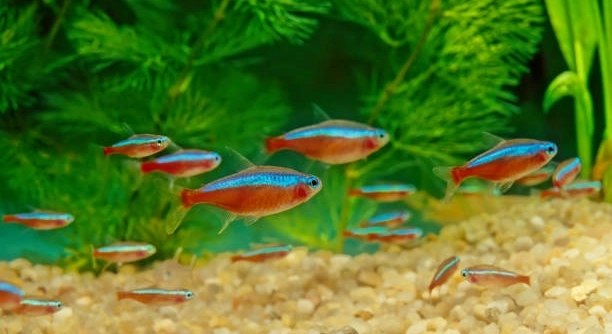
Are your tetras darting around the tank more than usual or hiding in corners when you walk by? Sudden, erratic movements can leave you wondering what might be going wrong in your aquarium setup.
The most common reason tetras appear startled is due to environmental stressors such as sudden movements, poor lighting, or inconsistent water conditions. These sensitive fish react quickly to changes, which can cause constant skittish behavior and anxiety.
Understanding the root causes of their stress can help you create a more stable and peaceful home for your tetras.
Common Reasons Tetras Seem Startled
Tetras are small, peaceful fish, but they can become easily stressed. One of the main causes is sudden movement around the tank. If your tank is placed in a high-traffic area, your fish may constantly react to people walking by. Bright or flashing lights can also disturb them, especially if the tank lighting isn’t consistent. Loud noises, tapping on the glass, or sudden changes in the environment—like turning on a light quickly—can make them feel unsafe. Inconsistent water conditions, such as fluctuating temperatures or pH levels, are another source of stress. When these fish don’t feel secure, they often swim erratically or try to hide. Adding too many fish at once or aggressive tank mates can also lead to anxiety. Since tetras thrive in calm, stable environments, it’s important to create a peaceful space where they can feel safe and swim freely without fear.
Look at your tank setup and daily routine to spot possible stress triggers.
Sometimes it’s not just one thing causing the behavior. You may need to observe their habits for a few days and make small changes. Start by checking your water quality, dimming harsh lighting, and limiting activity around the tank. Gradual changes help your tetras adjust without adding more stress.
What You Can Do About It
A calm environment helps fish stay healthy and feel secure.
Make sure your tank is in a quiet area, away from doors or high-traffic spots. Try using a gentle light schedule with a timer to avoid sudden brightness. Keeping the lighting consistent helps tetras feel more at ease. Test your water regularly and make sure the temperature stays steady, ideally between 72°F and 78°F. If the pH or ammonia levels are off, your fish will show signs of stress. Avoid tapping the glass or making quick movements near the tank. Adding tall plants or decorations gives your tetras places to hide, which helps them feel safer. If you’re introducing new fish, do it slowly and pick peaceful species. Also, avoid overcrowding, as tight spaces can increase anxiety. By observing your tetras and responding to their behavior, you can make small changes that lead to a more peaceful tank. When tetras feel calm, they swim more naturally and display their best colors.
Other Stress Factors You Might Overlook
Small things like sudden shadows or noisy vibrations from nearby electronics can stress your tetras. Even changes in room temperature or irregular feeding times can throw them off. These details may not seem major but can affect their comfort.
If you recently changed your tank décor, added a filter, or moved the tank to a different spot, your tetras might still be adjusting. Fish notice even slight changes in their surroundings. Strong water flow can also be overwhelming for small tetras. Some filters create a current that’s too strong, causing them to swim harder than they should. If you notice your tetras hovering in corners or near the bottom, it could be a sign the current is too fast. Adding some plants or decorations to break the flow can help. Giving them more control over their environment often results in calmer behavior and more natural swimming patterns.
Tetras also need a consistent daily routine. Random light schedules, inconsistent feeding, or frequent tank cleanings can stress them out. It helps to keep a steady routine each day—feed them at the same times, turn lights on and off consistently, and avoid doing large water changes too often. Predictability helps them feel more secure. Stress fades once they know what to expect.
How Tank Mates Affect Behavior
Aggressive or overly active tank mates can make your tetras feel unsafe. Even if they aren’t directly attacking, constant movement or chasing can cause fear. This often leads to hiding, darting, or refusing to eat.
When choosing tank mates, stick to peaceful, slow-moving species that won’t compete for space or food. Avoid larger fish or ones known to nip at fins, like tiger barbs or some types of gouramis. If you’re unsure, observe how your tetras react after adding new fish. If they start acting jumpy or hide more than usual, you may need to rethink the group. Sometimes, even fish of the same species can become territorial if the tank is too small. Adding plants and hiding spots creates boundaries, helping reduce tension between fish. Watching how they interact daily helps you notice issues before they get worse. A calm tank leads to more relaxed and healthier tetras.
Lighting and Reflections
Bright lights can make tetras feel exposed. Sudden lighting changes, like turning on a room light in the dark, can startle them. Using a dimmer or tank light with a gradual timer can help prevent these reactions.
Reflections on the glass may confuse tetras. They might think another fish is nearby and become defensive or nervous. This often happens in tanks with too much light or clear backgrounds. Adding a background or adjusting the room’s lighting can reduce reflections and calm them down.
Importance of Water Quality
Poor water quality is one of the most common causes of stress in tetras. High ammonia or nitrite levels, incorrect pH, or low oxygen can affect how they behave. Regular testing with a water test kit helps you stay ahead of problems. A sudden change in water conditions, especially during a water change, can also upset them. Make sure to match the temperature and parameters of new water before adding it in. Keep your tank clean, but avoid over-cleaning or removing too much beneficial bacteria. A stable and clean environment gives your tetras a better chance to feel calm, stay healthy, and behave normally.
Why Hiding Spots Matter
Tetras feel safer when they have places to hide. Plants, caves, and decorations give them shelter and help them relax. A tank with enough cover helps reduce fear and sudden darting.
FAQ
Why do my tetras jump or dart suddenly?
Tetras often jump or dart because they feel threatened or stressed. Sudden movements outside the tank, loud noises, or changes in lighting can trigger this reaction. They are naturally skittish fish, so even minor disturbances make them react quickly. Poor water quality or strong currents can also cause restless swimming.
How can I tell if my tetras are stressed?
Signs of stress include constant hiding, erratic swimming, loss of appetite, and faded colors. They might also cling near the surface or corners, or breathe rapidly. If these behaviors last for more than a day or two, it’s likely they are uncomfortable or stressed by something in their environment.
Is tank size important for reducing stress?
Yes, a tank that is too small can cause stress. Tetras are schooling fish and feel safer in groups of at least six. Crowded spaces increase competition and anxiety. A larger tank with enough swimming space and hiding spots helps them stay calm and healthy.
Can tank mates cause my tetras to act startled?
Aggressive or overly active tank mates often scare tetras, causing them to hide or dart around. Choosing peaceful, compatible fish reduces tension in the tank. It’s important to avoid fin-nipping species or large, dominant fish in a tetra community.
How often should I clean my tank to avoid stressing my tetras?
Regular maintenance is essential but avoid cleaning too often or changing too much water at once. Weekly partial water changes of about 20-30% are best. Over-cleaning can remove beneficial bacteria, upsetting the tank’s balance and stressing your fish.
Do tetras get scared by their reflections?
Yes, reflections can confuse and scare tetras. They may mistake their reflection for another fish and feel threatened. This is common in tanks with bright lighting or no background. Adding a background or adjusting lighting reduces reflections and helps tetras feel safer.
What is the ideal water temperature for tetras?
Tetras prefer water between 72°F and 78°F (22°C to 26°C). Sudden temperature changes or water that is too cold or too warm can stress them. Using a heater and thermometer helps maintain a stable temperature, which is crucial for their comfort and health.
Can sudden noises stress my tetras?
Yes, loud noises like banging or loud talking near the tank can startle your fish. Tetras have sensitive senses and react quickly to sound and vibrations. Keeping the tank in a quiet, low-traffic area reduces stress caused by noise.
Should I feed my tetras multiple times a day?
Feeding small amounts once or twice a day is usually enough. Overfeeding can pollute the water and stress the fish. It also leads to uneaten food, which can cause poor water quality. A balanced feeding schedule supports their health and reduces stress.
What decorations help tetras feel safe?
Live or artificial plants, caves, and smooth rocks provide hiding spots that make tetras feel secure. Plants help break up the line of sight and reduce stress by giving places to retreat. Avoid sharp decorations that might injure your fish.
Why do tetras hide so much?
Hiding is a natural behavior when tetras feel threatened or stressed. It helps them avoid predators and gives them a break from bright light or aggressive tank mates. Providing plenty of cover and minimizing stress factors helps reduce excessive hiding.
How do I reduce water flow if my filter is too strong?
If the current is too strong, add plants or decorations to break the flow. You can also adjust or reposition the filter outlet to reduce water movement. Calm water helps tetras swim comfortably without fighting strong currents.
Can sudden changes in water parameters cause stress?
Yes, sudden shifts in pH, ammonia, nitrites, or temperature shock tetras and cause stress. Always test water regularly and make changes gradually. Using conditioners and performing slow water changes keeps parameters stable and safe.
Is it normal for tetras to be shy around new people?
Tetras are naturally cautious and may hide or dart when unfamiliar people approach. With time and calm presence, they usually become more comfortable. Avoid tapping or making sudden movements near the tank to help build their trust.
Do tetras need a night-time dark period?
Yes, tetras need a consistent day-night cycle. Darkness helps them rest and reduces stress. Leaving lights on all night disrupts their natural rhythm. Using a timer for the tank light ensures they get regular periods of darkness.
When tetras act startled all the time, it is usually a sign that something in their environment is making them feel unsafe or stressed. These small fish are sensitive to many things around them, such as sudden movements, changes in lighting, water quality, or noisy surroundings. Paying close attention to these factors can help you understand why your tetras behave this way. Making small adjustments, like keeping the tank in a quiet spot or adding plants for hiding, can greatly improve their comfort. A calm, stable environment allows tetras to swim naturally and show their bright colors.
Water quality is one of the most important parts of keeping tetras healthy and relaxed. Regular testing and careful water changes help prevent harmful chemicals or temperature swings that can upset your fish. It’s best to avoid making sudden or big changes in the tank, as this can increase their stress levels. Maintaining the right temperature, pH, and cleanliness supports their well-being and reduces startled or nervous behavior. Watching your tetras daily will help you spot any signs of discomfort early on, so you can act quickly.
Finally, choosing the right tank mates and keeping a consistent routine also plays a big role in your tetras’ behavior. Aggressive or fast-moving fish may scare them, while irregular feeding or lighting can add to their stress. By providing peaceful companions and keeping feeding and lighting times steady, you help your tetras feel safe and secure. Remember, tetras thrive best when their environment is calm and predictable. Taking the time to create this kind of home will reward you with happy, healthy fish that swim with confidence and ease.

Hello,
If you enjoy the content that we create, please consider saying a "Thank You!" by leaving a tip.
Every little bit helps us continue crafting quality advice that supports the health, happiness, and well-being of pets around the world, for pets of all shapes, sizes, and species.
We really appreciate the kindness and support that you show us!