
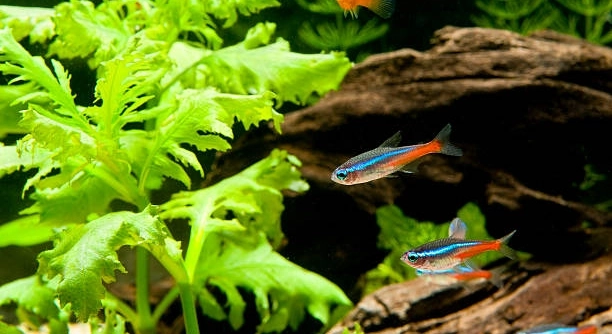
Tetras are popular aquarium fish known for their lively colors and social behavior. Many owners enjoy watching these fish swim together in groups. Encouraging them to swim as a school helps create a more natural and peaceful environment in the tank.
To encourage tetras to swim together, it is important to maintain appropriate water conditions, provide enough space, and offer hiding spots. Consistent feeding and minimizing stress also promote schooling behavior, ensuring tetras feel safe and comfortable in their surroundings.
Learning these simple methods can improve your aquarium’s harmony and the well-being of your fish. The following tips will guide you toward creating the ideal setting for your tetras to swim as a group.
Provide a Comfortable Environment
Creating a comfortable environment is key to encouraging tetras to swim together. Start by keeping the tank clean with regular water changes and monitoring the temperature between 72°F and 78°F. Tetras prefer slightly acidic to neutral water with a pH around 6.5 to 7.0. Adding plants and decorations gives them places to hide and feel secure. When they feel safe, tetras are more likely to form tight schools. Avoid sudden changes in light or loud noises near the aquarium, as these can stress the fish and cause them to scatter. Maintaining stable water conditions and a peaceful setting will help your tetras relax and swim naturally together.
The right environment reduces stress and promotes healthy social behavior. This makes the fish more active and willing to swim as a group.
A comfortable tank also supports their overall health. Healthy fish show brighter colors and better movement. If the environment is unstable, tetras may hide or become aggressive. Small details like gentle filtration and soft lighting contribute to a calm atmosphere. When your aquarium mimics their natural habitat, your tetras will naturally swim close to one another, creating a lively, synchronized group.
Maintain Proper Group Size
Tetras are schooling fish and need enough companions to feel secure. A group of at least six tetras helps create a natural social structure. Smaller groups may cause stress and reduce schooling behavior. When there are enough fish, they instinctively swim together for safety.
Having a proper group size makes the fish feel more confident and less vulnerable. This encourages them to move as a unified school rather than staying apart or hiding.
It’s important to choose tetras of similar size and species when possible. Mixing very different types or sizes may disrupt schooling. When tetras are comfortable with their companions, they spend more time swimming in harmony. A well-sized group also spreads out the fish’s attention, reducing aggression or competition for space. When you maintain the right group size, you’ll see your tetras swim smoothly in sync, which is one of the most enjoyable sights in any aquarium.
Feed Consistently and Properly
Regular feeding helps tetras feel secure and encourages natural behavior. Feeding small amounts two to three times a day prevents uneaten food from polluting the tank. Balanced nutrition keeps them healthy and active.
Overfeeding can harm water quality and stress tetras, so controlling portion size is important. Offering a varied diet with flakes, pellets, and occasional live or frozen foods provides essential nutrients. Healthy tetras swim actively and tend to group together. Feeding at the same times daily creates a routine that reduces anxiety. When fish know when and where food will come, they focus less on hiding and more on swimming in schools. Using slow-sinking food also encourages fish to swim through the tank rather than staying near the surface or bottom.
Consistent feeding routines promote social behavior among tetras. It creates predictability in their environment, which encourages them to move and interact together. Well-fed tetras show brighter colors and stronger activity, making schooling more visible and enjoyable.
Reduce Stress Factors
Stress reduces schooling behavior and can cause illness. Avoid sudden temperature changes, loud noises, or rough handling when maintaining the tank. A stable environment helps tetras stay calm.
Stress can arise from overcrowding or aggressive tank mates. Keeping compatible fish and providing enough space prevents conflicts. Stress weakens the immune system, making tetras more prone to disease and less likely to swim together. Monitoring water parameters regularly avoids poor conditions that cause discomfort. Calm water flow and gentle lighting also lower stress levels. When tetras feel secure and relaxed, they are more likely to form tight groups and display natural swimming patterns. Removing sources of stress is essential to support healthy, active fish that enjoy swimming in schools.
Use Plants and Decorations
Plants and decorations create hiding spots that make tetras feel safe. This security encourages them to swim together more confidently. Natural-looking environments also reduce stress and promote healthy behavior.
Providing plenty of cover helps tetras avoid feeling exposed. It makes schooling easier as they move through familiar spaces.
Keep Lighting Moderate
Bright lighting can stress tetras, causing them to scatter. Using moderate or dim lighting mimics their natural habitat and encourages calm swimming.
Soft lighting helps maintain a peaceful tank environment. Tetras feel less threatened and more likely to swim in groups.
Monitor Water Quality Regularly
Regularly testing and maintaining water quality is essential for tetra health. Clean water with stable parameters supports active schooling and reduces stress.
Avoid Overcrowding
Overcrowding causes stress and aggression, disrupting schooling behavior. Keep a balanced number of fish for the tank size.
How many tetras should I keep together to encourage schooling?
Tetras are social fish and naturally form schools. To encourage this behavior, it’s best to keep at least six tetras together. Smaller groups may feel insecure and won’t school as well. Larger groups, around 10 or more, can create more lively and natural schooling patterns. Make sure your tank size can handle the number of fish you choose, as overcrowding can cause stress and reduce schooling behavior.
Why do my tetras swim separately instead of together?
When tetras swim alone, it often means they feel unsafe or stressed. Possible reasons include poor water quality, incorrect temperature, or an unsuitable tank environment. Overcrowding or aggressive tank mates can also cause fish to isolate. Ensuring stable water conditions, proper group size, and a calm tank environment encourages tetras to swim in groups as they naturally do.
Can tank decorations affect schooling behavior?
Yes, decorations and plants provide hiding spots that make tetras feel secure. When fish feel safe, they are more likely to swim together confidently. A tank with too few hiding places or open spaces can make tetras feel vulnerable, causing them to scatter. Using live or artificial plants and decorations creates a natural habitat that supports schooling behavior.
What is the ideal water temperature for tetras to school properly?
Tetras prefer water temperatures between 72°F and 78°F (22°C–26°C). Temperatures outside this range can stress the fish, making them less likely to swim together. Maintaining stable temperature within this range supports their health and natural behavior, including schooling.
How does feeding affect tetra schooling?
Regular feeding with small, balanced portions encourages tetras to feel secure and active. Feeding at consistent times daily helps create a routine, reducing anxiety and promoting group swimming. Overfeeding or irregular feeding can cause stress and poor water quality, which disrupt schooling.
Can lighting impact tetra swimming behavior?
Bright or harsh lighting can stress tetras, causing them to hide or swim separately. Moderate or dim lighting mimics their natural environment and helps reduce stress. Soft lighting encourages calm and natural schooling behavior.
What tank size is best for encouraging tetra schooling?
A tank of at least 20 gallons is recommended for a small group of six tetras. This size allows enough space for swimming and reduces stress from overcrowding. Larger groups or multiple species will require bigger tanks to maintain proper social behavior.
How often should I test my aquarium water to keep tetras healthy?
Testing water at least once a week is ideal. Checking parameters like ammonia, nitrite, nitrate, pH, and temperature helps ensure stable conditions. Stable water quality supports healthy, active tetras that school naturally.
What are common signs of stress in tetras that affect schooling?
Signs include hiding, lethargy, loss of color, erratic swimming, or isolation from the group. Stress can come from poor water quality, aggressive tank mates, or sudden environmental changes. Addressing these issues helps tetras return to normal schooling behavior.
Can mixing different tetra species affect schooling?
Mixing similar tetra species usually works well, but very different species or sizes may disrupt schooling. Fish may not recognize each other as part of the same group and swim separately. Keeping similar species and sizes together promotes better group cohesion.
Is it necessary to have a filter for tetra schooling behavior?
Yes, a filter maintains water quality by removing waste and circulating oxygen. Clean water helps reduce stress, encouraging natural schooling. Gentle filtration is best to avoid strong currents that may tire the fish or cause them to scatter.
How does tank maintenance influence schooling?
Regular maintenance like water changes, cleaning gravel, and removing debris keeps the tank environment healthy. Poor maintenance leads to dirty water and stress, which causes tetras to stop schooling. Consistent care promotes active, social fish behavior.
Encouraging tetras to swim together creates a more natural and peaceful aquarium environment. When tetras school, they feel safer and more comfortable, which benefits their overall health. Small steps like keeping the tank clean, maintaining proper water conditions, and providing enough space make a big difference. Tetras respond well to a calm environment with stable temperatures and moderate lighting. Paying attention to these factors helps the fish stay active and swim in groups as they naturally do.
It is important to remember that tetras are social creatures that need company. Keeping at least six fish together allows them to develop a natural school. Smaller groups often result in stress and isolation, which is not good for the fish’s well-being. Along with proper group size, feeding routines and tank decorations play a role in encouraging schooling behavior. Regular, balanced feeding helps tetras feel secure, while plants and hiding spots give them comfort and reduce stress. All these details combined support healthy, happy fish that enjoy swimming together.
Maintaining a peaceful and healthy tank requires consistent effort but is rewarding. Monitoring water quality, avoiding overcrowding, and reducing stress will keep tetras active and social. When your aquarium closely mimics their natural habitat, tetras are more likely to swim in harmony. This behavior is not only beautiful to watch but also a sign of well-being. By following simple care practices and paying attention to your fish’s needs, you can enjoy the lively and synchronized movement of a tetra school for a long time.

Hello,
If you enjoy the content that we create, please consider saying a "Thank You!" by leaving a tip.
Every little bit helps us continue crafting quality advice that supports the health, happiness, and well-being of pets around the world, for pets of all shapes, sizes, and species.
We really appreciate the kindness and support that you show us!