
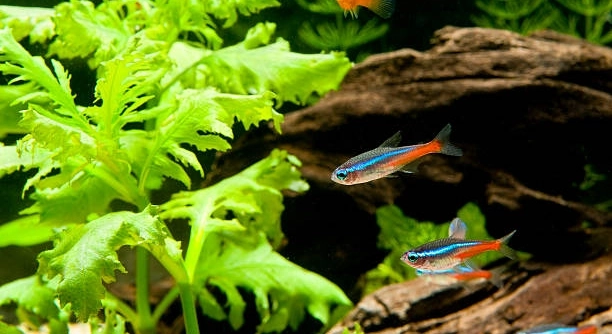
Are your tetras rubbing against rocks more often than usual, leaving you unsure if this is normal or a sign of trouble?
The most common reason tetras flash against rocks is due to skin irritation or parasites. This behavior is often a response to discomfort and can signal a problem with water quality, tank conditions, or underlying illness.
Understanding what causes this behavior will help you maintain a safe, healthy environment and ensure your tetras continue to thrive in their tank.
Poor Water Quality
When water conditions are off, your tetras may begin flashing against rocks to relieve irritation. Ammonia, nitrite, and nitrate levels can quickly rise, especially in overcrowded tanks or those with poor filtration. Chlorine or heavy metals from untreated tap water can also irritate their skin and gills. Even slight changes in pH, temperature, or hardness may stress them. These factors often go unnoticed until your fish start acting differently. Testing your water regularly can help you stay ahead of problems. If you’ve skipped a water change or overfed your fish, it’s worth checking. Clean water is the foundation of a healthy tank, and flashing is often the first sign that something isn’t quite right. A small imbalance can create big problems for your fish, even if they seemed fine just a day or two ago. It’s best not to wait until more symptoms appear.
Flashing behavior linked to poor water quality is common and can typically be resolved by restoring proper tank conditions.
Keep your aquarium clean with regular maintenance and consistent water checks. Use a reliable test kit, and avoid overfeeding or overcrowding the tank. These steps can help reduce stress and prevent future issues for your tetras.
External Parasites
Flashing is also a sign that your tetras may be dealing with external parasites. These tiny invaders attach to the skin or gills and cause serious discomfort. Common parasites include ich, flukes, or skin worms.
Parasites often enter the tank through new fish, live plants, or contaminated equipment. Once present, they multiply quickly and can affect the whole tank. You may also notice white spots, rapid breathing, or clamped fins along with the flashing behavior. Parasites irritate the fish’s skin, leading them to rub against surfaces for relief. Quarantining new additions is one of the best ways to prevent outbreaks. If parasites are already in the tank, early treatment is key. Use a targeted medication that treats the specific parasite. Raising the temperature slightly can help speed up parasite life cycles, making treatment more effective. Be sure to remove carbon from filters during treatment, as it can absorb medications. Always follow the directions carefully and complete the full course. Afterward, monitor your fish closely to make sure the issue doesn’t return.
Natural Shedding or Skin Irritation
Tetras may sometimes flash when they’re shedding a slimy outer layer, especially after mild irritation. This can be triggered by minor changes in the water, such as a sudden pH shift or a slightly raised ammonia level.
The slimy coat on a tetra’s body serves as a protective barrier. When that layer gets disturbed, the fish may try to rub it off or ease the discomfort by flashing. This is often temporary, especially if the water returns to normal. If no other symptoms appear, it’s usually not a major concern. However, frequent or aggressive flashing may suggest the irritation isn’t resolving. Regular water changes and maintaining stable conditions can help. A water conditioner that supports slime coat health may also be useful. Just be careful not to overuse additives. Keep an eye on the fish’s behavior, and check for any signs of redness or injury that could indicate more serious stress.
Stress-related skin irritation can also result from other tank issues, like strong current, bright lighting, or loud noises nearby. Tetras are sensitive and may react to even small changes in their environment. Try turning down the light intensity or lowering the filter flow rate. Moving the tank to a quieter spot might also help. Observe whether their behavior improves. If it does, continue monitoring for a few days. Environmental stress can take time to settle, but if the flashing continues or spreads to other fish, further inspection is needed. In that case, reassess the setup or consider a health treatment after checking all water parameters.
Aggression and Hierarchy Behavior
Tetras sometimes flash during social interactions, especially when they are establishing dominance or feeling challenged by another fish in the tank. This is more common in smaller schools or when new fish are introduced suddenly.
In a group, tetras usually create a social order, and flashing can be one way they communicate or push boundaries. This is usually harmless, but it can increase if the group size is too small. Tetras feel safer and more stable in larger schools—at least six is ideal. If you only have a couple, they may feel stressed and act out more often. Adding more fish of the same species often helps balance things out. Tank size also matters; a cramped space increases competition and stress. Provide plenty of room and hiding spots so fish can escape when needed. This reduces tension and gives them space to behave naturally. Watching how they interact after any changes is important to make sure things are improving.
Poor Diet and Vitamin Deficiency
A lack of proper nutrients can weaken a tetra’s immune system and lead to skin irritation. When this happens, they may flash more often as their bodies struggle to protect against mild infections or irritation.
Feeding low-quality flakes or the same food every day can lead to gaps in their diet.
Reaction to Medication or Chemicals
Some fish react negatively to certain medications, especially if dosed improperly or used too often. Tetras may flash when their skin becomes irritated by strong treatments, such as copper-based solutions or parasite treatments with formalin or malachite green.
Always double-check dosage and remove carbon from filters before treating. Watch behavior closely afterward.
Sand or Debris Irritation
Fine sand or debris stirred up in the tank can get into gills or irritate skin, causing tetras to flash. This often happens after cleaning or when fish dig near the substrate. Letting particles settle and using gentle filters may help reduce irritation.
FAQ
Why do my tetras flash only at night?
Tetras may flash at night because their natural instincts make them more active or alert during low light. Flashing can also be a response to irritation caused by debris stirred up in the tank or fluctuations in water quality that become more noticeable when the lights go off. If the tank is near a noisy area or vibrations occur, this can disturb them too. Checking water parameters and ensuring a calm environment during night hours can reduce this behavior.
Can flashing cause injury to my tetras?
Yes, frequent flashing against rocks or decorations can cause physical damage to the fish’s skin and fins. This can lead to open wounds or infections if not addressed. It’s important to identify the cause quickly and correct it to prevent long-term harm. Keeping the tank clean, stable, and free from sharp objects can minimize injury risk.
How can I tell if flashing is caused by parasites?
Look for additional signs like white spots, excessive mucus, clamped fins, or rapid breathing. Parasite infections often make fish uncomfortable, and flashing is a common symptom. A microscopic examination of water or a quarantine tank can confirm parasites. Early treatment improves recovery chances.
Is flashing normal behavior for tetras?
Occasional flashing can be normal, especially during mild irritation or slime coat shedding. However, frequent or aggressive flashing usually signals stress, illness, or environmental problems. Monitoring your tank conditions and fish health helps determine if the behavior is a concern.
How often should I test my aquarium water to prevent flashing?
Test water weekly for ammonia, nitrite, nitrate, and pH levels. More frequent checks are needed if you notice flashing or other unusual fish behavior. Keeping water stable and clean reduces irritation and stress, preventing flashing.
What foods help prevent flashing caused by poor diet?
A varied diet including high-quality flakes, frozen or live foods like brine shrimp and daphnia, and occasional vegetable matter supports tetra health. Foods rich in vitamins and minerals strengthen the immune system and skin, reducing irritation that leads to flashing.
Can flashing be caused by tank decorations?
Yes, rough or sharp rocks and decorations can irritate fish skin, causing them to flash. Choose smooth, aquarium-safe items and avoid overcrowding the tank. Rearranging the layout or adding more hiding spots may also help reduce stress-related flashing.
Should I quarantine new fish to prevent flashing issues?
Absolutely. Quarantining new fish for at least two weeks helps prevent parasites and diseases from entering your main tank. This practice protects your tetras from infections that cause flashing and other symptoms.
Does flashing mean my tank is overcrowded?
Flashing can be a sign of stress caused by overcrowding. Too many fish increase waste, lower water quality, and raise competition for space and food. Ensure your tank size matches your fish population to reduce flashing and keep your tetras healthy.
Can temperature fluctuations cause flashing?
Yes, sudden or frequent changes in water temperature can stress tetras and irritate their skin, leading to flashing. Maintain a stable temperature within the species’ ideal range, typically 72-80°F (22-27°C), to prevent stress and discomfort.
How long does flashing last if caused by water quality issues?
Once water parameters improve, flashing often decreases within a few days. Consistent water changes, proper filtration, and removing harmful chemicals help fish recover quickly. Persistent flashing after water correction may indicate other health problems.
What steps can I take if flashing is caused by parasites?
Identify the parasite type and use targeted medication as directed. Increase temperature slightly to speed parasite life cycles. Remove carbon from filters during treatment to avoid medication absorption. Complete the full treatment course and monitor fish health afterward to prevent recurrence.
Are tetras more likely to flash if stressed by new tank setups?
Yes, introducing tetras to a new environment can cause temporary flashing due to stress. Provide hiding spots, keep lighting gentle, and avoid sudden changes in water parameters to help them acclimate smoothly.
Can flashing be a sign of fin rot or other bacterial infections?
Flashing can sometimes indicate skin irritation from bacterial infections like fin rot. Look for torn fins, discoloration, or swelling. Early treatment with antibacterial medication is important to prevent worsening conditions.
What is the best way to stop flashing caused by substrate irritation?
Use smooth, fine sand or rounded gravel to avoid skin damage. Avoid stirring the substrate too much during cleaning. Adding plants or decorations that reduce digging can also help prevent irritation-related flashing.
Flashing is a common behavior in tetras that often signals some level of discomfort or irritation. It can happen for many reasons, from changes in water quality to the presence of parasites or even stress caused by their environment. While occasional flashing may not be a serious issue, frequent or aggressive flashing should never be ignored. Keeping a close eye on your fish and their behavior can help you catch problems early. When you notice flashing, the first step is usually to check your water parameters and make sure everything is within safe levels. Clean water and stable conditions are the most important factors for keeping your tetras healthy and comfortable.
Beyond water quality, other factors can contribute to flashing. External parasites are a common cause, and they can quickly spread if not treated. Proper quarantine of new fish and plants can help prevent parasites from entering your tank. Diet also plays a role in fish health—feeding a balanced and varied diet supports the immune system and helps your tetras resist infections. Tank setup matters too. Overcrowding, rough decorations, or strong currents can stress fish and cause them to flash more often. Providing hiding places and ensuring your tank is not too crowded gives your tetras a better chance to feel safe and relaxed. These small changes often lead to big improvements in fish behavior.
If flashing persists after improving water quality and environment, it may be a sign of an underlying health problem that requires treatment. Always follow medication instructions carefully and avoid using multiple treatments at once. Patience is important because some issues take time to resolve. Observing your tetras regularly helps you understand their normal behavior and notice early signs of trouble. With consistent care, a balanced diet, and a good tank environment, flashing can usually be reduced or stopped. Taking these steps will help your tetras live healthier, more comfortable lives in your aquarium.

Hello,
If you enjoy the content that we create, please consider saying a "Thank You!" by leaving a tip.
Every little bit helps us continue crafting quality advice that supports the health, happiness, and well-being of pets around the world, for pets of all shapes, sizes, and species.
We really appreciate the kindness and support that you show us!