
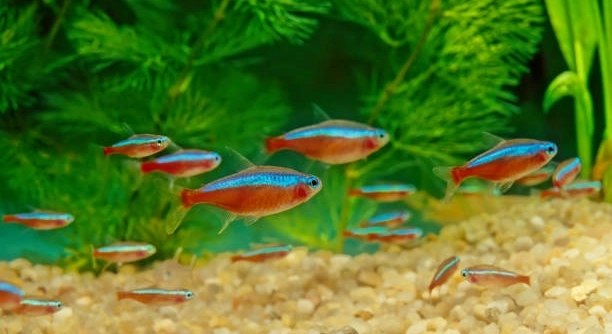
Tetras are popular aquarium fish known for their vibrant colors and peaceful nature. Many owners want to keep their tetras healthy and happy for as long as possible. However, some common habits can unknowingly reduce their lifespan.
Several small factors can shorten tetra lifespan, including poor water quality, overfeeding, inadequate tank size, improper temperature, lack of hiding spots, inconsistent lighting, and stressful tank mates. Addressing these issues is essential to maintain a healthy environment for tetras.
Learning about these little things will help you create a better home for your tetras and extend their time in your care. Understanding these factors supports healthier and longer lives for your fish companions.
Poor Water Quality
Water quality is one of the most important factors affecting tetra lifespan. Tetras are sensitive to ammonia, nitrites, and nitrates, which build up quickly in small or unfiltered tanks. Regular water changes and proper filtration keep these harmful substances low. pH levels and temperature also need to stay stable. Sudden changes stress tetras and make them prone to illness. Testing water weekly helps catch problems early. Without good water conditions, tetras can develop infections, weakened immune systems, and shortened lifespans. Even small tanks need frequent maintenance. It’s best to avoid overcrowding, as this worsens water quality and increases waste. Many tetra health issues stem from neglecting water care. Setting up a proper filtration system and sticking to a cleaning schedule is essential. It might feel like extra work at first, but it greatly benefits the fish over time. Clean water means healthier, longer-living tetras.
Poor water quality leads to stress and disease, reducing tetra lifespan significantly. Keeping water clean is vital.
Maintaining good water quality involves more than just filtering. It requires regular partial water changes, ideally 25% weekly, to remove toxins. Avoid tap water chemicals by using a water conditioner. Monitor temperature closely since tetras prefer 74–80°F. Sudden drops or spikes weaken them. A test kit for ammonia, nitrites, and nitrates is necessary. If levels are high, increase water changes and check filtration. Overfeeding can also pollute water quickly. Feed only what tetras consume in a few minutes. Keeping gravel clean prevents waste buildup. Tetras may hide or become inactive when stressed by poor water. Observing their behavior is a good indicator of tank health. Proper water maintenance is the foundation of a healthy aquarium.
Overfeeding
Overfeeding is a common mistake that harms tetras. Giving more food than they need pollutes the water and causes obesity. Excess food decays, producing toxins. It also leads to digestive issues in fish. Feeding small amounts once or twice daily is sufficient. Observe how much your tetras eat and adjust accordingly.
Overfeeding causes water quality problems and health issues in tetras. Moderation in feeding helps prevent these problems.
Providing the right amount of food supports a healthy digestive system and avoids water pollution. Tetras require only tiny amounts of food because of their size. Too much food can cause bloating and swim bladder problems. Use a small pinch or pellet sized for small fish. Remove uneaten food after feeding. Variety is good, but avoid sudden diet changes that upset their digestion. Quality flakes or micro-pellets designed for small tropical fish work well. Overfeeding may seem like care, but it often does more harm than good. Regular feeding schedules and portion control make a big difference in tetra health and longevity.
Inadequate Tank Size
Tetras need enough space to swim freely. A small tank limits their movement and increases stress. Overcrowding also raises waste levels quickly, harming water quality and health. A minimum of 10 gallons is recommended for a small tetra group.
A cramped environment causes stress and aggression among tetras. Limited space makes it harder to maintain stable water conditions. Tetras naturally swim in groups and require room to school properly. A larger tank reduces territorial disputes and lowers disease risk. It also allows for better placement of plants and hiding spots. When tanks are too small, tetras may show signs of lethargy or abnormal behavior. Choosing the right tank size from the start supports their well-being and lifespan.
Providing a spacious tank promotes healthier, more active tetras. It makes maintenance easier and encourages natural behavior, contributing to longer lives.
Improper Temperature
Tetras thrive in water temperatures between 74 and 80°F. Temperatures outside this range stress their systems and lower immunity. Fluctuations can cause illness or death if not controlled.
Maintaining a steady temperature is essential for tetra health. Sudden drops or spikes weaken immune responses and increase vulnerability to infections. Using a reliable heater and thermometer helps keep conditions stable. Avoid placing tanks near windows or heating vents where temperatures vary. Consistent warmth supports metabolism and normal activity. Cold water slows digestion and can lead to swim bladder problems. Warmth encourages active swimming and natural behaviors. Proper temperature control reduces stress, which directly impacts lifespan. Investing in temperature monitoring tools is a small effort that yields long-term health benefits for your tetras.
Lack of Hiding Spots
Tetras need places to hide to feel secure. Without enough cover, they become stressed and vulnerable to disease. Plants, rocks, or decorations create safe spaces.
Stress from exposure can weaken tetras’ immune systems. Providing hiding spots improves their comfort and reduces aggression in the tank.
Inconsistent Lighting
Lighting should mimic a natural day-night cycle. Sudden changes or too much light cause stress and disrupt tetra behavior. Consistent lighting helps maintain their internal rhythm and overall health.
Stressful Tank Mates
Aggressive or much larger fish can intimidate tetras. Stress from constant threats shortens their lifespan. Choosing peaceful companions is important for a harmonious tank environment.
How often should I change the water in my tetra tank?
Changing 20-25% of the water weekly is ideal for maintaining a healthy environment. This routine helps remove toxins like ammonia and nitrates that build up over time. It also keeps water parameters stable, reducing stress on your tetras. Larger water changes less often can cause sudden shifts in water chemistry, which tetras do not tolerate well. Using a water conditioner to remove chlorine and chloramine from tap water before adding it to the tank is important. Consistency in water changes improves overall fish health and lifespan.
What is the best food for tetras?
High-quality flakes or micro-pellets made for small tropical fish are the best base diet. These foods are balanced and easy for tetras to digest. Occasionally, you can supplement with frozen or live foods like brine shrimp or daphnia to add variety and nutrients. Avoid overfeeding by only giving small amounts your tetras can eat within two to three minutes. Overfeeding causes poor water quality and health problems. Feeding a balanced diet supports their immune system and vibrant colors.
How many tetras should I keep together?
Tetras are schooling fish and do best in groups of six or more. Smaller groups can lead to stress and odd behavior. Larger groups allow natural schooling, which helps reduce anxiety and aggression. Keep in mind tank size; a 10-gallon tank is suitable for about six tetras. More fish require a larger tank to maintain water quality and space. Proper group size supports their social needs and longevity.
Can I keep tetras with other fish?
Tetras generally do well with peaceful, similarly sized fish. Avoid aggressive or much larger species that may bully or eat them. Compatible tank mates include small rasboras, guppies, and corydoras catfish. Introducing too many fish at once can cause stress and water quality issues. Always research tank mates’ temperaments and care needs before combining. A peaceful community tank promotes a calm environment for tetras to thrive.
What temperature is best for tetras?
Tetras prefer water between 74°F and 80°F. Temperatures outside this range can cause stress or illness. Sudden temperature changes weaken their immune systems and shorten lifespan. Use a reliable heater and thermometer to keep the temperature steady. Avoid placing the tank near drafts, windows, or heat sources that cause fluctuations. Stable temperature supports healthy metabolism and behavior.
Why do tetras hide often?
Tetras may hide when stressed by poor water quality, aggressive tank mates, or lack of hiding spots. Hiding can also be normal behavior during rest or when new to the tank. Monitor water parameters and observe tank dynamics to identify stress causes. Adding plants, caves, or decorations gives tetras safe places to retreat. Reducing stress helps them feel secure and active.
How do I know if my tetras are sick?
Signs of sickness include lethargy, loss of appetite, faded colors, clamped fins, or abnormal swimming. White spots, red streaks, or visible injuries indicate infections or parasites. Early detection is key to treatment success. Test water quality first, as poor conditions often cause health problems. Quarantine new fish before adding them to the tank. Consult a vet or experienced hobbyist for proper diagnosis and medication.
Is it necessary to use a filter in a tetra tank?
Yes, a filter is essential for maintaining water quality. It removes waste, excess food, and harmful chemicals. Filters also help oxygenate the water, which is vital for fish health. Choose a filter suitable for the tank size and flow gentle enough not to stress tetras. Regular cleaning of the filter media prevents buildup and keeps the system efficient. A well-maintained filter is crucial for a healthy tetra habitat.
Can tetras live without a heater?
Tetras are tropical fish and need warm water to thrive. Without a heater, water temperature may drop too low, especially in cooler climates or air-conditioned rooms. Low temperatures slow metabolism and cause health problems. A reliable heater ensures stable warmth year-round. If room temperature consistently stays within their preferred range, a heater might not be necessary, but this is rare. Most owners find a heater essential for tetra care.
What causes tetras to die suddenly?
Sudden death often results from poor water conditions, temperature shock, or disease outbreaks. Stress weakens immunity, making tetras vulnerable to infections. Overfeeding and overcrowding increase waste and toxins quickly. Introducing sick fish without quarantine spreads illness. Regular monitoring, water testing, and quarantine protocols reduce sudden losses. Keeping a stable environment and proper care is the best prevention against unexpected deaths.
Taking good care of tetras requires attention to several small but important details. Each factor, from water quality to tank mates, plays a role in how long your fish will live. By keeping water clean and stable, feeding the right amount, and maintaining proper tank conditions, you help your tetras stay healthy and active. Small mistakes, like overfeeding or overcrowding, may seem harmless but can quickly harm your fish. Consistency in care makes a big difference over time.
Understanding the specific needs of tetras helps prevent common problems that shorten their lifespan. They need clean water free of harmful chemicals, a tank size that allows swimming, and a temperature within their comfort range. Adding hiding spots and choosing peaceful companions reduces stress. Stress is a major cause of illness in tetras, so creating a calm environment is essential. Observing your fish regularly allows you to spot early signs of trouble and fix issues before they worsen. Good care does not have to be complicated, but it does require commitment.
Ultimately, the goal is to create a healthy, stable home where tetras can thrive. Paying attention to the little things—like proper feeding, tank maintenance, and choosing compatible tank mates—builds a foundation for long, happy lives. Your tetras will show brighter colors and more natural behavior when their needs are met. Taking time to learn about their care needs will reward you with a more enjoyable aquarium experience and healthier fish. The effort put into daily care is reflected in how long your tetras live and how well they flourish.

Hello,
If you enjoy the content that we create, please consider saying a "Thank You!" by leaving a tip.
Every little bit helps us continue crafting quality advice that supports the health, happiness, and well-being of pets around the world, for pets of all shapes, sizes, and species.
We really appreciate the kindness and support that you show us!