
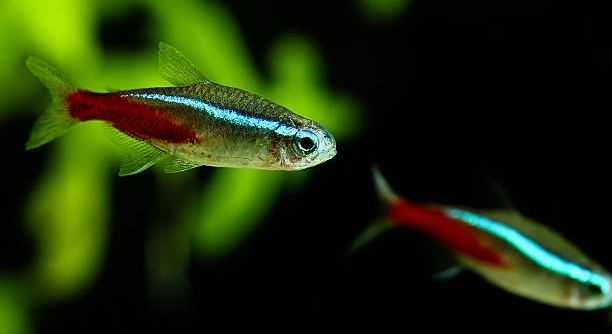
Are your tetras showing signs of missing scales, and you’re unsure what’s causing the problem or how to help them heal?
The most common reasons tetras lose scales include rough handling, aggressive tank mates, poor water conditions, infections, parasites, injuries from decorations, or stress. Identifying the root cause is essential for effective treatment and prevention.
Understanding these causes can help you create a safer, healthier environment that supports your tetras’ well-being and prevents future issues.
Rough Handling During Tank Maintenance
Handling fish during tank cleaning or transferring can sometimes cause scale loss. Nets with coarse mesh or sudden movements may scrape their delicate bodies. Tetras have soft, thin scales that don’t tolerate rough surfaces or excessive contact. Even well-intentioned actions like moving them to a temporary container can harm their skin. Avoid touching your fish directly when possible. Use a fine-mesh net and slow movements to keep things calm. If you’re using your hands, wet them first to reduce friction. Stress from frequent netting can also weaken the immune system, making them more prone to injury or disease.
Using smooth tools and gentle techniques can help protect your tetras from unnecessary damage during regular tank care.
Preventing contact injuries is one of the simplest ways to protect their scales and reduce unnecessary stress. Keeping interactions minimal and careful keeps them feeling secure in their tank environment.
Aggressive Tank Mates
Not all community fish get along peacefully, especially in close quarters.
Tetras are small, peaceful fish, and housing them with aggressive species can lead to chasing, biting, and scale loss. Fish like barbs, some cichlids, or even larger tetras can show dominant behavior, especially in limited spaces or overcrowded tanks. If you notice constant chasing or torn fins along with missing scales, aggression is likely the issue. Observe your tank for signs of bullying—one fish hiding constantly, another chasing. Rearranging the tank to break sightlines or adding more plants can help reduce aggressive behavior. However, in persistent cases, separation is the best option. Housing fish by temperament and size improves harmony. Adding dither fish or expanding the school of tetras can also help them feel safer. Always research compatibility before adding new fish. A peaceful tank setup protects not only scales but your tetras’ overall well-being.
Poor Water Conditions
Dirty or unstable water can cause stress and damage your tetras’ scales. Ammonia spikes, low oxygen, or sudden pH changes weaken their immune system and leave their skin vulnerable. Regular testing helps catch these problems early before they affect your fish.
Tetras are sensitive to shifts in water quality. If the tank is overcrowded, under-filtered, or cleaned irregularly, harmful substances build up. Ammonia and nitrite levels rising above zero are a clear warning sign. Uneaten food and waste can also spike levels quickly. Weekly water changes of about 25% and regular gravel vacuuming help maintain stable conditions. Using a good filter suited to your tank’s size is essential. Always dechlorinate new water before adding it. Test the water weekly using a liquid test kit, not strips, for accurate results. Stable parameters reduce stress and skin damage, helping your tetras keep their bright colors and healthy scales.
Stress from poor water conditions often leads to secondary issues. Parasites and infections thrive in dirty environments, attacking already-weakened fish. Even minor injuries can worsen when bacteria flourish in the tank. If your tetras are missing scales and water tests show problems, start by improving water quality. It’s one of the fastest ways to support recovery and reduce future health risks.
Parasitic Infections
Parasites attach to the body or gills and irritate the skin, causing tetras to rub against objects and lose scales. It usually starts with odd behavior like flashing or hiding, followed by visible damage to their skin.
Common parasites like Ich or flukes often come from new fish or plants introduced without quarantine. Once in the tank, they spread quickly, especially in stressed or overcrowded conditions. Look for signs like tiny white spots, heavy breathing, or excessive scratching. If you notice these, isolate affected fish and begin treatment with medications suited to the parasite. Maintain good water quality during treatment to avoid added stress. Quarantine all new additions for at least two weeks before placing them in the main tank. Keeping a stable, clean environment helps prevent outbreaks. Acting quickly when signs appear can stop scale loss and protect the rest of your tank.
Injuries From Decorations
Sharp or rough decorations can scrape off scales when tetras swim too close. Driftwood, jagged rocks, or plastic plants with hard edges are common causes of physical injuries. Soft silk plants and smooth ornaments are safer options for delicate-bodied fish like tetras.
Always check new decorations for sharp points before placing them in the tank. Rinse them thoroughly to remove any dust or residue. If your tetras have missing scales and no signs of illness or aggression, inspect the tank setup. Rearranging or replacing rough decor can prevent more injuries in the future.
Bacterial or Fungal Infections
Open wounds or stressed immune systems make tetras more likely to develop bacterial or fungal infections. These can cause scale loss, skin discoloration, and sluggish behavior. Bacterial infections often appear as red patches or ulcers, while fungal growth may look like white fuzz. Treat the tank promptly with antibiotics or antifungal medications, depending on the condition. Always isolate sick fish and monitor the entire tank, as infections spread quickly. Clean water and reduced stress help prevent recurrence. Avoid overmedicating or mixing treatments without guidance, as this can harm your fish more than help. Act fast when symptoms appear for the best chance of recovery.
Stress from Environmental Changes
Sudden changes in lighting, temperature, or tank layout can cause stress and scale shedding. Keep conditions stable and make adjustments gradually to avoid overwhelming your tetras. A calm, consistent environment supports both their physical health and emotional balance.
FAQ
Can scale loss heal on its own?
Yes, in many cases, scale loss can heal without treatment if the cause is identified and removed quickly. Tetras have the ability to regrow scales as long as the underlying skin isn’t severely damaged. Clean water, low stress, and proper nutrition help speed up recovery. Avoid overcrowding or placing them near aggressive fish during healing. If infections or parasites are present, healing won’t happen until those are treated. Once the area looks smooth again and the fish is behaving normally, it usually means recovery is complete. Keep monitoring the tank to prevent it from happening again.
How long does it take for a tetra to regrow lost scales?
Scale regrowth can take anywhere from one to several weeks depending on the severity of the damage and the fish’s overall health. Minor scrapes usually improve within a week or two, while larger patches can take longer. Clean water and reduced stress make the healing process faster and smoother. If the area stays red, swollen, or gets worse, check for infection or fungus. Healing may be delayed in tanks with unstable parameters or if the fish is still being harassed by tank mates. Consistency is key to helping your tetra recover fully.
Do tetras shed their scales naturally?
No, tetras do not naturally shed scales. If you see loose or missing scales, something is wrong. It could be caused by physical injury, illness, or stress. Unlike skin shedding in reptiles, fish scales are lost due to damage. Pay close attention to behavior and tank conditions to figure out the cause. Natural aging may make scales appear duller, but they should not fall off without an underlying reason. If it keeps happening, investigate possible issues with tank mates, decor, or water parameters.
Should I quarantine a tetra that’s losing scales?
Yes, it’s a good idea to move an injured or sick tetra into a separate tank. Quarantine helps reduce stress and allows you to monitor the fish closely without interference from others. It also prevents spreading infection or parasites. Keep the quarantine tank clean and quiet, with stable parameters. Use a sponge filter to avoid strong currents, and check on the fish several times a day. If medications are needed, it’s easier and safer to treat the fish in isolation. Once the fish shows clear improvement, you can slowly reintroduce it to the main tank.
Can poor diet cause scale loss in tetras?
An imbalanced diet can weaken the immune system and make scales more prone to damage, but it’s rarely the sole cause of scale loss. Tetras need a varied diet with protein, vitamins, and plant-based nutrients. If they’re only eating low-quality flakes, they may lack the nutrients needed for skin and scale health. Include high-quality pellets, frozen foods like daphnia or brine shrimp, and some plant matter for balance. Good nutrition supports healing and strengthens their resistance to disease. Feeding them a well-rounded diet helps prevent many common health problems, including issues with their scales.
How can I tell if it’s a parasite or just a wound?
If the fish is scratching against objects (called flashing), breathing heavily, or showing small white spots, it’s likely parasites. A clean injury without odd behavior usually points to physical damage. Wounds often have red or raw patches, while parasites can cause clamped fins, constant hiding, or skin mucus buildup. If unsure, isolate the fish and treat with broad-spectrum parasite medication. Observe the tank to see if other fish show signs. Acting quickly prevents the problem from spreading. If you’re still uncertain, test water quality and consider consulting an aquatic vet or a local fish store specialist.
What’s the best way to prevent scale loss in the future?
Keep water parameters stable, avoid overcrowding, and choose peaceful tank mates. Inspect decorations for sharp edges before placing them in the tank. Quarantine all new fish and plants to prevent disease introduction. Feed a varied, high-quality diet to support skin health. Regular maintenance like weekly water changes, gravel cleaning, and filter care helps keep stress low. If scale loss was caused by aggression, consider rehoming problem fish or adding more plants for hiding spots. Prevention comes down to keeping the environment calm, clean, and consistent. Small efforts can make a big difference in long-term tetra health.
Final Thoughts
Scale loss in tetras can be worrying, but it’s often a sign that something in their environment needs attention. From rough decorations and aggressive tank mates to water quality and stress, many small factors can lead to bigger issues. Taking time to observe your fish and their behavior helps you notice changes early. Once you understand what’s behind the problem, it becomes much easier to fix and prevent. Watching for flashing, hiding, or unusual swimming can help you respond quickly before the condition gets worse.
Keeping your tank clean and stable is one of the most important steps you can take. Weekly water changes, regular testing, and careful feeding habits all work together to protect your tetras’ health. A good filter that fits your tank size helps maintain the right balance. Avoid sudden changes to lighting, layout, or temperature, as these can increase stress. When you add new fish, always quarantine them first to reduce the risk of spreading disease. A calm and consistent environment gives your tetras a better chance at staying healthy and recovering faster if something goes wrong.
Healthy tetras are active, colorful, and peaceful. If they start losing scales, take it as a sign to check your setup. Look at everything—tank mates, decor, water quality, feeding habits, and signs of illness. Even one small change can make a big difference. It’s not just about fixing the damage but preventing it from happening again. Whether you’re an experienced aquarist or just starting out, learning how to support your fish through challenges is part of responsible care. The more you know, the more confident you’ll feel in keeping your tetras safe and thriving in their tank.

Hello,
If you enjoy the content that we create, please consider saying a "Thank You!" by leaving a tip.
Every little bit helps us continue crafting quality advice that supports the health, happiness, and well-being of pets around the world, for pets of all shapes, sizes, and species.
We really appreciate the kindness and support that you show us!